विशेष लेख
Global Leaders in Confectionery: Which Nation Produces the Best Chocolate?
The question of which country produces the world's finest chocolate often leads to a spirited debate. Some enthusiasts swear by the creamy bars of Switzerland, while others insist on the intricate pralines of Belgium. Connoisseurs might even point toward Ecuador or Ghana, where the essential cocoa beans are grown. Ultimately, chocolate is more than just a sweet; it represents a global culture, a massive international industry, and a source of universal comfort.
Evelyn Grace Richardson
लेखक
लेख परिचय
नीचे पूरा लेख पढ़ें।
अनुभाग
समाचार
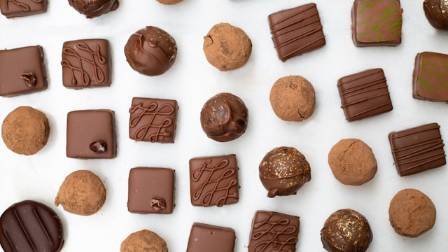
The question of which country produces the world's finest chocolate often leads to a spirited debate. Some enthusiasts swear by the creamy bars of Switzerland, while others insist on the intricate pralines of Belgium. Connoisseurs might even point toward Ecuador or Ghana, where the essential cocoa beans are grown. Ultimately, chocolate is more than just a sweet; it represents a global culture, a massive international industry, and a source of universal comfort.
Whether you are a professional retailer, a dedicated foodie, or a casual consumer, understanding the landscape of the chocolate world reveals why certain nations have become legends. By exploring the history, manufacturing techniques, and local traditions of these countries, we can better understand who truly leads the global chocolate market.
The Heritage of Cocoa: A Brief Historical Overview
The story of chocolate began thousands of years ago in Mesoamerica. Ancient civilizations like the Mayans and Aztecs revered cocoa beans, using them in sacred rituals and even as a form of currency. To them, cacao was a divine gift, primarily consumed by royalty and warriors as a bitter, spiced drink valued for its restorative properties.
In the 16th century, Spanish explorers introduced the bean to Europe, where it quickly became a luxury for the elite. Over time, European artisans innovated, adding sugar and vanilla to transform the bitter brew into a creamy delicacy. The Industrial Revolution eventually made chocolate accessible to the general public. Notable breakthroughs, such as the invention of milk chocolate by Daniel Peter in 1875 and the "conching" process developed by Rodolphe Lindt, allowed Europe—particularly Switzerland—to become the global manufacturing center we recognize today.
Top Nations Renowned for Their Chocolate
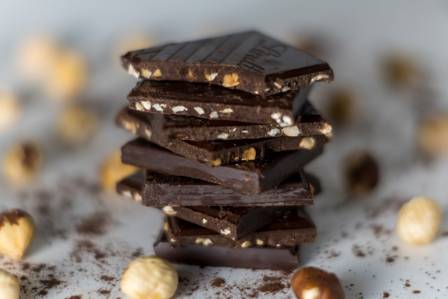
Several countries have built formidable reputations for their chocolate through centuries of mastery and tradition. Each offers a distinct style and flavor profile.
Switzerland – The Leader in Premium Milk Chocolate
Switzerland is often the first name mentioned in any discussion of fine chocolate. Home to giants like Lindt, Toblerone, and Sprüngli, the Swiss are credited with inventing modern milk chocolate. They perfected the conching technique, which creates the silky, melt-in-the-mouth texture that has become a global benchmark. Chocolate is so deeply ingrained in Swiss culture that the nation consistently ranks among the highest in per capita consumption.
Belgium – The Home of Artisanal Craftsmanship
In cities like Brussels and Bruges, chocolate shops are a staple of nearly every street. Belgium is famous for its "couverture" chocolate and for inventing the praline and the truffle. The country maintains strict laws regarding the "Belgian Chocolate" label, ensuring that the final product adheres to high standards of traditional craftsmanship. This commitment to quality is evident in both massive global brands and small, family-owned boutiques.
France – Elegance and Luxury in Dark Chocolate
French chocolate is often treated with the same reverence as fine wine or haute couture. French chocolatiers focus on sophisticated, high-cocoa content bars and daring flavor combinations, such as lavender, sea salt, or exotic fruits. Luxury houses like La Maison du Chocolat view chocolate as an art form, emphasizing balance and aesthetic presentation.
Ecuador – Pioneers of the Bean-to-Bar Movement
Ecuador is unique because it is both a top-tier grower and a sophisticated producer. It is home to the Arriba Nacional bean, famous for its floral and fruity notes. Recently, Ecuador has led the "bean-to-bar" movement, where local companies manage the entire process from farming to the finished bar. This ensure high ethical standards and a final product that captures the true essence of the local terroir.
Italy – The Intersection of Tradition and Innovation
Italy has a rich chocolate history, particularly in Turin, the heart of Italian confectionery. Italy is famous for "gianduja," a rich blend of chocolate and hazelnuts. This innovation led to world-renowned treats like the Ferrero Rocher and Baci Perugina. In Italy, chocolate is a frequent companion to coffee and a regular feature of the daily social ritual.
Ghana and Mexico – Roots and Rich Flavors
Ghana is a powerhouse of cocoa production, providing the deep, earthy beans that form the backbone of many dark chocolates worldwide. Meanwhile, Mexico keeps the original spirit of chocolate alive. Mexican chocolate is often stone-ground, giving it a unique grainy texture, and is frequently seasoned with cinnamon and chili, reflecting recipes used by the Mayans and Aztecs.
The Intricate Process of Chocolate Production
The journey from a tropical tree to a wrapped bar is complex and labor-intensive. It involves several critical stages:
-
Harvesting and Fermentation: Farmers in the "Cocoa Belt" near the equator harvest pods and ferment the beans for several days to develop flavor and reduce bitterness.
-
Drying and Roasting: Once dried in the sun, beans are shipped to factories to be roasted. The roasting profile determines the primary flavor notes of the chocolate.
-
Grinding and Mixing: The roasted nibs are ground into a liquid cocoa mass, which is then blended with sugar, cocoa butter, and often milk.
-
Conching and Tempering: Continuous mixing (conching) smoothes the texture, while controlled cooling (tempering) gives the chocolate its glossy look and the distinct "snap" when broken.
Selecting the Highest Quality Chocolate
To find the best chocolate, consumers should look beyond the packaging and focus on the technical details:
-
Check the Ingredients: High-quality chocolate should feature minimal additives. Look for cocoa mass and cocoa butter at the top of the list rather than vegetable fats or excessive sugar.
-
Verify Ethical Sourcing: Look for "Fair Trade" or "Direct Trade" labels to ensure that farmers are compensated fairly and that the environment is protected.
-
Analyze Texture: Premium chocolate should feel smooth and non-waxy, melting at body temperature.
-
Explore Single-Origin: Similar to wine, chocolate made from beans from a single location (like Venezuela or Ecuador) offers a more distinct and complex flavor profile.
Final Perspective on the Global Market
Whether you prefer the luxury of a Swiss milk chocolate bar, the bold earthiness of a Ghanaian dark chocolate, or the spicy history of a Mexican cocoa drink, the world of chocolate offers something for everyone. For businesses and consumers alike, the industry continues to evolve, balancing centuries-old traditions with modern demands for sustainability and ethical production. Chocolate remains the world’s most beloved treat, connecting distant cultures through a single, shared flavor.
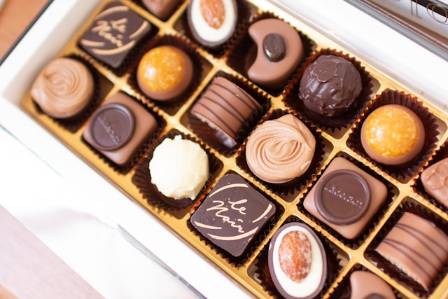
यह भी पढ़ें
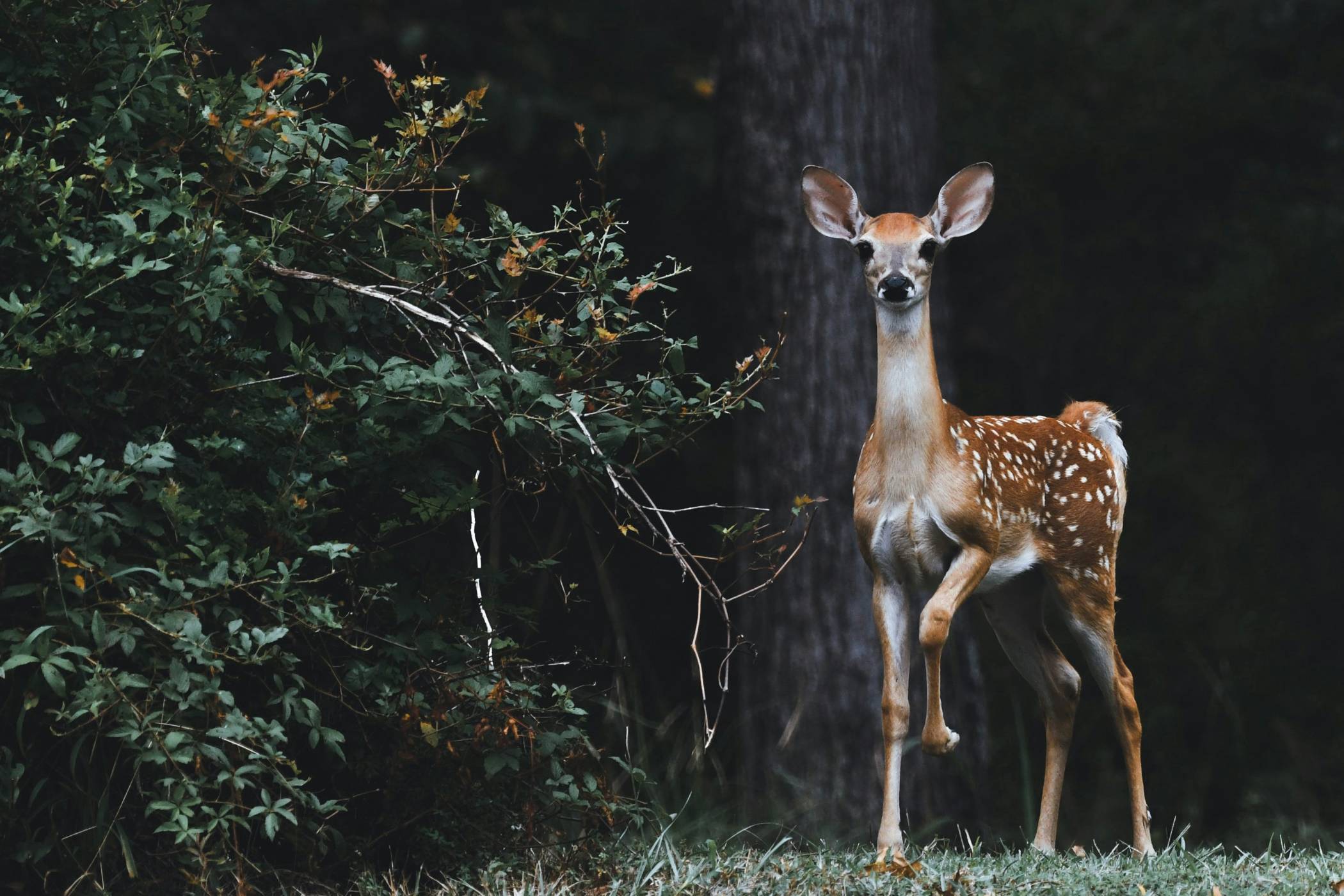
9 सबसे सुंदर हिरण प्रजातियाँ
विक्टोरिया
खरगोशों के बारे में तथ्य
निधि

Top Supercars to Purchase in 2026
Ethan

जॉर्ज वॉशिंगटन ब्रिज के बारे में 12 लंबे समय तक चलने वाले फैक्ट्स
शिवम्

5 शांत पहाड़ी झीलें जिन्हें अधिकांश पर्यटकों ने नहीं ढूंढा है
शालिनी
The Secret to Tiramisu That Tastes Like Italy
Nora Blake