← मुखपृष्ठ4 मिनट का पाठ
विशेष लेख
Fried Foods and Mental Health: Uncovering the Hidden Link from Hangzhou Research
French fries, fried chicken, and other crispy fried treats are beloved comfort foods worldwide, offering instant satisfaction and nostalgia. However, a groundbreaking study led by a Hangzhou-based research team reveals a troubling connection: frequent consumption of fried foods may cast a shadow on mental health, linking these indulgences to increased risks of anxiety and depression. Published in the prestigious journal PNAS, the findings shed new light on the interplay between diet and mental well-being, challenging the perception of fried foods as mere physical health hazards and opening a new chapter in nutritional psychology.
M
Mia
लेखक
लेख परिचय
नीचे पूरा लेख पढ़ें।
अनुभाग
समाचार
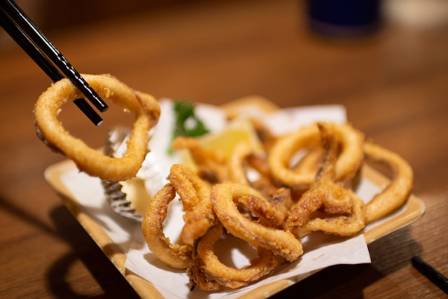
Introduction: Comfort Food with a Hidden Cost
French fries, fried chicken, and other crispy fried treats are beloved comfort foods worldwide, offering instant satisfaction and nostalgia. However, a groundbreaking study led by a Hangzhou-based research team reveals a troubling connection: frequent consumption of fried foods may cast a shadow on mental health, linking these indulgences to increased risks of anxiety and depression. Published in the prestigious journal PNAS, the findings shed new light on the interplay between diet and mental well-being, challenging the perception of fried foods as mere physical health hazards and opening a new chapter in nutritional psychology.
Core Research Findings: Anxiety and Depression Risks Elevated
After analyzing data from 140,728 participants over an 11.3-year period, the researchers made a striking discovery: individuals who regularly ate fried foods faced a 12% higher risk of anxiety and a 7% higher risk of depression compared to those who avoided fried foods altogether. The study further pinpointed fried potatoes—such as French fries—as particularly impactful, with a 2% higher risk of depression than fried white meat. Notably, the team excluded participants diagnosed with depression within the first two years of the study to minimize reverse causation bias, strengthening the link between fried food consumption and subsequent mental health issues. These results, the researchers emphasize, highlight the significance of reducing fried food intake not just for physical health but for mental wellness as well.
Study Design and Participant Characteristics
The large-scale observational study, conducted over more than a decade, aimed to eliminate confounding variables by closely tracking participants’ dietary habits and mental health outcomes. After excluding early cases of depression, the team documented 8,294 incidences of anxiety and 12,735 cases of depression among fried food consumers. A notable demographic trend emerged: those who consumed more than one serving of fried food regularly were predominantly younger men, suggesting that certain groups may be more vulnerable to the mental health impacts of fried diets. The study also referenced prior research confirming that unhealthy eating and poor nutrition can dampen mood and exacerbate existing mental health conditions, laying the groundwork for its own findings.
Potential Mechanism: Acrylamide—The Culprit in Frying?
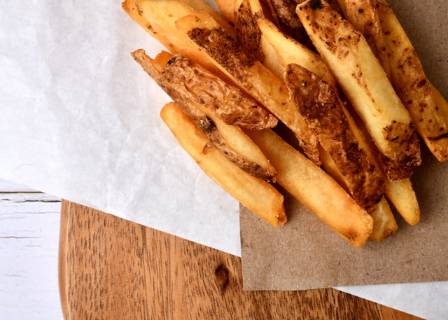
The researchers propose that acrylamide, a harmful chemical formed during high-temperature frying (especially in starchy foods like potatoes), may be responsible for the increased mental health risks. To support this hypothesis, they cited a separate study where zebrafish exposed to acrylamide long-term exhibited clear signs of anxiety: the fish preferred dwelling in the dark zones of their tanks, showed reduced exploratory behavior, and failed to socialize with other zebrafish—despite being naturally schooling creatures. This animal model provides preliminary evidence that acrylamide could disrupt neurological function related to mood and social behavior, offering a plausible biological explanation for the human study’s results.
Expert Perspectives: Nuance and Controversy
While the study’s findings are compelling, nutrition experts urge caution, noting that the results are preliminary and do not prove causation. A key point of debate is reverse causation: it remains unclear whether fried foods directly trigger mental health issues, or if people experiencing anxiety or depression are more likely to crave fried comfort foods. Harvard T.H. Chan School of Public Health’s Professor Willett adds context, explaining that the health effects of fried food depend heavily on the 食材 (ingredients) and type of fat used. He notes that potatoes themselves can cause blood sugar spikes and hormonal responses that may affect mood, though frying fats can partially mitigate these surges. Willett also clarifies that acrylamide is not exclusive to frying—it forms in coffee during roasting and in toast when carbohydrates and proteins are heated together—suggesting a more complex relationship than initially assumed.
Global Mental Health Context: A Growing Crisis
The study’s relevance is amplified by the global rise in mental health disorders. The researchers highlight that 2020 saw a 27.6% increase in depression cases and a 25.6% rise in anxiety worldwide, likely exacerbated by the COVID-19 pandemic. The World Health Organization estimates that over 5% of adults globally suffer from depression, underscoring the urgent need to identify modifiable risk factors like diet. In this context, the Hangzhou study offers a valuable clue for addressing the mental health crisis, suggesting that dietary adjustments could play a role in prevention and mitigation.
Practical Recommendations: Balanced Choices, Not Panic

Despite the concerning findings, the study’s lead author, Zhejiang University researcher Yu Zhang, advises against panic. He emphasizes that maintaining a healthy lifestyle—including reducing (but not necessarily eliminating) fried food consumption—can benefit both mental and overall health. The key takeaway is moderation: fried foods need not be completely banned, but limiting intake may help reduce potential risks. For those craving crispy flavors, healthier alternatives like air-frying or baking can minimize acrylamide formation while satisfying cravings, offering a middle ground between indulgence and wellness.
यह भी पढ़ें

en
Morning Glory Flower Meaning and Secret Symbolism
Quinn Miller

en
Fluffy Western Omelette
Casey Quinn

hi
क्या माउंट एवरेस्ट पर चढ़ना आपको खुश करेगा? या क्या "शोर" आपके रास्ते में आएगा?
सरिता

en
Top 10 Beaches in the World for 2025
Charles

en
6 Ways to Engage in Playtime Activities with Your Baby
Isla
en
THE FULL GUIDE TO BISCUIT VARIETIES
Cici