विशेष लेख
Why Slugs and Snails Are Secretly the Ultimate Hidden Heroes of Your Garden
Many people think about helpful garden creatures. They think about beautiful butterflies and busy bees. They picture bright ladybirds and hard working earthworms. These animals look wonderful. They possess great reputations. Their usefulness seems incredibly obvious to everyone. Most gardeners actively welcome them. Yet some other creatures deserve our appreciation too. These creatures are far more slimy. They have sensitive tentacles. People usually label them as terrible pests. Slugs and snails are rarely the popular choice. Many people might shake their heads in disagreement. However these underdogs are absolutely fascinating. They are vastly misunderstood. These small animals play a massive role in our global ecosystems.
Chapman Samuel
लेखक
लेख परिचय
नीचे पूरा लेख पढ़ें।
अनुभाग
समाचार
Many people think about helpful garden creatures. They think about beautiful butterflies and busy bees. They picture bright ladybirds and hard working earthworms. These animals look wonderful. They possess great reputations. Their usefulness seems incredibly obvious to everyone. Most gardeners actively welcome them. Yet some other creatures deserve our appreciation too. These creatures are far more slimy. They have sensitive tentacles. People usually label them as terrible pests. Slugs and snails are rarely the popular choice. Many people might shake their heads in disagreement. However these underdogs are absolutely fascinating. They are vastly misunderstood. These small animals play a massive role in our global ecosystems.
The Mystery of the Shell Less Garden Crawlers
People often define a slug as a snail without a home. This description is only partly accurate. Slugs and snails are close genetic relatives. They behave more like distant cousins than identical twins. Scientists believe slugs evolved directly from snails over millions of years. This evolutionary journey shrank the protective shell gradually over many generations. Eventually the shell vanished entirely or moved inside the body. The creatures adapted to survive without heavy outer armor. Experts recognize around forty distinct slug species within the United Kingdom. Most of these species are completely native to the region. Surprisingly three of these species are known as shelled slugs. These unique creatures still carry a tiny external shell. This vestigial structure sits right at the tip of their tail. It offers a fascinating glimpse into their ancient evolutionary past.
Snails and the Dynamic Secrets of Their Built In Houses
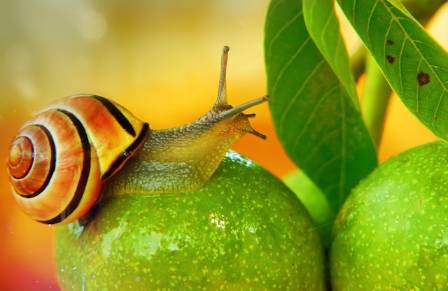
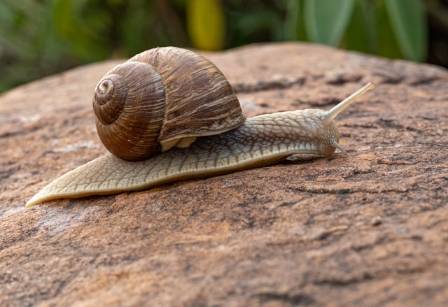
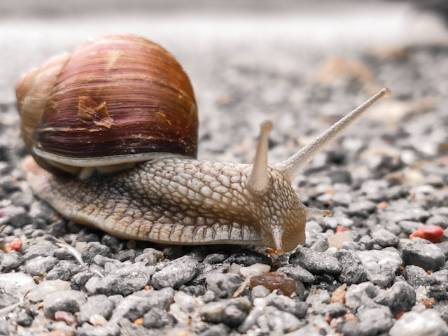
Snails are terrestrial gastropods that emerge from their eggs with a shell. This protective home grows continuously alongside the animal. It hardens over time because the snail consumes large amounts of calcium. The durable structure protects vital internal organs. It shields their single lung and their liver. It also guards their kidney and their beating heart. A snail can never survive if it loses its shell. It will quickly perish instead of transforming into a slug. Shell sizes vary dramatically across different species. True snails can pull their entire bodies deep inside the shell for safety. Other varieties possess much less practical armor. These animals are known as semi slugs. Their homes are simply too small for total retraction. Sometimes you cannot even see the shell at first glance. The fleshy mantle layer completely covers the structure. This effectively creates an internal shield. Around one hundred and twenty unique snail species inhabit the United Kingdom.
Shifting Our Focus From Plant Damage to Ecological Good
Both creatures can certainly damage delicate garden plants. They frequently munch on valuable agricultural crops. No one can deny this frustrating reality. However only a tiny percentage of the species cause actual trouble. The vast majority are simply living their quiet daily lives. They naturally take advantage of the wonderful plant buffets created by human gardeners. People can easily avoid this heartache with a little bit of forward planning. Creative landscaping helps keep vulnerable plants safe. This allows these slimy characters to thrive without causing destruction. They can actively help maintain a healthy green environment. Most nature lovers adore seeing hedgehogs and wild birds in their yards. They welcome colorful frogs with open arms. These popular visitors provide the perfect starting point to understand the true value of gastropods.
The Vital Role of Gastropods as a Primary Food Source
Slugs and snails serve as a vital source of daily nutrition for many animals. Hedgehogs are classic omnivores that consume a massive variety of items. They eat fallen forest fruits and wild berries. They also feast on avian eggs and animal carcasses. However their primary diet consists of tiny invertebrates. Scientific studies of wild hedgehog stomachs reveal something important. Slugs and snails represent some of the most critical components of their daily food intake. Many favorite garden birds share this exact preference. The beautiful song thrush targets these slow moving creatures constantly. They are incredibly easy to catch in the open. They provide an excellent source of pure energy and nutrition. Many people do not realize that wild frogs also hunt them. Slugs actually make up a massive percentage of a typical frogs diet. A wide range of other invertebrates rely on them for food as well. Aggressive ground beetles hunt them through the grass. The famous devils coach horse beetle devours them regularly. Even predatory centipedes view them as a delicious meal.
Nature Ultimate Nighttime Clean Up Crews and Nutrient Recyclers
These creatures act as the ultimate sanitation workers of the natural world. They slither around silently under the complete cover of darkness. They feed heavily on messy garden debris and wild fungi. They consume rotting vegetation and clear away decaying plant matters. Experts have even observed them eating animal feces and old carcasses. This makes them key players in the natural decomposition process. They constantly recycle essential nutrients back into the earth. Their daily burrowing habits stir up the soil. Their feces and decaying bodies enrich the ground. Even their old discarded shells provide a massive boost to the earth. These remnants form a vital source of raw calcium for other creatures. This is especially helpful in habitats that lack natural minerals. Their unique diet also aids in the widespread dispersal of fungal spores across the forest.
Slow Motion Pollinators and Clever Plant Propagators
Slugs and snails actually operate as some of the slowest pollinators on Earth. They cross pollinate wild flowers in a very similar way to bees and butterflies. Sticky grains of pollen attach to their slimy bodies as they move across a blossom. This pollen drops off naturally when they visit a neighboring flower. This accidental pollination happens less frequently than insect pollination. However it still plays a real role in plant reproduction. They also aid in the lifecycle of various fern species. They ingest tiny fern spores while feeding. These spores travel safely through their digestive tracts. The animals eventually deposit the spores inside a highly nutritious packet of waste. This gives the new plant the perfect start for future growth.
Providing Recycled Housing and Nurseries for Other Insects
Empty snail shells are remarkable natural structures. They are surprisingly resistant to normal decay. They can last for an incredibly long time on the ground. Various other insect species utilize these abandoned homes for shelter. The gold fringed mason bee provides a wonderful example of this behavior. This solitary insect searches for empty snail shells on the ground. The female lays her delicate eggs straight inside the secure structure. She then seals the opening tightly to protect her offspring. The young insects hatch and spend the entire winter safely tucked inside the shell. They finally emerge the following spring as fully formed adults. The next time you spot a slug or a snail try to change your perspective. Avoid thinking of them as simple garden pests that must be destroyed. Appreciate the amazing benefits they bring to our environment. These magnificent molluscs make a silent and steady contribution to our living world.