विशेष लेख
Creating Realistic Textures in Oil
Oil painting is a classic medium that has inspired artists and audiences for generations. One of the most rewarding—and challenging—aspects of oil painting is capturing lifelike textures.
Noah Reed
लेखक
लेख परिचय
नीचे पूरा लेख पढ़ें।
अनुभाग
समाचार
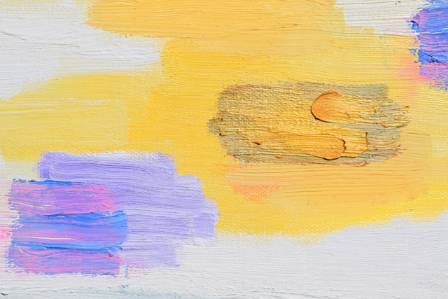
Oil painting is a classic medium that has inspired artists and audiences for generations. One of the most rewarding—and challenging—aspects of oil painting is capturing lifelike textures.
From the rugged surface of tree bark to the softness of a flower petal or the subtle variations of human skin, mastering texture can elevate your work and make it truly believable. In this guide, we’ll explore practical techniques for producing realistic textures in oil, drawing on expert advice and art resources.
Why Texture Matters in Oil Painting
Texture adds depth, dimension, and realism to a painting. It helps the viewer sense the tactile qualities of a subject, making the artwork more immersive. A rough stone wall or a smooth glass surface can evoke feeling and presence.
Texture can be physical—the actual paint surface—or visual, where the eye perceives texture without the paint being raised. Many oil painters combine both approaches for lifelike effects.
Careful observation is key. Notice how light interacts with different surfaces and how textures shift under varying conditions. Resources like Artists Network provide excellent guidance on analyzing and replicating textures. Understanding your subject is the first step toward translating it convincingly onto canvas.
Choosing the Right Materials
The tools you use are essential for achieving realistic textures. High-quality paints, brushes, and mediums can make a big difference. Thick paint is ideal for impasto and raised textures, while thinner paint is perfect for smooth blending. Brands such as Winsor & Newton and Gamblin offer paints and mediums suited for a wide range of techniques.
Brushes also matter: stiff bristles are great for rough textures, while soft sable brushes work well for delicate details. Palette knives can add sculptural, three-dimensional effects. For advice on selecting brushes and tools, see Jackson’s Art guide.
Layering and Glazing
Layering is fundamental to oil painting. Start with an underpainting—a monochromatic base that establishes composition and tonal values. Once dry, build subsequent layers to refine texture and detail. The fat over lean method ensures proper adhesion and reduces the risk of cracking over time.
Glazing involves applying thin, transparent layers over a dry base to create luminosity and depth. For instance, a burnt sienna glaze over a dry white layer can replicate the warmth of skin. Masters like Rembrandt and Vermeer perfected glazing, and their works remain instructive for modern artists.
Impasto: Creating Physical Texture
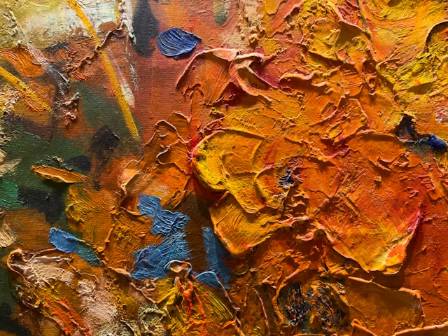
Impasto uses thick paint to produce raised textures that physically stand out from the canvas. This is effective for depicting rough surfaces such as bark, rocks, or fabric folds. Van Gogh famously used impasto to convey movement and energy.
Apply paint with a palette knife or stiff brush in bold strokes. You can also mix paint with a thickening medium like Liquin Impasto for enhanced texture. For step-by-step impasto guidance, check Artists & Illustrators.
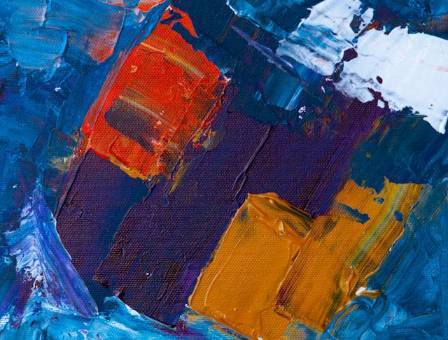
Dry Brush Technique
The dry brush method uses a brush with minimal paint to create fine textures. It works well for fur, hair, or delicate veins in leaves. Load a small amount of paint, remove excess on a paper towel, then lightly drag the brush across the canvas so the texture of the surface shows through.
This technique requires precision and patience, but results are striking. Draw Paint Academy offers detailed tutorials for mastering dry brush.
Sgraffito: Scratching for Texture
Sgraffito involves scratching through a layer of paint to reveal underlying layers. Ideal for intricate patterns, fine lines, or textures like wood grain or grass, it adds dynamic tactile detail.
Apply a layer of paint and allow it to dry slightly. Then scratch using a pointed tool—palette knife, toothpick, or the back of a brush. Combine sgraffito with other methods for more complex effects. Art is Fun provides helpful examples.
Using Mediums to Enhance Texture
Mediums alter paint consistency, drying time, and texture. Linseed oil smooths paint, beeswax adds thickness, and cold wax can create a matte, sculptural finish. Fast-drying mediums like Galkyd improve flow and transparency. Experimenting with different mediums expands your texture options. For a comprehensive guide, see The Virtual Instructor.
Blending and Softening Edges
Texture doesn’t always mean roughness—blending is equally important. Softening edges helps create depth and makes textures appear natural. Use a soft brush or blending tool to smooth transitions.
For example, subtle blending is crucial when painting skin to achieve lifelike gradations. Creative Bloq offers resources for refining blending techniques.
Observing and Copying Real-Life Textures
Studying real surfaces is one of the best ways to improve texture skills. Observe how light hits smooth or rough objects and how shadows define contours. Take reference photos or make sketches to guide your painting.
Pinterest and Unsplash provide high-quality reference images, and platforms like Skillshare offer courses to strengthen observational drawing and painting skills.
Experimenting with Unconventional Tools
Don’t limit yourself to brushes and knives. Sponges, combs, fingers, or textured fabrics like burlap or lace can create unique patterns and surfaces. Experimenting with alternative tools often leads to exciting, unexpected textures. Artists Network shares creative ideas for nontraditional tools.
Patience and Practice
Mastering realistic texture takes time and persistence. Don’t be discouraged if early attempts fall short. Keep experimenting and learning. Over time, you’ll understand how to manipulate paint to achieve the textures you envision. Online communities like WetCanvas and YouTube tutorials offer ongoing inspiration and support.
Conclusion
Creating lifelike textures in oil painting combines skill, creativity, and a keen observation of the world around you. By understanding texture, selecting proper materials, and exploring various techniques, you can bring your paintings to life. Practice, experiment, and remain curious—your textured artworks will continue to grow in realism and impact.
यह भी पढ़ें
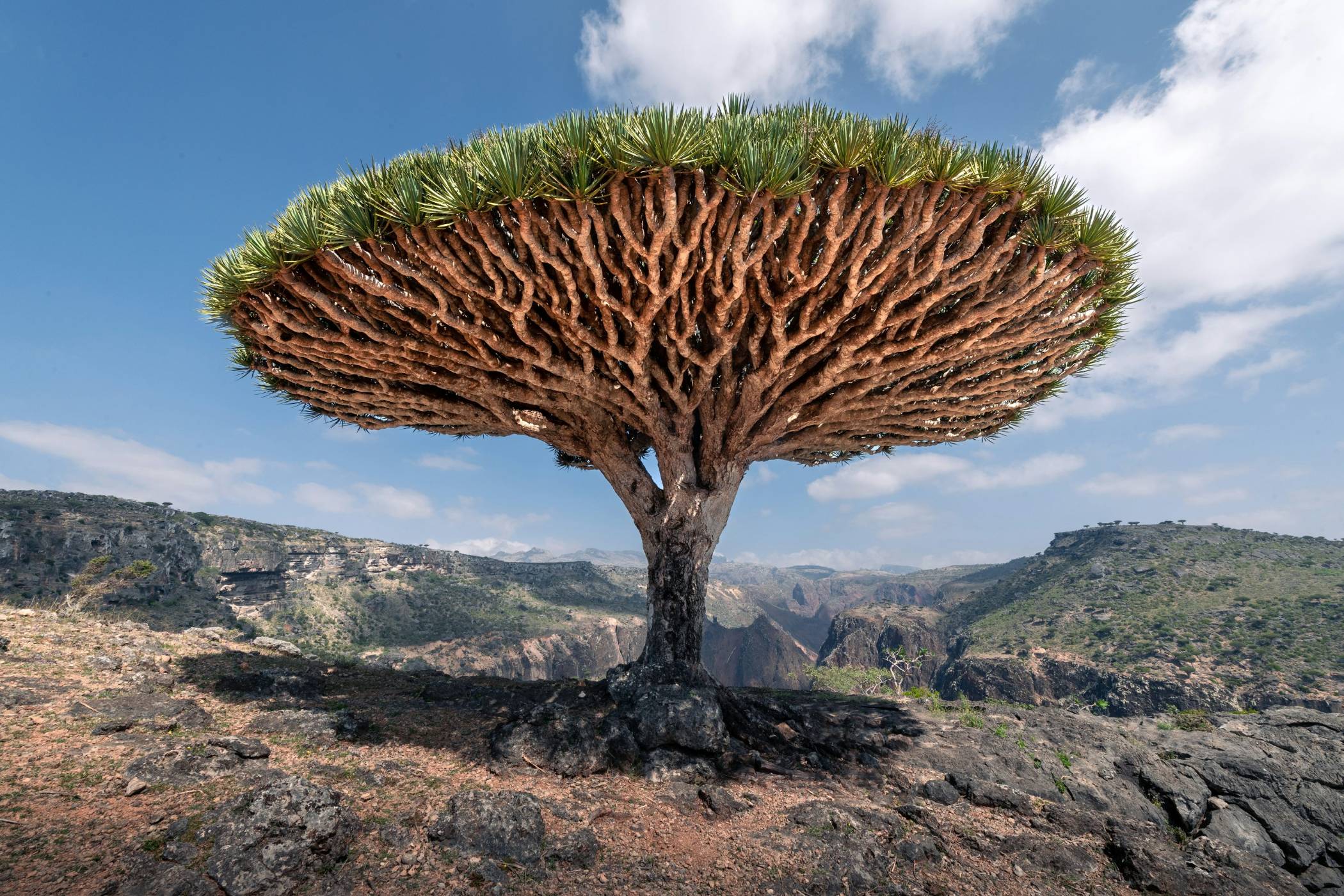
दुनिया के 9 सबसे अनोखे पेड़। आपने कितने देखे हैं?
मनन
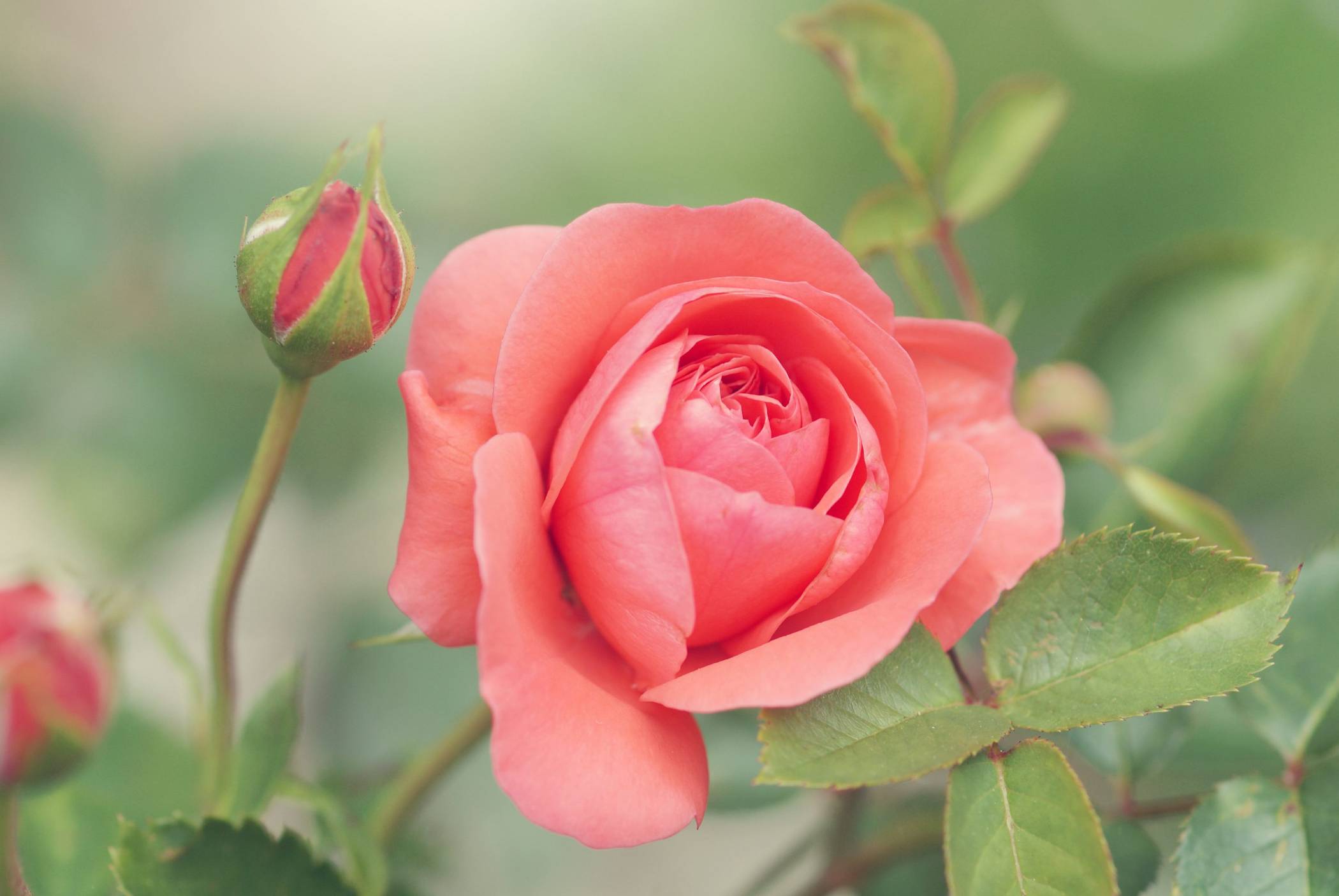
अपने बग़ीचे के लिए गुलाब के 3 प्रकार
शौर्य
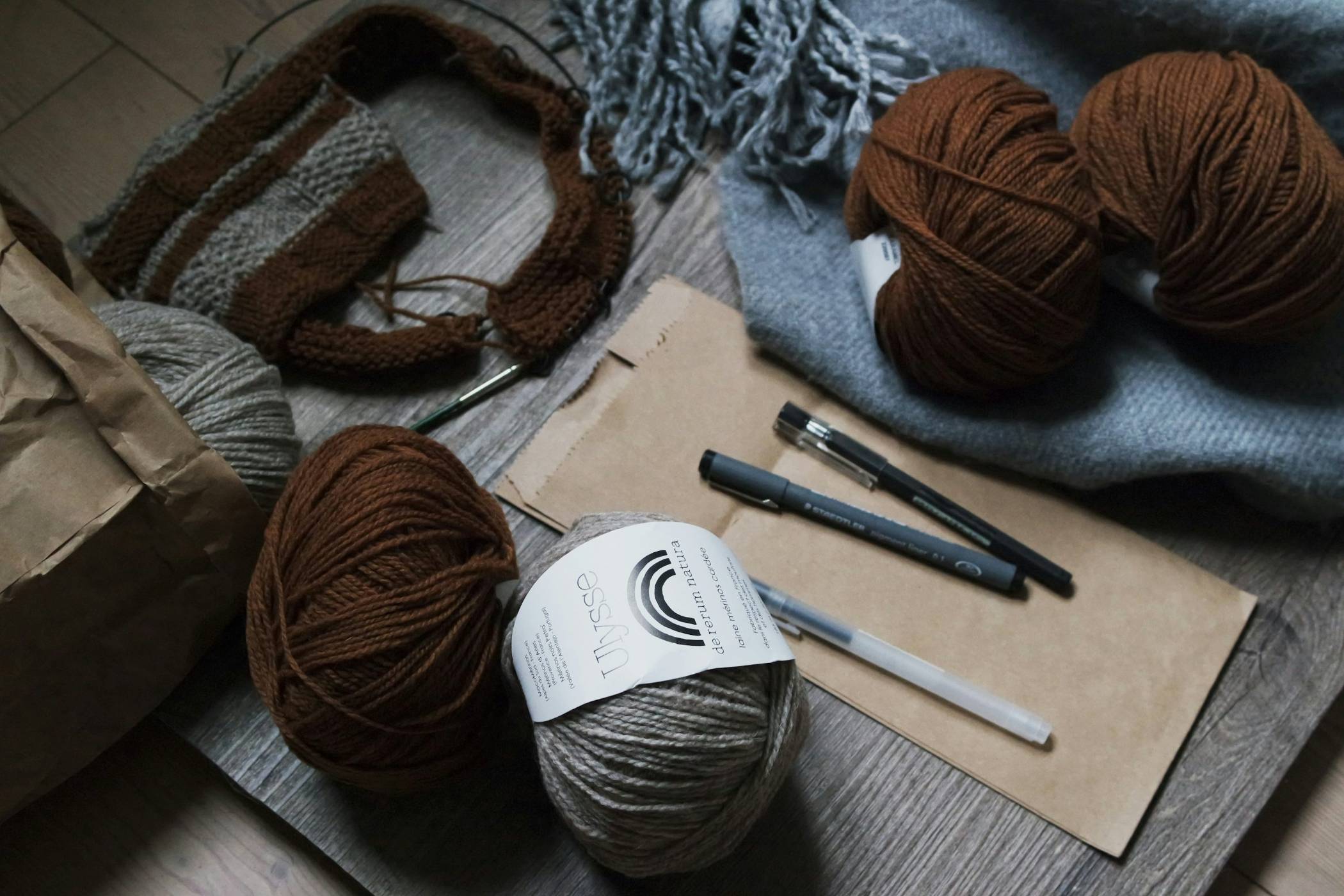
अल्पाका ऊन बनाम भेड़ की ऊन: क्या अंतर है?
चैताली
Essential Surfing Tips for Beginners
Elowen Hart
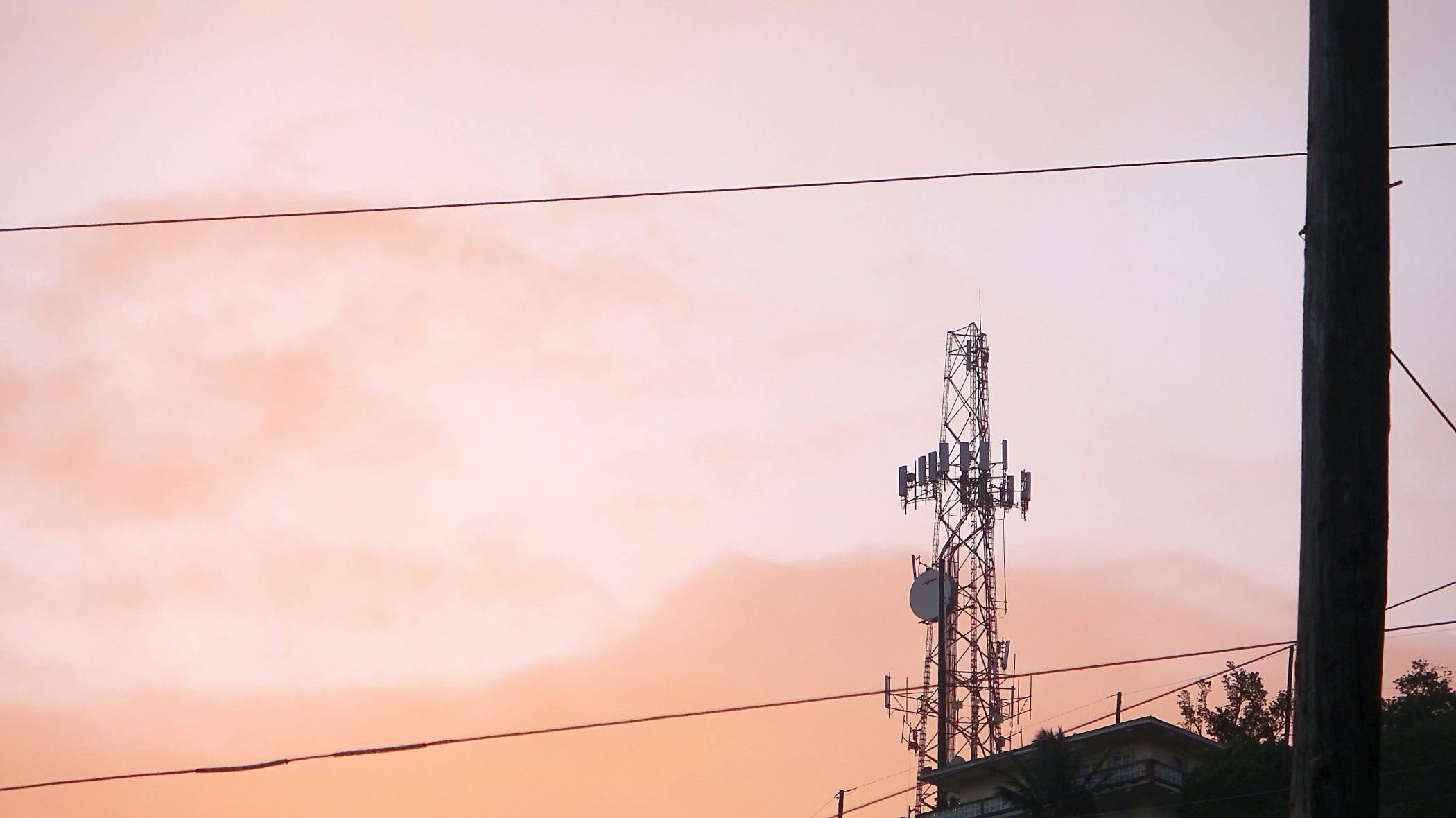
हमारे दैनिक जीवन में सेल टावरों की 4 अहम भूमिकाएँ
शार्लोट
आपकी नौकायन छुट्टी के लिए सबसे खूबसूरत समुद्र
आरोही