विशेष लेख
Choosing the Ideal Bedside Table Lamps
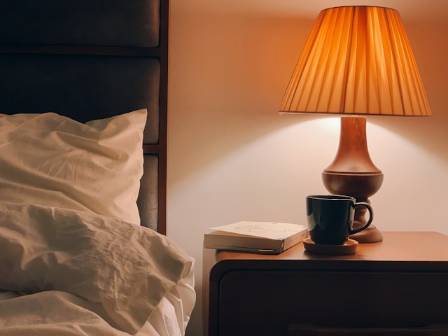
A bedside lamp is more than a simple lighting accessory. It acts as a quiet presence during your wind-down routine, a reliable companion for nighttime reading, and a subtle decorative piece that enhances your bedroom’s atmosphere. The right choice can noticeably improve both the look of your space and how comfortably you use it.
Adrian Kate
लेखक
लेख परिचय
नीचे पूरा लेख पढ़ें।
अनुभाग
समाचार

A bedside lamp is more than a simple lighting accessory. It acts as a quiet presence during your wind-down routine, a reliable companion for nighttime reading, and a subtle decorative piece that enhances your bedroom’s atmosphere. The right choice can noticeably improve both the look of your space and how comfortably you use it.
Whether you’re someone who enjoys reading before bed, prefers soft lighting to relax, or just needs practical illumination for nightly routines, this guide will help you select a bedside lamp that blends function with style.
Why a Bedside Lamp Matters More Than You Think
A lamp is easy to overlook, but its impact goes far beyond illumination. It influences mood, comfort, and even your sleep environment.
Picture stepping into your room after a long day. A gentle, warm glow immediately signals relaxation. Now compare that with harsh overhead lighting—the feeling is completely different.
A well-chosen bedside lamp supports calming habits like reading, journaling, or unwinding without the intensity of ceiling lights. With so many designs available, you can easily find one that is both practical and visually appealing.
Consider Your Daily Use
Before choosing a lamp, think about how you’ll actually use it. Common uses include:
Reading before sleep
Nighttime caregiving or feeding
Soft ambient lighting in the evening or early morning
Creating a relaxing or romantic atmosphere
Guiding movement during nighttime trips to the bathroom
Acting as a gentle nightlight
Your primary purpose will guide your decision. For example, reading requires focused, adjustable lighting, while relaxation calls for a softer, more diffused glow.
Match the Lamp to Your Bedroom Style
Bedside lamps come in countless designs, so it’s important to choose one that complements your room’s aesthetic.
Modern / Minimalist: Clean shapes, neutral tones, metal or matte finishes
Classic / Traditional: Fabric shades, decorative bases, warm wood accents
Boho / Eclectic: Natural textures like rattan, woven materials, or colored glass
Industrial: Raw finishes, exposed bulbs, dark metal frames
Scandinavian: Light woods, soft neutrals, simple and airy forms
You can also mix styles intentionally. A bold lamp can stand out in a simple room, while a subtle design can balance a more visually rich space.
Get the Size and Scale Right
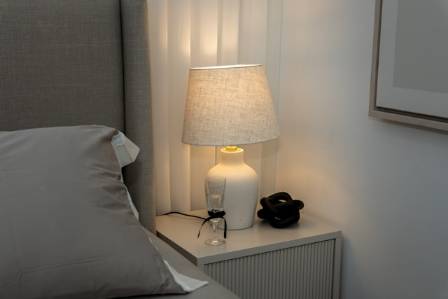
Proportion plays a big role in how functional and attractive your lamp feels. A good guideline is to align lamp height with your bed setup.
Measure from the floor to the top of your mattress. Ideally, the bottom of the lampshade should sit near eye level when you’re seated in bed. In most cases, this results in a lamp height of about 24–28 inches.
For width, the lampshade should generally not exceed the width of the nightstand. A shade roughly one-third of the table’s width usually looks well balanced.
Choose the Right Lampshade
The shade determines how light is distributed and the mood it creates.
Materials:
Fabric: Soft, warm, and diffused lighting—ideal for relaxation
Glass: Brighter and more direct illumination
Metal: Focused, directional light—great for reading
Shapes:
Drum: Even light distribution with a modern look
Empire: Traditional style with downward-focused lighting
Cone/Directional: Concentrated light for specific tasks
For cozy ambiance, fabric shades work best. For reading, choose a shade that directs light downward.
Understand Bulb Types
The bulb you choose affects brightness, tone, and comfort.
LED bulbs: Energy-efficient, long-lasting, available in warm tones (best at 2700K–3000K for bedrooms)
Incandescent bulbs: Warm glow but less efficient
CFL bulbs: Moderate efficiency but slower to warm up
Smart bulbs: Adjustable brightness, color, and scheduling via apps or voice control
Always ensure your lamp is compatible with the bulb type you choose.
Consider Dimming Options
Dimming control adds flexibility to your lighting experience.
Options include:
Built-in dimmer knobs
Touch-sensitive bases
Smart bulb apps or voice assistants
Inline cord dimmers
Dimming allows you to shift from bright reading light to soft nighttime glow with ease. If your lamp doesn’t include it, you can often add a compatible dimmable bulb and external dimmer.
Choose a Convenient Switch Style
Switch placement affects everyday usability.
Common types:
Base switch: Easy access beside the bed
Cord switch: Located on the wire
Pull chain: Decorative but less practical
Touch control: Simple tap operation
Smart control: App or voice activation
For convenience, pick a design that lets you operate it without leaving bed.
Explore Smart Features
Modern lamps often include additional smart functions, such as:
App or voice control
Scheduling and timers
Gradual wake-up lighting
USB charging ports
Bluetooth audio features
These upgrades add convenience and help streamline your nighttime routine.
Should Both Sides Match?
Matching lamps are common, but not required. Symmetry creates a balanced look, but mixing styles can still work well.
If you choose different lamps, maintain visual consistency through shared elements like color, material, or finish.
For example, one lamp may be taller and cylindrical while the other is shorter and tapered, but matching brass or black finishes can tie them together visually.
Online vs In-Store Shopping
Online shopping advantages:
Wide selection
Easy comparison
Customer reviews and photos
In-store advantages:
Test brightness and build quality
See true color and scale
Immediate evaluation of materials
Combining both approaches often leads to the best decision.
Common Mistakes to Avoid
Choosing the wrong size for the nightstand or bed
Prioritizing style over usability
Using overly bright or cold light bulbs
Ignoring light direction for reading needs
Forgetting outlet placement
Final Advice
When in doubt, stick to neutral tones like white, black, or metallic finishes—they blend easily with most interiors. Focus on durability, stable construction, and quality materials. If you share the room, consider both users’ lighting preferences.
Most importantly, think long-term. A good bedside lamp should still feel right years from now.
The ideal choice doesn’t just brighten your room—it enhances your nightly routine and makes your bedroom feel more comfortable, calming, and complete.