विशेष लेख
Different Types of Sushi: Find Your New Favorite
When you first open a sushi restaurant menu, the variety can feel overwhelming. From familiar rolled sushi like maki to elegant pieces such as nigiri, it is easy to lose track of what each type means.
Madeleine Fairfax
लेखक
लेख परिचय
नीचे पूरा लेख पढ़ें।
अनुभाग
समाचार
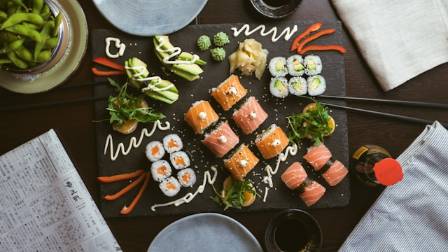
When you first open a sushi restaurant menu, the variety can feel overwhelming. From familiar rolled sushi like maki to elegant pieces such as nigiri, it is easy to lose track of what each type means.
It is worth going beyond well-known options like the California roll and learning the wider world of sushi so you can better appreciate your next meal at a sushi bar.
If you want to explore further, you can also look into beginner guides that explain the different kinds of fish used in sushi.
What Sushi Actually Is
Sushi refers to any dish made with rice seasoned with vinegar, sugar, and salt, paired with ingredients such as seafood or vegetables. The combinations are nearly endless, which is why sushi offers such a wide range of flavors and styles.
Over time, both in Japan and internationally, many variations have developed, creating modern interpretations alongside traditional forms.
Overview of Eleven Sushi Styles
There are many kinds of sushi, each with its own preparation style and presentation. Below are eleven commonly recognized types.
Nigiri Sushi
Nigiri is one of the most recognizable sushi styles. It typically consists of a small hand-pressed mound of rice topped with fish, egg, or vegetables.
Most commonly, raw seafood such as tuna or salmon is used, though sometimes it may be seared or cooked for added flavor. A small amount of wasabi is often placed between the rice and topping, though it can be omitted if preferred.
Maki Sushi
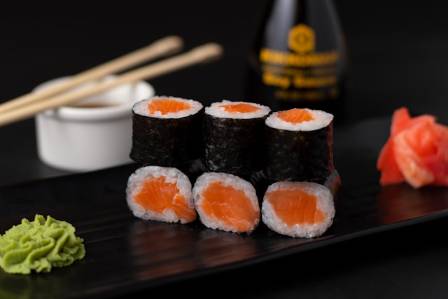
Maki sushi is the classic rolled sushi many people are familiar with. Ingredients like fish, vegetables, and rice are wrapped inside seaweed (nori) and sliced into bite-sized pieces.
A thinner version made with a single filling is called hosomaki. While maki is widely known, it actually includes many variations beyond the standard roll.
Futomaki
Futomaki means “thick roll” and refers to larger sushi rolls packed with multiple ingredients. These are often vegetarian and may include egg, cucumber, and mushrooms.
They are commonly prepared for festivals, bento meals, and gatherings due to their colorful appearance and filling nature.
Hosomaki
Hosomaki is a simple and small sushi roll with only one filling. Common options include cucumber, tuna, salmon, or crab.
Its simplicity makes it one of the most traditional and straightforward forms of maki sushi.
Temaki Sushi
Temaki, or hand roll sushi, is shaped like a cone and wrapped in seaweed. It contains rice, seafood, and vegetables.
It is meant to be eaten by hand rather than chopsticks, making it a casual and fun style often prepared at home.
Uramaki Sushi
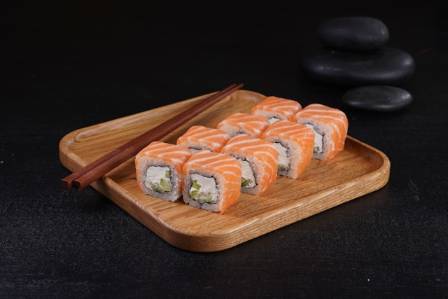
Uramaki is an inside-out roll where rice forms the outer layer and seaweed is inside.
This style became popular outside Japan, especially in the United States, and includes well-known varieties like the California roll. In Japan, however, it is less traditional compared to other forms.
Chirashi Sushi
Chirashi, meaning “scattered sushi,” is a bowl of vinegared rice topped with assorted ingredients such as sashimi, vegetables, and garnishes.
Common toppings include salmon, tuna, egg strips, seaweed, and fish roe, creating a colorful and balanced dish often served for celebrations.
Inari Sushi
Inari sushi features vinegared rice stuffed inside sweetened fried tofu pockets called aburaage.
Unlike most sushi, it has a slightly sweet flavor profile and is often included in bento boxes or served as a side dish.
Temari Sushi
Temari sushi consists of small, round rice balls topped with fish or other ingredients.
Its name comes from traditional decorative Japanese handballs, and it is often prepared for special occasions due to its attractive appearance.
Gunkan Maki
Gunkan maki, meaning “battleship roll,” is a sushi style where rice is wrapped in seaweed with a raised edge to hold soft toppings.
Common toppings include fish roe, sea urchin, and other delicate ingredients that need containment.
Narezushi
Narezushi is one of the oldest forms of sushi, dating back over a thousand years. It is made using fermented fish and rice.
Historically, the rice was used for fermentation and later discarded, while the preserved fish was eaten. Today, it is rarely consumed but still exists in certain regions of Japan.
Oshi Sushi
Oshi sushi, or pressed sushi, originates from Osaka. It is made by compressing rice and fish into a rectangular mold.
This method has historical roots in early preservation techniques and remains a traditional regional specialty.
Sasa Sushi
Sasa sushi is a rustic regional style from areas like Niigata and Nagano.
It is typically served on bamboo leaves and may include rice topped with local vegetables and seasonal ingredients, highlighting fresh regional produce.
A Refined Sushi Dining Experience
For those looking to experience high-end sushi, traditional sushi restaurants offer curated tasting menus featuring seasonal ingredients and expertly prepared nigiri.
These dining experiences often include multiple courses, such as appetizers, sushi selections, and miso soup, allowing guests to enjoy carefully crafted flavors in a relaxed setting.
यह भी पढ़ें
स्ट्रॉबेरी टॉप्स के 10 हैरान करने वाले, बिना वेस्ट किए इस्तेमाल
पूजा

जलमग्नता में महारत हासिल करना: जलमग्न कला के लिए एक व्यापक मार्गदर्शिका
सूरज मण्डोवाल

2023 के सबसे हॉट फॉर्मल ड्रेस ट्रेंड्स
गीता

The Secret to Tiramisu That Tastes Like Italy
Nora Blake

सीगल और उसके व्यवहार को समझना
प्रभा

आवश्यक आधुनिक सुपरकारें: दुनिया के सर्वश्रेष्ठ प्रदर्शन वाहनों के लिए एक मार्गदर्शिका
माला बंसल