विशेष लेख
36 Incredible Facts About Monkeys You Need To Know
Monkeys are primates. They are close relatives of humans and apes. They form a distinct group within the primate family.
Hudson Amelia
लेखक
लेख परिचय
नीचे पूरा लेख पढ़ें।
अनुभाग
समाचार
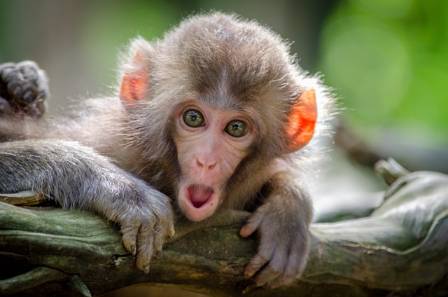
Primates And Humans Share A Bond
Monkeys are primates. They are close relatives of humans and apes. They form a distinct group within the primate family.
Tails Are A Standard Feature
Every monkey has a tail. Some are barely visible stubs. Others have long prehensile tails. Barbary macaques are an example of the former. They reside in Northern Africa and Southern Europe.
Hundreds Of Species Exist
Over two hundred types of monkeys roam the earth. They live in Africa and Asia. Many also inhabit the Americas.
Two Major Categories Define Them
Scientists split them into two groups. New World monkeys live in the Americas. They often have flat noses. Old World monkeys inhabit Africa and Asia. They have different nasal characteristics.
Prehensile Tails Act As Limbs
Some species use their tails to hold branches. Spider monkeys in the Americas are famous for this. Their tail acts as an extra hand.
Monkey Is A General Term
The word is not a scientific classification. It describes a broad group of species. Apes are different. They lack tails and have larger brains.
Pygmy Marmosets Are The Smallest
They live in the Amazon Basin. Some people call them finger monkeys. They are wild animals. They do not make good pets.
Mandrills Are The Largest
Males are the biggest monkeys. They can weigh over thirty kilograms. They live in the rainforests of central west Africa. Females are much smaller.
Howler Monkeys Have Loud Roars
They are aptly named. Their howls carry for miles. Groups often call out together.
Indonesian Macaques Master Bartering
They interact with tourists to get food. They steal items like glasses. Then they trade them back for snacks. This shows impressive intelligence.
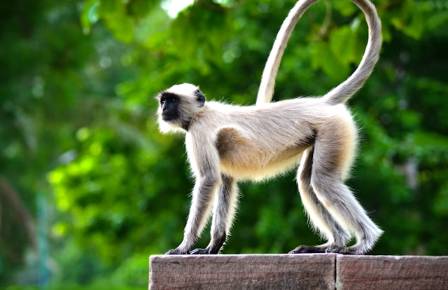
Social Living Is Essential
Most species live in groups. Some form pair bonds. Others move between larger social circles.
Dominance Hierarchies Shape Their Lives
Status affects access to food. Some females inherit their rank at birth. Males often fight to climb the social ladder.
Grooming Builds Social Bridges
It serves more than one purpose. It keeps them clean. It also lowers stress and strengthens bonds.
Capuchins Use Tools
They are experts at this. They use stones to crack nuts. They choose the perfect tool for each task.
Cheek Pouches Store Food
Some species carry extra snacks in their cheeks. This lets them eat quickly and finish later. Old World monkeys often have this feature.
Japanese Macaques Enjoy Hot Springs
They soak in warm pools during cold weather. This keeps them warm in snowy conditions. They are often called snow monkeys.
Alarm Calls Vary By Threat
Diana monkeys have unique signals. They sound one alarm for leopards. They have a different call for eagles.
Swimming Is A Skill
Proboscis monkeys and rhesus macaques swim well. They often cross rivers in the wild.
Vision Is Stereoscopic
Their eyes face forward. This helps them judge distance. This 3D vision is vital for life in the trees.
Dexterity Is Remarkable
Their hands and feet are skillful. They can manipulate objects with great precision. Ability levels vary by species.
Walking Style Is Mostly On All Fours
They can walk on two legs for short bursts. Upright walking is primarily a human trait.
Owl Monkeys Are Nocturnal
They are active at night. They have large eyes to see in the dark. They live in South American forests.
Expressions Convey Emotion
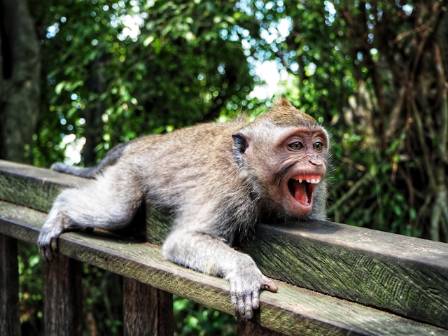
They use faces to show mood. Grinning can signal stress or anger. A bared tooth is usually a sign of conflict.
Plants Are The Main Diet
They enjoy fruit and seeds. Some also eat insects and eggs. Their diet is quite varied.
Golden Snub Nosed Monkeys Brave The Cold
They live in snowy Chinese mountains. They thrive at high altitudes. Lichens form a large part of their food.
Capuchins Live Long Lives
They can survive over fifty years in the wild. Their development is slow. They mature over many years.
The Kipunji Is A New Discovery
Scientists found this species in Tanzania recently. It belongs to its own genus. It is related to baboons.
Bright Colors Attract Mates
Male mandrills have vivid facial markings. The intensity relates to their rank. Female colors are less linked to status.
Most Give Birth To One Baby
Marmosets and tamarins are the exception. They often have twins. The group helps carry the young.
Infants Rely On Their Parents
They cling to adults for travel. Most species develop slowly. They need constant care for a long time.
Empathy Exists In Their Groups
They show emotion for others. They console distressed members. Some share food across groups.
Seed Dispersal Is Vital
They eat fruit and spread seeds. This helps forests grow. They are crucial for healthy habitats.
They Live In Diverse Habitats
They roam deserts and rainforests. Some live on mountain peaks. They adapt to many different climates.
Human Impact Is A Serious Threat
Wildlife faces extinction risks. Deforestation destroys their homes. Illegal trade reduces their numbers.
Many Species Are Critically Threatened
Reports list fifteen monkey species as being at high risk. They live in places like Vietnam and Bolivia. Conservation is crucial for their survival.
They Do Not Make Good Pets
They have complex needs. Keeping them in captivity is harmful. They belong in the wild.
यह भी पढ़ें

सीगल और उसके व्यवहार को समझना
प्रभा

याचिंग छुट्टियों के लिए सबसे सुंदर समुद्र
शंकर
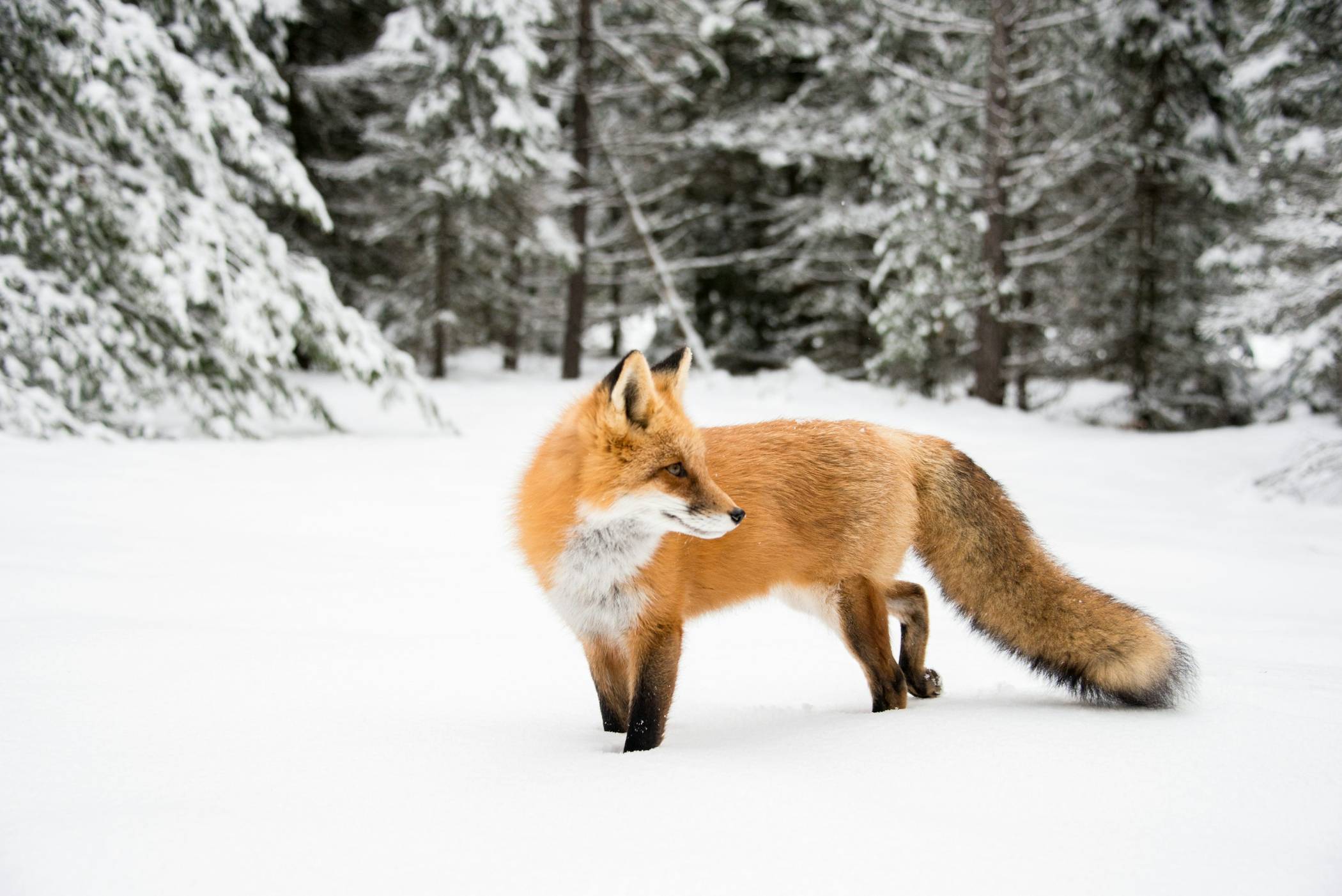
दुनिया में सबसे सुंदर लोमड़ी प्रजातियों में से 7
लीना

विंटर वंडरलैंड: दुनिया के 13 सबसे खूबसूरत शीतकालीन गंतव्य
वर्षा

5 कारण क्यों घड़ी एक जरूरी एक्सेसरी है
मंजू

Distinctive Interior Styling Strategies for Luxury Villas
Sophie Isabelle Stratford