← मुखपृष्ठ2 मिनट का पाठ
विशेष लेख
Luna Brooks
A trip to the ocean invokes images of sun, wind, and the endless rhythm of waves. They crash on the beach, lulling us to sleep at night and waking us in the morning. Surfers ride them, children play in them, and swimmers dive beneath them. But what exactly causes these constant undulations? The short answer is wind—but the root cause is the sun.
L
Luna Brooks
लेखक
लेख परिचय
नीचे पूरा लेख पढ़ें।
अनुभाग
समाचार
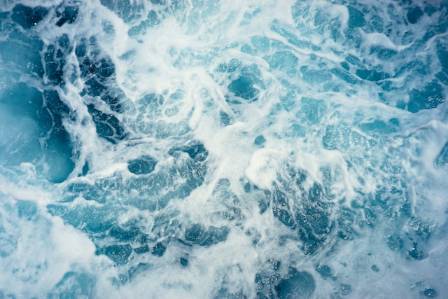
A trip to the ocean invokes images of sun, wind, and the endless rhythm of waves. They crash on the beach, lulling us to sleep at night and waking us in the morning. Surfers ride them, children play in them, and swimmers dive beneath them. But what exactly causes these constant undulations? The short answer is wind—but the root cause is the sun.
The Solar Engine: Uneven Heating
The story of a wave begins with sunlight. Solar radiation heats our planet unevenly; it is most intense at the equator and diminishes toward the poles. This thermal imbalance creates temperature differences across the globe. As hot air rises, cooler air rushes in to fill the void. This movement of air is wind, which acts as the primary energy source for most ocean waves.
The Circular Motion: How Water Moves
Wind is a form of kinetic energy. When it blows across the water's surface, it transfers this energy to the water. However, the water particles do not travel horizontally toward the shore. Instead, they move in vertical circles.
-
A particle of water moves up toward the crest (the highest point).
-
As it reaches the top, it slows down.
-
Gravity then pulls it back down into the trough (the low point between waves).
-
Finally, the particle circles back to its original position or very close to it.
If you have ever stood in the ocean, you have felt this motion: being pushed up as a wave crests and pulled down into the trough. If you were small enough to float freely, your body would complete a full circle. This orbital motion is why buoys appear to simply bob up and down rather than move horizontally with the waves.
From Deep Swells to Breaking Waves
In deep water, wind creates long, rolling waves known as swells. These do not resemble the crashing waves we see near the beach; instead, they look like smooth, rolling hills moving across the ocean surface.
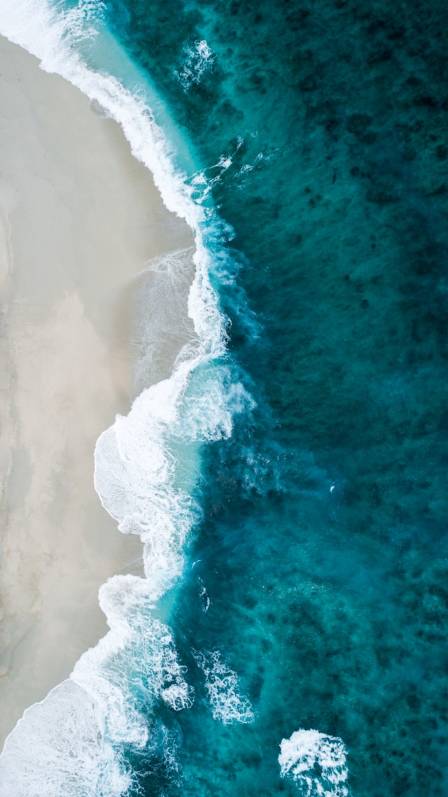
The transformation occurs when these swells reach shallow water. As the circular motion of the water particles drags against the seafloor, friction slows the bottom of the wave down. The water at the surface, however, continues moving at its original speed. This causes the water behind it to pile up, eventually becoming too tall and unstable. The crest curls over the top and collapses, crashing onto the shore before retreating.
Extreme Waves: Beyond the Wind
Not all waves follow the gentle breaking pattern caused by wind. Severe weather systems can generate storm surges, which are abnormal rises of water generated by a storm. Even more destructive are tsunamis, which are long-wavelength waves triggered by underwater earthquakes or mudslides. Unlike wind-driven waves, storm surges and tsunamis behave like towering walls of water, possessing immense energy capable of wiping out everything in their path.
यह भी पढ़ें

hi
प्रसिद्ध पास्ता के आकार और उनकी कहानियाँ
रूद्र
hi
माउंट एमी में करने के लिए शीर्ष 3 बातें | एमीशान बकेट लिस्ट 2025
पूजा

en
20 of the world’s best soups
Eleanor Davis

en
Best Lounge Chairs for Balcony
Zephyr Gray

hi
लाल गुलाब प्यार और रोमांस का प्रतीक है। यहाँ लाल फूलों वाली गुलाब की सबसे अच्छी किस्मों का हमारा चयन है
अक्षय

hi
बीज से अंकुर तक: अंकुरित करने के लिए एक शुरुआती मार्गदर्शिका, लुईस कोहेन-सिल्वर, पीएच.डी., वी.एल.सी.ई. द्वारा
देव