विशेष लेख
9 Breathtakingly Scenic Desert Oases
Oases hold an irresistible allure for the human imagination. These unanticipated pockets of vibrant greenery amid vast desert expanses fascinate us precisely for their striking contrast with the stark, arid terrain that surrounds them. In these extraordinary spots, the transition from endless sand to lush vegetation is almost always sudden and dramatic.
Silas
लेखक
लेख परिचय
नीचे पूरा लेख पढ़ें।
अनुभाग
समाचार
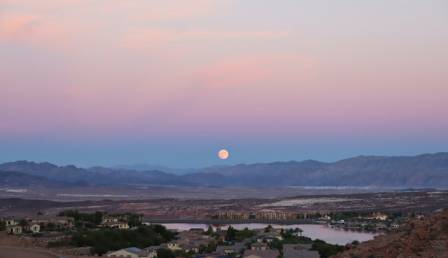
Oases hold an irresistible allure for the human imagination. These unanticipated pockets of vibrant greenery amid vast desert expanses fascinate us precisely for their striking contrast with the stark, arid terrain that surrounds them. In these extraordinary spots, the transition from endless sand to lush vegetation is almost always sudden and dramatic.
For desert inhabitants and weary travelers of bygone eras, oases were never merely scenic oddities to admire. They served as critical rest stops in the blistering heat of the desert—often the sole lifeline separating survival from peril. Once, these havens were indispensable sources of water; some still fulfill this vital role today, while also drawing legions of tourists and curious explorers eager to witness Mother Nature’s remarkable desert oases with their own eyes.
Below are nine exquisitely scenic oases scattered across the globe.
1. Tafilalt (Morocco)
Nestled in the Ziz Valley lies Morocco’s largest oasis, a standout among the country’s many desert green spots and often described as having a cinematic beauty. Rows of date palm trees stretch all the way to the Sahara Desert’s edge, and most photographs of the region frame both the barren, rocky hills and the verdant valley floor in one stunning view. The town of Tafilalt sits in the valley at the border of a sprawling palm forest, while the tiny village of Aoufous is nestled right in the heart of this sea of palms.
The Ziz River, the lifeblood of this oasis, winds its way deep into the Sahara. Much like the Nile on the continent’s opposite side, the Ziz’s banks are lined with agricultural activity. Unlike its famous Egyptian counterpart, though, the Ziz flows only intermittently once it reaches the desert regions of eastern Morocco and western Algeria.
2. Huacachina (Peru)
Huacachina is situated beside a natural lake, encircled by towering sand dunes in the Peruvian desert. This remote oasis lies in southern Peru, far from the capital city Lima and the world-famous Machu Picchu archaeological site. The closest major city is Ica, a coastal desert town. With some of the lowest annual rainfall on the planet, this desert is among the driest in the world—making the very existence of any oasis here all the more astonishing.
Today, the area is a beloved tourist destination, drawing both Peruvian locals and international travelers alike. Sadly, the lake’s water levels have declined steadily over the decades, a problem partly attributed to excessive well drilling and rapid evaporation caused by scorching desert temperatures. To preserve the town’s postcard-perfect scenery and its appeal to tourists, authorities pump water into the lake from the nearby city of Ica.
3. Wadi Bani Khalid (Oman)
Wadi Bani Khalid is a scenic valley in Oman, on the Arabian Peninsula. Despite the parched landscape all around, this wadi is defined by gentle streams and fresh spring water that bubbles up from underground aquifers. Several small villages and agricultural plantations cluster near these precious water sources, and the valley is also known for its vividly colored rock formations—hued in green and red by high concentrations of natural minerals.
It is one of the most easily accessible oases in the Arabian Peninsula, located right on the major highway connecting Muscat and Sur, two of Oman’s key population centers. This accessibility has made it a favorite among both local and international tourists. Swimming in the cool spring waters is a top activity, and nearby caves and winding streams offer adventure for those willing to trek through the desert heat.
4. Liwa Oasis (United Arab Emirates)
The Liwa Oasis is a sprawling desert green spot in the Emirate of Abu Dhabi. The royal families that govern Abu Dhabi and Dubai—two ultra-modern emirates that anchor the UAE—can trace their ancestral roots back to the Liwa region. Farming, blending traditional techniques with modern agricultural practices, remains the economic backbone of the area. In recent years, however, tourism has boomed: the oasis now boasts tourist amenities and several hotels, with a focus on desert sports like dune surfing and off-road driving, rather than the oasis itself.
For those seeking dramatic natural contrasts, Liwa is unrivaled. It sits directly at the edge of the Rub’ al-Khali, or Empty Quarter—a vast sand desert spanning the UAE and Saudi Arabia, covering 250,000 square miles and holding the title of the world’s largest continuous sand desert. Liwa is the final stop before venturing into this endless, windswept sandy wilderness.
5. Chebika Oasis (Tunisia)
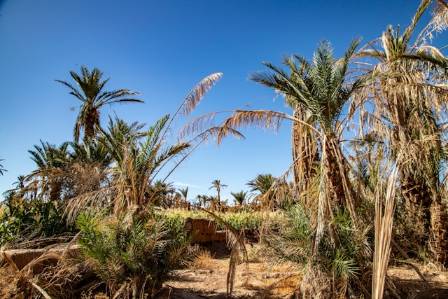
Tunisia’s Chebika Oasis has every feature a desert oasis enthusiast could desire: cool, crystal-clear pools of water, swaying palm trees and lush green foliage, even cascading waterfalls and rugged rock formations. Most visitors to this part of western Tunisia are also drawn to the stark, barren landscapes that lie just outside Chebika’s green borders.
The original Star Wars film filmed several iconic scenes in the areas surrounding the oasis and Tozeur, the nearby provincial capital. Thanks to the region’s ultra-dry climate, the original film sets remain largely intact, looking almost exactly as they did when they first appeared on the big screen in 1977.
Chebika itself draws plenty of visitors, too. A strategic outpost during the Roman Empire, it was also settled by the Berber people, and its rich history adds to its allure. Tourist facilities here are modest, but the area’s overall popularity means nearby towns—including the neighboring Tamerza—offer a range of accommodations for travelers.
6. Crescent Lake (China)
Located just outside Dunhuang, Crescent Lake has long been a crucial rest stop for travelers crossing the vast Gobi Desert. Known as “Yueyaquan” in Mandarin, this spring-fed lake is nestled right in the middle of a cluster of towering sand dunes. Tourists flock here not only to marvel at this natural wonder but also to experience the surrounding desert: ATV rides, dune buggy adventures, and camel treks are all popular activities for both Chinese and international visitors.
Crescent Lake shrank dramatically after it was first measured in 1960. In 2006, the Chinese government stepped in to address the issue, launching efforts to reverse desertification and refill the lake with water. While the lake is not as deep as it was in the 1960s, the decades-long decline in both its depth and surface area has seemingly been halted—at least for the time being.
7. Ein Gedi (Israel)
Ein Gedi is one of Israel’s most popular natural attractions, and also one of the world’s oldest oases with a history stretching back millennia. Archaeologists have uncovered ancient artifacts in caves near Ein Gedi that date all the way to the Neolithic period. Today, it is the centerpiece of a nature reserve established in 1971, bordered by the rugged Judean Desert and the iconic Dead Sea.
Water from Ein Gedi’s four natural springs is used for local agriculture, and some of this fresh spring water is even bottled and sold commercially. Visitors can hike the reserve’s well-maintained trails to explore the oasis, or get up close to the springs, waterfalls, and gentle streams that define this desert haven. Beyond the water, the park is also a sanctuary for rare wildlife: the rock hyrax and Nubian ibex are both commonly spotted by hikers, making it a delight for nature lovers.
8. Agua Caliente (Arizona, USA)
Arizona’s Agua Caliente markets itself as a desert oasis, and while technically it is a spring-fed pond rather than a traditional oasis, it embodies the spirit of these desert green spots. The main pond, plus two smaller adjacent ones, is part of a regional park in the Sonoran Desert just outside Tucson. The water is cool enough to support a variety of fish and aquatic plant life, and palm trees line the streams and ponds, standing in striking contrast to the stark, arid desert landscape all around.
The volume of water flowing from the hot spring has fluctuated over the years, likely due to regional droughts. When water levels drop, authorities pump water into the pond from a nearby well to keep it full. The park surrounding Agua Caliente offers picnic areas, hiking trails, and a historic ranch that once operated as a health resort—today, the ranch serves as a visitor center and art gallery for park guests.
9. Lençóis Maranhenses National Park (Brazil)
Visitors to Brazil’s Lençóis Maranhenses National Park, in the country’s north, will find countless oasis-like bodies of water scattered across the landscape. Vast sand dunes stretch across more than 580 square miles of the park, and the pools that form in the low-lying hollows between the dune peaks look every bit like traditional desert oases—though in reality, they are not.
Lençóis Maranhenses is actually not far from the Amazon rainforest, meaning it receives abundant rainfall each year. The land resembles a desert because the dense, fine sand prevents any vegetation from taking root. Beneath the dunes, impermeable rock layers stop rainwater from seeping into the ground, causing pools to form in the dune hollows. Water levels rise after heavy rains, and many of these rain-fed lagoons are permanent, even supporting a variety of fish species in their calm waters.
यह भी पढ़ें

सपनों की उड़ान
एम्मा कार्टर

ऑटो हॉल ऑफ फेम: अब तक की सबसे महान कार डिज़ाइन
तृषा
अमेरिका में 10 रोमांचक गंतव्य, जहाँ आप एक शानदार ऑफ रोड 4x4 एडवेंचर का मज़ा ले सकते हैं
भानु
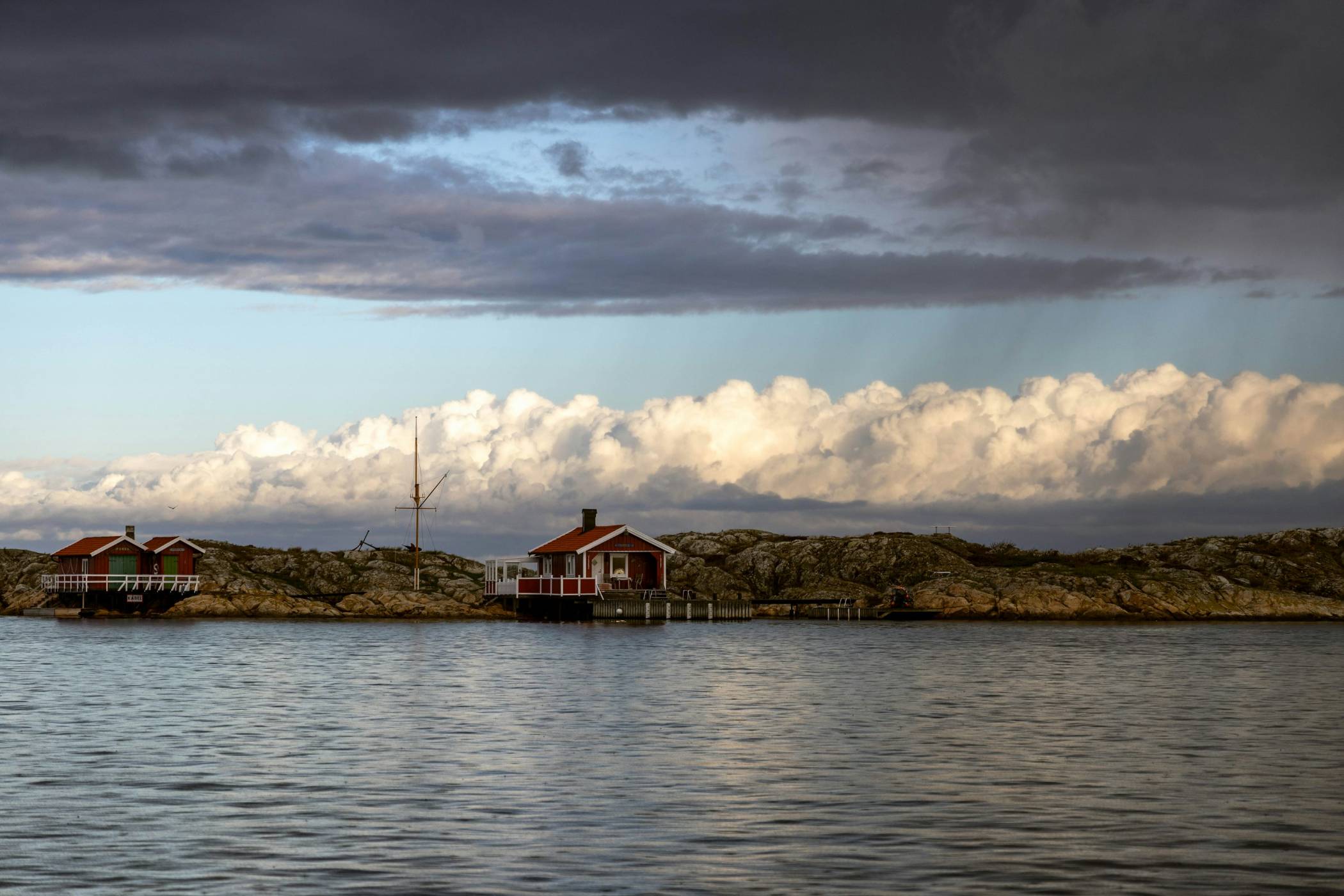
स्कैंडिनेविया से बिग सुर तक: दुनिया के आठ बेहतरीन बीच हाउस
बिंदिया

दुनिया की सबसे खूबसूरत लोमड़ियों की 7 प्रजातियाँ
दिव्या

Cappuccino Art vs Latte Art: A Detailed Insight
Eleanor Bennett