विशेष लेख
Essential Soups from Around the Globe to Experience
Steam-filled, slow-cooked, and deeply soothing, soup represents one of the most ancient and diverse culinary categories on the planet. From the frost-covered landscapes of Finland to the energetic thoroughfares of Hanoi, every society possesses a unique bowl that narrates its history.
Trevor Maddox
लेखक
लेख परिचय
नीचे पूरा लेख पढ़ें।
अनुभाग
समाचार
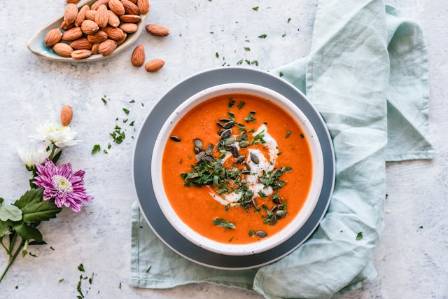
Steam-filled, slow-cooked, and deeply soothing, soup represents one of the most ancient and diverse culinary categories on the planet. From the frost-covered landscapes of Finland to the energetic thoroughfares of Hanoi, every society possesses a unique bowl that narrates its history.
These dishes transcend mere taste; they embody heritage, perseverance, and cultural soul. Many originated in modest peasant kitchens, yet they are now cherished at grand celebrations or enjoyed as restorative morning rituals. Whether served scorching hot or perfectly chilled, creamy or clear, each variety offers a window into its place of origin.
Embark on a culinary journey across the continents to explore the roots, essential components, and distinct profiles of these legendary soups.
1. Miso Soup (Japan)
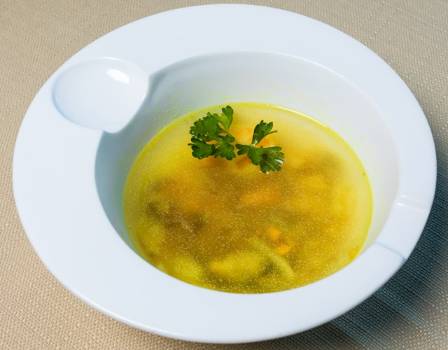
As a fundamental element of the Japanese diet, miso soup is incredibly adaptable, appearing at breakfast, lunch, and dinner. This understated dish represents the Japanese values of harmony, simplicity, and physical well-being.
The base relies on dashi—a broth crafted from kelp or dried fish—and miso paste, which is made from fermented soybeans combined with rice or barley. Common additions include soft tofu cubes and seaweed. It offers a deep savory umami taste, occasionally balanced by a hint of sweetness from the fermentation.
For over a millennium, this soup has been a staple in Japan, viewed as a primary source of vitality and long life. While tofu and seaweed are standard, many regional versions incorporate various seasonal vegetables.
2. Borscht (Ukraine)
Vividly colorful and satisfyingly dense, borscht is a beet-centric soup synonymous with Ukrainian heritage, though it is widely enjoyed throughout Eastern Europe. It serves as a culinary representation of warmth, family ties, and national pride.
The soup’s vibrant red hue comes from beets, which are simmered with cabbage, onions, and often other legumes or tomatoes in a meat or vegetable stock. It is characterized by an earthy, sweet, and slightly sour flavor profile.
Borscht is frequently featured at weddings and festive gatherings. To enjoy it traditionally, serve it hot with a generous dollop of sour cream, accompanied by dark rye bread rubbed with fresh garlic.
3. Ribollita (Italy)
A visit to Tuscany is incomplete without tasting ribollita, a thick, rustic soup known for its intense and comforting aroma. The name literally means "reboiled," referring to the practice of reheating leftover soup.
The star of the dish is lacinato kale (black cabbage), a staple of Tuscan gardening. This is combined with cannellini beans and various root vegetables. The soup is thickened by adding pieces of stale, unsalted Tuscan bread, which absorbs the flavorful broth.
What was once a resourceful "poor man’s" meal to avoid wasting bread has become a celebrated item in high-end Tuscan dining. It is famously said that ribollita tastes best the following day after the flavors have fully melded.
4. Bouillabaisse (France)
Originating from the bustling ports of Marseille, bouillabaisse is a fisherman’s stew that evolved into a world-class culinary achievement. It was traditionally prepared by fishermen using the bony rockfish they couldn't sell at the market.
An authentic version requires at least four types of Mediterranean fish, such as scorpion fish or red mullet, simmered with saffron, garlic, citrus peel, and bay leaves. The result is a highly aromatic and complex broth with a deep briny essence.
In the south of France, purists insist that this soup must be eaten near the ocean, paired with a crisp white wine. It is traditionally served with rouille—a spicy, garlicky saffron mayonnaise spread on toasted bread.
5. Gazpacho (Spain)
In the scorching heat of Andalusia, gazpacho serves as a refreshing liquid salad. This chilled soup transforms basic Mediterranean garden produce into a bright, cooling delicacy.
It is made by blending ripe tomatoes, cucumbers, and peppers with olive oil and bread for thickness. The flavor is tangy, fresh, and incredibly smooth.
While it began as a humble meal for field workers, it is now a gourmet staple across Spain. For the best experience during summer, serve it very cold, sometimes even with ice cubes to maintain its temperature.
6. Pho (Vietnam)
Few dishes are as iconic to their country as pho. It is more than just a meal; it is a cultural ritual often enjoyed as breakfast on a busy street corner or as a restorative late-night bowl.
The soul of pho is its clear yet complex broth, which is simmered for many hours with charred ginger, onions, and aromatic spices like cinnamon and star anise. This liquid is poured over soft rice noodles and topped with thin slices of beef or chicken.
A side plate of fresh basil, cilantro, lime wedges, bean sprouts, and chili is always provided. This allow each person to customize the balance of heat, acidity, and herbal freshness to their specific liking.
7. Tom Yam (Thailand)
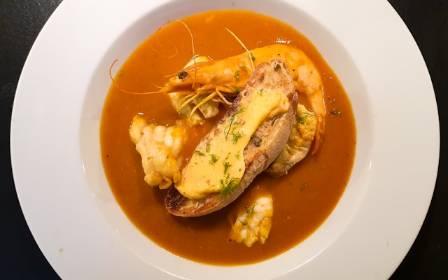
Tom yam is a masterpiece of Thai cuisine, offering a bold explosion of heat, sourness, and herbal fragrance in a single bowl.
The soup is defined by shrimp and a potent aromatic base of lemongrass, kaffir lime leaves, and galangal. Fish sauce and lime juice provide the essential salty and sour notes, while bird's eye chilies provide the fire.
While strictly Thai in origin, many variations exist throughout Southeast Asia. In Thailand, it is served everywhere from humble street carts to the most formal banquets. It is often paired with jasmine rice to help temper the intense spices.
8. Harira (Morocco)
Deeply spiced and incredibly filling, harira is the most significant soup in Moroccan culture. It is famously served to break the daily fast during the holy month of Ramadan.
The recipe usually includes lamb or beef simmered with lentils, chickpeas, and a fragrant blend of turmeric, ginger, and black pepper. Fresh herbs like cilantro and parsley give it a bright finish.
Harira is a celebratory dish, often served at weddings and during special religious holidays. Like many bean-based soups, its flavor profile becomes even more rich and complex if prepared a day in advance.
9. Menudo (Mexico)
Often cited as the ultimate cure for a long night of celebration, menudo is a legendary Mexican soup known for its bold flavors and unique texture.
The primary ingredient is beef tripe, which is slow-cooked in a broth infused with red chili peppers and tomatoes. It is traditionally seasoned at the table with fresh lime juice, oregano, and chopped onions.
Menudo is a significant culinary symbol throughout Mexico and Latin America. While recipes vary by region, it is always characterized by a rich, spicy broth and its status as a communal weekend meal.
10. Lohikeitto (Finland)
Lohikeitto is a creamy salmon soup that represents the minimalist and comforting nature of Nordic cooking. It is a staple of Finnish home life.
It features fresh salmon fillets, potatoes, leeks, and carrots simmered in a base of cream or whole milk. Fresh dill is an essential finishing touch, providing a bright, herbal contrast to the rich dairy.
This soup is especially prized during the long, dark Finnish winters for its warmth and nutrition. It is almost always accompanied by a slice of buttered dark rye bread.
Would you like me to find a specific recipe for one of these soups or suggest more regional variations?
यह भी पढ़ें

अपने टेनिस गेम को बेहतर बनाने के लिए दस त्वरित टिप्स
आदित्य

कलात्मक मार्गदर्शिका: मनमोहक फेल्ट लैंडस्केप बनाना
मोनिका मल्लिक

The Best Full-Size Pickup Trucks to Buy
Evelyn Hart

रोबोटिक जानवरों का विकास: प्राचीन स्वचालित यंत्रों से लेकर आधुनिक साथियों तक
स्मृति सारस्वत

महासागरों में रंगीन घटनाओं की आकर्षक दुनिया की खोज।
आराधना

सफेद कपड़े कैसे पहनें?
राघव