विशेष लेख
A Professional Manual for Women's Business Suits
Women’s professional attire is available in a diverse array of silhouettes, shades, and materials. Developing a deep understanding of these elements ensures you select the most effective ensemble for your specific professional goals. Whether your role involves executive leadership, hosting educational seminars, or managing high-level client relations, the right suit serves as a visual indicator of authority. For centuries, tailored clothing has been synonymous with leadership.
Nathaniel Scott Palmer
लेखक
लेख परिचय
नीचे पूरा लेख पढ़ें।
अनुभाग
समाचार
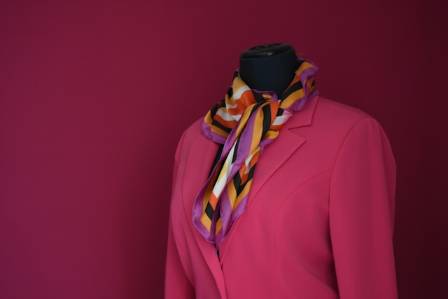
Women’s professional attire is available in a diverse array of silhouettes, shades, and materials. Developing a deep understanding of these elements ensures you select the most effective ensemble for your specific professional goals. Whether your role involves executive leadership, hosting educational seminars, or managing high-level client relations, the right suit serves as a visual indicator of authority. For centuries, tailored clothing has been synonymous with leadership. This tradition evolved from the early doublets of the late 16th century to the structured jackets and trousers that have defined professional life for the past two hundred years. In the early 20th century, the concept of the business suit for women gained mainstream traction, and today it remains a fundamental component of the professional wardrobe.
Selecting the Right Silhouette
The most authoritative professional suits feature crisp, structured lines designed to project an image of competence without drawing undue attention to the wearer’s physique. These minimalist, high-formality designs are intended to keep the focus entirely on the objective at hand. Such attire is essential for legal proceedings, significant financial negotiations, or when interacting with practitioners in traditional sectors like banking, law, and corporate finance.
Suits that feature unique decorative elements or avant-garde cuts are more appropriate for industries where originality is valued. In fields such as event management, interior design, or non-profit fundraising, the objective is to maintain a professional appearance while subtly highlighting creative flair. Conversely, garments with overtly soft or body-conscious shapes, such as fluted hemlines or tight fits, should be reserved for social functions like luncheons or private celebrations rather than the office.

The Impact of Color Choices
In the most conservative professional environments, a palette of black, navy, charcoal, and chocolate brown is standard. While vibrant shades like green or red are permissible, it is important to consider that highly saturated colors can be visually taxing for an audience during long presentations. In these formal settings, a monochromatic look—where the blazer and the skirt or trousers are identical—is the preferred choice.
For more creative or less traditional workplaces, a broader spectrum of colors such as teal, plum, rust, or salmon is generally acceptable. However, it is wise to avoid neon or excessively bright tones to ensure your professional credibility remains intact. While suit separates can be mixed in these environments, always remember to have the pieces dry-cleaned together to prevent uneven color fading. Pastel shades like lavender, soft pink, and pale yellow project a very delicate image and are better suited for weddings or religious services than for business meetings.
Fabric and Material Considerations
Executive-level professional suits are typically crafted from high-quality natural fibers, such as fine wool or silk. While synthetic blends are common, the quality of the textile should generally correspond to your professional standing or the caliber of your clientele. Discerning professionals recognize and appreciate superior materials, and dressing in high-grade fabrics establishes a sense of shared standards. Classic silhouettes rendered in premium textiles are a reliable investment for long-term career success.
Textured fabrics like tweed, as well as cotton or denim, are better suited for casual or artistic business settings. Even in these fields, it is important that the garment does not overshadow the person; if an outfit is too distracting, it may hinder the business at hand. Finally, materials such as lace or metallic weaves are strictly social and should be avoided in any professional context. By aligning your suit's style, color, and fabric with your specific environment, you can master the art of dressing for professional achievement.

यह भी पढ़ें

Exploring the Universe Through Radio Waves
Adrian Blake

6 सबसे प्रसिद्ध तेल चित्रकारी
वंदना

विदेशी प्रभावों से प्रेरित असाधारण इमारतें
प्रफुल्ल

Comprehensive Guide to Culinary Plums: Preparation and Recipes
Vincent Miles Stratton

10 Notable Scientific Breakthroughs in 2023
Natalie
A Comprehensive Guide to Selecting Women’s Underlayers: Enhancing Every Silhouette
Ethan Caldwell Mercer