विशेष लेख
The Evolution of Robotic Animals: From Ancient Automata to Modern Companions
While modern discussions about robotics often center on humanoid figures or advanced artificial intelligence, the human obsession with self-operating machines has existed for millennia. For centuries, inventors have focused on replicating the animal kingdom through mechanical engineering. Long before the term "robot" was coined in a 20th-century play—derived from a Slavonic word meaning "forced labor"—these creations were known as automata, a Greek term referring to objects that act of their own volition.
Brandon Cole Waverly
लेखक
लेख परिचय
नीचे पूरा लेख पढ़ें।
अनुभाग
समाचार
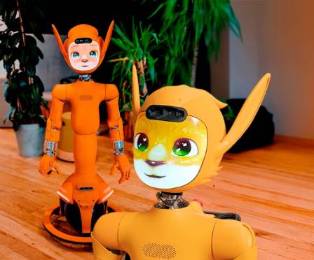
Mechanical Creatures Throughout History
While modern discussions about robotics often center on humanoid figures or advanced artificial intelligence, the human obsession with self-operating machines has existed for millennia. For centuries, inventors have focused on replicating the animal kingdom through mechanical engineering. Long before the term "robot" was coined in a 20th-century play—derived from a Slavonic word meaning "forced labor"—these creations were known as automata, a Greek term referring to objects that act of their own volition.
The history of these devices stretches back as far as 400 BC, when Archytas of Tarentum reportedly built a steam-powered wooden pigeon capable of flight. Centuries later, during the Renaissance, Leonardo da Vinci applied his genius to the field by constructing at least one mechanical lion for the King of France. While the original device has been lost to time, historical accounts suggest it could walk and move its head independently. Modern recreations based on Da Vinci’s surviving mechanical sketches demonstrate the high level of sophistication these early inventors achieved.
The Rise of Entertainment and Whimsical Automata
During the late 19th and early 20th centuries, mechanical animals became a significant trend in consumer entertainment, particularly in France. Manufacturers like Bontems specialized in incredibly realistic singing birds housed in brass cages. These devices utilized complex clockwork and music boxes to mimic the head movements, beak actions, and intricate songs of real songbirds, which were popular pets at the time.
Other French firms, such as Roullet & Decamps, produced more playful and imaginative automata. Their catalog included rabbits that popped out of cabbages, violin-playing hares, and even jumping tigers. These whimsical creations were essential in gaining public acceptance for mechanical lifeforms, shifting the perception of robots from purely industrial tools to objects of joy and domestic curiosity.
From Curiosities to Scientific Milestones
By the mid-20th century, animal-inspired robotics began to serve scientific purposes. In the late 1940s, neurophysiologist William Grey Walter created two autonomous "tortoises" named Elmer and Elsie. These were among the first robots to exhibit true autonomous behavior. Equipped with light sensors and artificial neural networks, they could navigate around obstacles and even return to a charging station when their batteries were low.
Today, the field of biomimicry continues this tradition by designing robots that replicate the efficiency of animal movements. These machines are used to traverse terrain that is impassable for humans, assisting in manufacturing and critical search-and-rescue operations. Furthermore, robotic models of winged or multi-legged creatures allow scientists to test evolutionary theories regarding flight and locomotion in a controlled, physical environment.
The Emotional Connection and Therapeutic Benefits
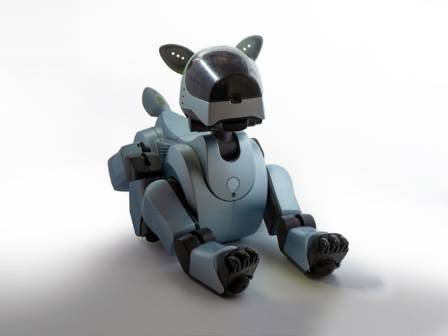
The late 1990s marked a surge in virtual and robotic pets, highlighted by the global success of the Tamagotchi. Although it was a digital entity, the toy demonstrated that humans could form deep emotional bonds with non-living creatures. This paved the way for more advanced interactive toys, though modern "smart" toys—which utilize machine learning and internet connectivity—have introduced new concerns regarding data privacy and security that did not exist with purely mechanical ancestors.
Beyond entertainment, robotic animals are now proving their worth in the medical field. Specialized companion pets, such as robotic cats and dogs, are increasingly used in elder care. For patients living with Alzheimer’s or dementia, these interactive machines provide the therapeutic benefits of a living pet—reducing stress and anxiety—without the safety risks or the logistical burden of caring for a live animal. These developments highlight a fundamental human instinct to nurture, proving that our connection to the mechanical world is as much about emotion as it is about engineering.
यह भी पढ़ें

सीगल के बारे में 4 तथ्य जो आपको इन निर्दयी चिप चोरों से प्यार करने पर मजबूर कर देंगे
अर्चना

क्या पिज़्ज़ा हेल्दी है? पिज़्ज़ा पसंद करने वालों के लिए न्यूट्रिशन टिप्स
उर्वशी

Compelling Facts About Iconic Murals
Ethan Walker

आपकी नौकायन छुट्टी के लिए सबसे खूबसूरत समुद्र
आरोही

Colorful French Macarons
Leo Carter

अपना खुद का बोतल गार्डन कैसे बनाएं- DIY बंद टेरारियम
चेतन