← मुखपृष्ठ3 मिनट का पाठ
विशेष लेख
Mastering the Slam Dunk in Basketball
A powerful slam dunk is the most electrifying way to score in basketball. However, not every athlete possesses the physical traits needed to pull it off. This guide breaks down the essentials of dunking—from technique to training—so you can elevate your game, quite literally.
M
Maya Ellington
लेखक
लेख परिचय
नीचे पूरा लेख पढ़ें।
अनुभाग
समाचार
A powerful slam dunk is the most electrifying way to score in basketball. However, not every athlete possesses the physical traits needed to pull it off. This guide breaks down the essentials of dunking—from technique to training—so you can elevate your game, quite literally.
What Is a Dunk in Basketball?
A dunk is a high-impact move where a player leaps and thrusts the ball directly into the hoop without releasing it into the air. Often referred to as a "slam dunk," this maneuver demands both vertical explosion and control. The rim stands at 10 feet (3.05 meters), making dunking a physical feat not all players can achieve.
Though it's worth the same as any two-point field goal, a dunk can shift momentum, energize a team, and intimidate defenders due to its sheer dominance.
Why Dunking Matters on the Court
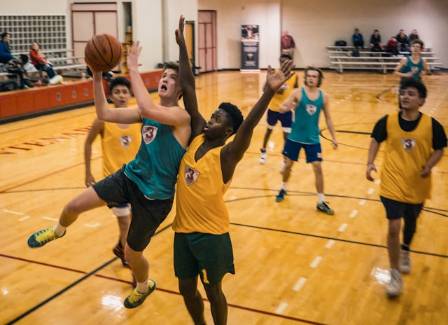
Adding a dunk to your offensive toolkit offers several advantages:
-
Offensive Power: Dunking allows players to bypass defenders and finish strong near the rim.
-
Commanding Presence: Dunking often earns players immediate respect from teammates and rivals alike.
-
Enhanced Versatility: Learning to dunk builds new motor patterns that can improve overall offensive movement.
How to Start Dunk Training
Lower the Rim for Initial Practice
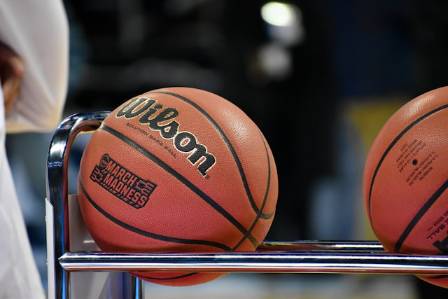

Start by practicing on a basket set below the regulation height. This helps build confidence and technique gradually before progressing to the standard 10-foot goal.
Use a Smaller Basketball
Smaller balls are easier to grip and maneuver, allowing beginners to focus on jumping mechanics without worrying about ball control. Eventually, transition to a regulation-size ball once you're comfortable.
Begin With One-Handed Dunks
Although two-handed dunks look impressive, one-handed dunks are easier to learn for most players. Once you've mastered single-hand slams, work toward incorporating both hands.
Finding the Right Jump Technique
Players typically jump using one of two approaches, each with distinct benefits:
One-Leg Takeoff
This technique involves launching off one foot, usually at full speed, similar to executing a layup.
-
Pros:
-
Covers more distance in the air
-
Harder to defend due to quick execution
-
Seamlessly transitions from sprinting
-
-
Cons:
-
Requires exceptional control and grip strength
-
Can stress the knees since one leg bears the full load
-
This approach suits agile, lighter athletes who rely on speed and fluid motion.
Two-Foot Takeoff
Jumping off both feet allows more time to generate force, often from a stationary position or a short run-up.
-
Pros:
-
More power and stability
-
Lower joint impact
-
Easier for heavier or older players to perform
-
-
Cons:
-
Slower execution gives defenders more time to react
-
More difficult to perform in fast-break situations
-
This method is ideal for players who rely on strength and control over explosive speed.
Training Focus: Ball Control and Vertical Jump
Improve Ball HandlingControlling the ball during a dunk attempt is crucial. While airborne, you need excellent grip and coordination. Drills such as fingertip control, dribbling under pressure, and ball switches can enhance your in-air confidence.
Build Jumping Strength
To boost your leap, target the lower body—especially hips, glutes, and thighs. Try:
-
Squats (bodyweight or weighted)
-
Lunges
-
Plyometric drills
-
Resistance training focused on explosive movements
These exercises develop the power needed to lift off with force and control.
Can Shorter Players Dunk?
While being tall and lightweight helps, vertical ability is the most important factor in dunking. Shorter athletes with strong lower-body muscles and low body fat can still achieve impressive dunks with proper training.
During the 2000 Olympics, Vince Carter (6'6"/1.98m) leapt over France’s 7'2" (2.18m) Frédéric Weis to deliver an unforgettable slam. Despite not being exceptionally tall by professional basketball standards, Carter’s leap became iconic, showcasing what elite vertical ability can accomplish.
Final Tip: Gear Matters
While technique is key, the right outfit—especially lightweight, breathable jerseys and shoes with solid ankle support—can aid your training and performance. Choose apparel that allows for full movement and doesn't restrict your jump.
By mastering your technique, refining your physical capabilities, and staying consistent with training, the slam dunk can become a valuable and thrilling weapon in your basketball skillset.
यह भी पढ़ें

hi
आवश्यक आधुनिक सुपरकारें: दुनिया के सर्वश्रेष्ठ प्रदर्शन वाहनों के लिए एक मार्गदर्शिका
माला बंसल

hi
स्मार्टवॉच की दुनिया में आवश्यक अंतर्दृष्टि
वीरेंद्र डांगी

en
Identifying Celestial Objects: A Guide to Space Rocks
Thaddeus Cole

hi
सम्राट पेंगुइन के बारे में शीर्ष 10 तथ्य
आद्या

en
Visions of the Deep: A Journey Through Centuries of Marine Illustration
Cassandra Reed

hi
सिंगापुर को एक नए नजरिए से देखने के लिए 6 सर्वश्रेष्ठ टूर
लता