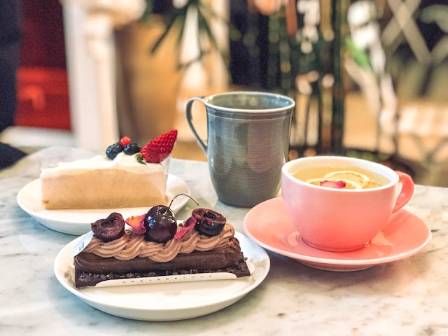
Afternoon tea is more than just a meal—it’s a cherished cultural ritual that blends comfort, elegance, and connection. Originating in 19th-century England when Anna Russell, the 7th Duchess of Bedford, grew peckish between lunch and dinner, this tradition has evolved into a global phenomenon, celebrated for its ability to turn ordinary afternoons into memorable moments. Whether you’re hosting a intimate gathering with friends, enjoying a solo retreat, or impressing guests with a refined spread, the key to a perfect afternoon tea lies in balancing savory and sweet, classic and creative. From buttery scones to delicate finger sandwiches, each dish plays a role in crafting a harmonious experience that tantalizes the taste buds and nourishes the soul. Below, we explore the 10 best dishes to serve with afternoon tea, delving into their history, preparation tips, and creative twists to help you curate a spread that feels both timeless and fresh.
Scones: The Cornerstone of Afternoon Tea
Scones are the undisputed star of any afternoon tea spread, beloved for their light, fluffy texture and versatile nature that pairs seamlessly with sweet and savory accompaniments. With roots tracing back to 16th-century Scotland, these quick breads have evolved from simple wheat-based cakes to a beloved staple, with regional variations across the UK—from the smaller, denser Scottish scones to the larger, flakier English versions. The magic of a perfect scone lies in its simplicity: a base of flour, baking powder, cold butter, milk, and a touch of sugar, mixed just enough to form a dough (over-mixing leads to tough, dense results). For optimal texture, ingredients should be kept cold—chilled butter creates pockets of air that expand during baking, resulting in a crumbly, melt-in-your-mouth interior. Served warm from the oven, scones are traditionally slathered with clotted cream and jam (the age-old debate of “cream first or jam first” persists, with Devonshire favoring cream first and Cornwall jam first). Modern twists include adding dried fruit (currants, raisins), citrus zest, or even cheese (for savory scones), making them adaptable to any palate. Whether plain or flavored, scones remain the heart of afternoon tea, offering a comforting bite that sets the tone for the entire experience.
Lemon Curd: A Tangy-Sweet Elevation
Lemon curd is a bright, creamy spread that adds a burst of citrusy sweetness to afternoon tea, balancing the richness of scones and cream with its zesty tang. Originating in England in the 19th century, this versatile condiment was initially a way to preserve lemons, but its delicious flavor quickly made it a staple in tea time spreads. Made by cooking fresh lemon juice, zest, sugar, butter, and eggs until thick and smooth, lemon curd boasts a velvety texture and intense lemon flavor—sweet enough to satisfy a sweet tooth, yet tart enough to cut through richness. The key to perfect lemon curd is slow cooking over low heat to prevent the eggs from scrambling, resulting in a silky consistency that spreads easily. While it’s traditionally served on scones or toast, lemon curd’s versatility shines in countless other ways: use it as a filling for cakes, tarts, or macarons, swirl it into yogurt or oatmeal, or top it with fresh berries and whipped cream for a simple dessert. For an extra layer of flavor, add a pinch of sea salt, a splash of vanilla extract, or even a hint of ginger, elevating this classic spread to new heights.
Clotted Cream: Indulgent Richness
Clotted cream is the ultimate indulgence in afternoon tea, offering a thick, luxurious texture and rich, buttery flavor that complements scones and jam perfectly. Hailing from the southwest of England (Devon and Cornwall are famous for their traditional clotted cream), this delicacy is made by slowly heating whole milk in a shallow pan, then allowing it to cool and settle for several hours—this process allows the cream to rise to the top, forming a thick, golden layer that’s skimmed off and chilled. The result is a cream with a fat content of around 55-60%, giving it a dense, spreadable texture that’s far richer than whipped cream. Clotted cream’s flavor is subtly sweet and nutty, with a hint of caramelization from the slow heating process. While it’s most commonly paired with scones and jam, it also shines as a topping for fruit tarts, crumbles, or even ice cream, adding a touch of decadence to any dessert. For those looking to make it at home, patience is key: using high-quality whole milk and avoiding stirring during heating ensures the cream clots properly. Whether store-bought or homemade, clotted cream is a non-negotiable element of a traditional afternoon tea, turning a simple scone into a luxurious treat.
Finger Sandwiches: Savory Sophistication
Finger sandwiches are the savory foundation of afternoon tea, offering a light, delicate bite that precedes the sweeter treats. These dainty sandwiches are typically made with thinly sliced white bread (crusts removed for elegance), but modern variations include whole wheat, sourdough, or even herb-infused bread, catering to diverse dietary preferences. The fillings are traditionally light and subtle, designed to be eaten in one or two bites without overwhelming the palate. Classic options include cucumber with cream cheese and dill (a refreshing, crisp choice), egg salad with chives (creamy and savory), smoked salmon with cream cheese and lemon (rich and briny), and ham with mustard (hearty yet balanced). The key to perfect finger sandwiches is thin, even slices of bread and a light hand with fillings—overstuffing can make them messy to eat. For a creative twist, experiment with global flavors: try avocado and cherry tomato with a sprinkle of chili flakes, roasted vegetable and hummus, or even Korean kimchi with chicken for a spicy kick. Cutting the sandwiches into small shapes (triangles, rectangles, or even circles with a cookie cutter) adds a playful touch, making them visually appealing as well as delicious. Finger sandwiches are not only tasty but also practical, offering a savory contrast that prepares the palate for the sweet treats to come.
Fruit Tarts: Fresh and Vibrant
Fruit tarts are a colorful, refreshing addition to afternoon tea, combining buttery pastry, creamy filling, and fresh seasonal fruits for a balanced sweet treat. The base of a classic fruit tart is a crisp, flaky shortcrust pastry shell, filled with a smooth, creamy custard (crème pâtissière) or cream cheese filling, then topped with an array of fresh fruits—strawberries, raspberries, blueberries, kiwi, mango, or grapes, depending on the season. The combination of buttery pastry, rich filling, and tangy-sweet fruit creates a harmonious flavor profile that’s not overly heavy, making it perfect for afternoon tea. To elevate a fruit tart, use high-quality pastry (homemade or store-bought, but fresh is best) and ripe, in-season fruits for maximum flavor and visual appeal. A glaze of apricot jam (heated and strained) brushed over the fruit adds a glossy finish and helps keep the fruits fresh. For a modern twist, try adding a layer of chocolate ganache under the custard, or use exotic fruits like passion fruit or dragon fruit for a unique twist. Fruit tarts are not only delicious but also visually stunning, adding a pop of color to your tea spread and impressing guests with their elegance.
Chocolate Truffles: Decadent Bite-Sized Luxury

Chocolate truffles are a luxurious, indulgent treat that adds a touch of sophistication to any afternoon tea spread. Named for their resemblance to truffles (the rare, earthy fungi), these bite-sized confections are made with a rich chocolate ganache center (typically a mixture of dark, milk, or white chocolate and heavy cream) rolled into balls and coated in cocoa powder, powdered sugar, nuts, or melted chocolate. The texture of a good truffle is silky and creamy, melting in your mouth to release intense chocolate flavor. Dark chocolate truffles offer a deep, complex flavor with hints of bitterness, while milk chocolate truffles are smoother and sweeter, and white chocolate truffles are creamy and delicate. To elevate truffles, experiment with flavor infusions: add a splash of vanilla extract, a pinch of sea salt, a drizzle of caramel, or even a hint of spice (cinnamon, cardamom, or chili) to the ganache. Coating options are endless too—try crushed pistachios, shredded coconut, or a dusting of matcha powder for a unique twist. Truffles are perfect for afternoon tea because they’re small enough to enjoy without feeling overly full, and their rich flavor pairs beautifully with a cup of black tea or herbal infusions (like peppermint or chamomile) that cut through the sweetness. Whether homemade or store-bought, chocolate truffles are a decadent addition that will make your tea time feel extra special.
Shortbread Cookies: Buttery and Crisp
Shortbread cookies are a classic afternoon tea treat, beloved for their simple, buttery flavor and crisp, crumbly texture. Originating in Scotland, these cookies are made with just three ingredients—flour, butter, and sugar—yet their simplicity is part of their charm. The key to perfect shortbread is using high-quality butter (unsalted, for control over saltiness) and a ratio of ingredients that emphasizes butter (typically twice as much butter as sugar, and three times as much flour as sugar). This results in a cookie that’s crisp on the outside, slightly crumbly on the inside, and packed with buttery flavor. Shortbread is traditionally cut into fingers (hence the name “shortbread fingers”) or rounds, but modern variations include shapes like stars, hearts, or even animal shapes for a playful touch. To elevate shortbread, add flavorings to the dough—lemon zest, almond extract, vanilla bean paste, or even chocolate chips—without compromising the classic texture. Dipping one end of the cookie in melted chocolate (dark, milk, or white) and sprinkling with chopped nuts, sprinkles, or sea salt adds a decorative and flavorful touch. Shortbread cookies are perfect for afternoon tea because they’re not overly sweet, making them a great pairing for both black tea and herbal teas, and their crisp texture provides a satisfying contrast to softer treats like scones and truffles.
Tea Cakes: Light and Fluffy Indulgences
Tea cakes are a gentle, comforting addition to afternoon tea, offering a light, fluffy texture and subtle sweetness that pairs perfectly with a cup of tea. These small, round cakes are typically made with flour, sugar, butter, eggs, and milk, with flavorings like vanilla, lemon, or almond extract adding depth. Unlike heavy cakes, tea cakes are designed to be delicate and not overly rich, making them ideal for eating with tea without feeling weighed down. Traditional tea cakes are often served plain, dusted with powdered sugar, or topped with a thin layer of icing, but modern variations include adding fresh fruit (like blueberries or raspberries) to the batter, or swirling in jam for a burst of flavor. To elevate tea cakes, serve them warm from the oven with a dollop of whipped cream or clotted cream, or top them with fresh berries and a drizzle of honey for a natural sweetness. For a savory twist, add a pinch of herbs (like thyme or rosemary) to the batter and serve with a side of soft cheese. Tea cakes are versatile, easy to make, and perfect for sharing, making them a wonderful addition to any afternoon tea spread—whether you’re hosting a large party or enjoying a quiet moment alone.
Quiche: Savory Elegance for Tea Time
Quiche is a savory French dish that adds a touch of elegance and heartiness to afternoon tea, offering a satisfying alternative to sweet treats. Made with a pastry crust filled with a mixture of eggs, cream (or milk), cheese, and various fillings (meat, vegetables, or seafood), quiche can be served hot or cold, making it a flexible option for tea time. The key to a perfect quiche is a flaky, buttery crust (shortcrust or puff pastry works well) and a creamy, set filling that’s not runny. Classic quiche fillings include quiche Lorraine (bacon, onions, and Gruyère cheese), spinach and feta, ham and cheddar, and mushroom and Swiss. For a lighter version, use a combination of eggs and milk instead of heavy cream, or add more vegetables to increase the nutritional value. Quiche is perfect for afternoon tea because it’s substantial enough to satisfy hunger but not overly heavy, and its savory flavor complements the sweetness of other treats. Serve small, individual quiches (mini quiches) for easy eating, or cut a larger quiche into small slices. Whether homemade or store-bought, quiche adds a touch of sophistication to your tea spread and caters to guests who prefer savory over sweet.
Crumpets: Toastable Comfort
Crumpets are a beloved English treat that brings warmth and comfort to afternoon tea, with their soft, spongy texture and slightly sweet, yeasty flavor. These round, flat breads are made with a yeasted batter that’s cooked on a griddle or in a crumpet ring, resulting in a surface covered with small holes (formed by the release of carbon dioxide during cooking) that soak up butter, jam, or other toppings perfectly. Crumpets are typically served toasted until golden and crisp on the outside, then slathered with butter that melts into the holes, creating a deliciously rich and comforting bite. Traditional toppings include jam, honey, or clotted cream, but modern variations include savory options like smoked salmon and cream cheese, bacon and egg, or avocado and poached egg. For a sweet twist, try spreading Nutella, peanut butter, or lemon curd on toasted crumpets, or topping them with fresh berries and whipped cream. Crumpets are easy to make at home (though they require time for the yeast to rise) or can be found in most grocery stores, making them a convenient addition to any afternoon tea spread. Their soft, chewy texture and versatility make them a hit with both kids and adults, adding a cozy, homey touch to your tea time.
Conclusion: Crafting Your Perfect Afternoon Tea Spread

Afternoon tea is a celebration of comfort, connection, and delicious food, and the dishes you choose to serve play a crucial role in creating a memorable experience. From the classic combination of scones, clotted cream, and jam to creative twists on finger sandwiches, fruit tarts, and truffles, the 10 dishes outlined above offer a perfect balance of savory and sweet, traditional and modern, ensuring there’s something for everyone to enjoy. Whether you’re hosting a formal tea party or enjoying a quiet afternoon alone, the key is to choose high-quality ingredients, experiment with flavors and textures, and serve with intention—after all, afternoon tea is as much about the experience as it is about the food. So gather your favorite dishes, brew a pot of your preferred tea, and savor the moment—whether you’re laughing with friends, reading a book, or simply taking a break from the chaos of daily life. With these essential dishes, your afternoon tea is sure to be a delightful, unforgettable occasion.