← मुखपृष्ठ3 मिनट का पाठ
विशेष लेख
9 Fascinating Facts About Blue-Footed Boobies
With their vivid turquoise feet and uncoordinated waddles on land, blue-footed boobies (Sula nebouxii) are instantly recognizable seabirds found along the Pacific coasts of Central and South America. While often seen perched lazily near shorelines, these birds are skilled hunters and agile fliers. Found most commonly in the Galápagos Islands, Mexico’s Gulf of California, and coastal regions of Peru, they’re a standout among the six booby species that make up the Sula genus.
H
Hannah Price
लेखक
लेख परिचय
नीचे पूरा लेख पढ़ें।
अनुभाग
समाचार
With their vivid turquoise feet and uncoordinated waddles on land, blue-footed boobies (Sula nebouxii) are instantly recognizable seabirds found along the Pacific coasts of Central and South America. While often seen perched lazily near shorelines, these birds are skilled hunters and agile fliers. Found most commonly in the Galápagos Islands, Mexico’s Gulf of California, and coastal regions of Peru, they’re a standout among the six booby species that make up the Sula genus.
Here are nine curious and captivating facts about these blue-footed birds.
1. The Origin of Their Name
The term “booby” comes from the Spanish word bobo, meaning fool or clown. Early sailors gave them this name due to the birds’ fearless behavior and awkward movements on land, which made them easy to catch.
2. The Science Behind Their Blue Feet
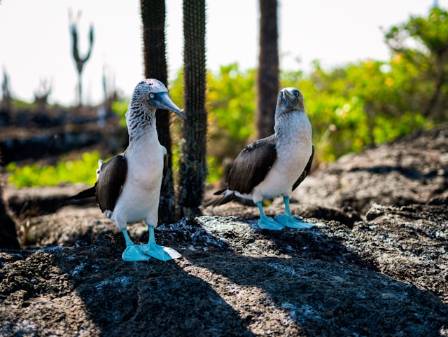
That dazzling blue hue isn’t just for show—it’s actually a sign of good health. The color comes from carotenoid pigments derived from their fish-heavy diet. The richer the blue, the better nourished the bird is, which makes foot color a key factor in courtship.
3. What’s on the Menu?
Blue-footed boobies primarily feed on fish like sardines, anchovies, mackerel, and flying fish. They’re also known to occasionally eat squid. Hunting in flocks, they perform dramatic plunge-dives from heights up to 100 feet and can reach depths of nearly 80 feet underwater. Special air sacs in their skull help cushion the impact and protect their brains during dives.
4. A Dance of Bright Feet
During mating season, the male puts on a visual performance to attract a mate. He lifts his feet high in an exaggerated march, drawing attention to their vibrant blue color. If the female is impressed, the pair engages in a synchronized courtship display that includes head tilts, wing spreads, and beak pointing.
5. Environmental Pressures
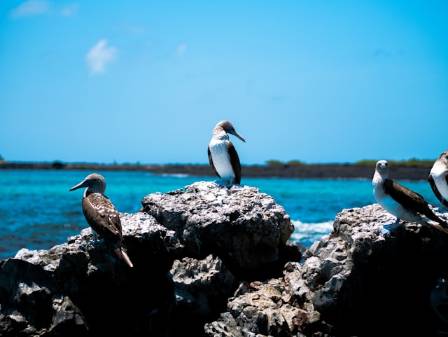
These seabirds, like many marine species, are increasingly threatened by environmental changes. Rising ocean temperatures and acidification affect the availability of fish, their primary food source. These shifts in ocean ecosystems could have long-term impacts on their survival.
6. Males vs. Females
There are a few physical differences between the sexes. Females tend to be slightly larger and can dive deeper, while males often have bigger tails and smaller pupils. Interestingly, female boobies often sport more intensely colored feet than males.
7. Ground-Level Nesting Habits
Rather than building nests in trees or cliffs, blue-footed boobies lay their eggs directly on bare ground. Both parents take turns warming the eggs with their webbed feet. Typically, only one or two chicks survive from the two or three eggs that are laid. The area around the nest becomes marked with a white ring of droppings, known as guano.
8. Keeping Their Cool
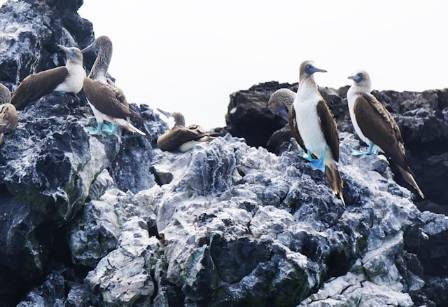
To avoid overheating, blue-footed boobies use two unusual strategies. One involves rapidly vibrating their throat muscles to cool down through evaporation. The other is called urohidrosis—a method where they release waste onto their feet, helping regulate body temperature through moisture evaporation.
9. Vocal Conversations
These birds are far from silent. They produce a variety of sounds, including high-pitched whistles and grunts. Each booby has a unique voice, and mates are able to recognize each other’s calls amid the noisy environment of a crowded colony.
From their striking appearance to their resourceful behaviors, blue-footed boobies are much more than their name suggests. Their quirks, intelligence, and ecological importance make them a vital part of the coastal marine environment.
यह भी पढ़ें

hi
रेखाचित्र बनाने की कला में महारत हासिल करने के लिए एक शुरुआती मार्गदर्शिका
सुचित्रा पाल

en
A Comprehensive Guide to Selecting Women’s Underlayers: Enhancing Every Silhouette
Ethan Caldwell Mercer

hi
दुनिया के 10 सबसे खूबसूरत पहाड़
अक्षरा

en
Iconic Floral Still Lifes You Need to Know
Cassandra Vale

hi
अल्पाका के बारे में 15 बातें जो शायद आप नहीं जानते होंगे
चिराग

en
Top 10 Most Expensive Luxury SUVs
Bob