Lions, tigers, and bears—oh, the sun bear! Often overshadowed by its larger cousins like the grizzly or polar bear, the sun bear (Helarctos malayanus) holds the title of the world’s smallest bear species, yet it’s packed with unique traits and fascinating behaviors that make it stand out. A few years ago, a captive sun bear in China went viral for its uncanny human-like stance, sparking rumors of a “person in a costume”—but this diminutive mammal is entirely real, with a set of remarkable adaptations that help it thrive in the dense tropical forests of Southeast Asia. From its signature chest marking to its record-breaking tongue, the sun bear is a testament to nature’s creativity. Let’s dive into the life of this elusive, endearing bear and uncover what makes it so special.
Physical Characteristics & Distinct Traits
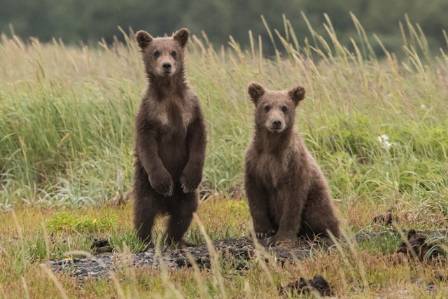
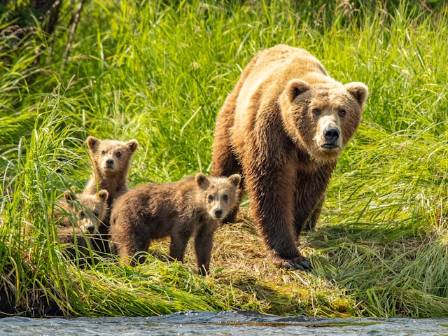
The sun bear’s most striking feature is its size: when standing upright on its hind legs, it reaches just 4.5 feet (54 inches) tall—about the height of a nine-year-old child—and weighs between 55 and 143 pounds, roughly the same as a medium-sized dog. This makes it drastically smaller than other bear species: black bears can stand up to seven feet tall, while brown bears tower at nine feet on their tiptoes. Sun bears have a compact, stocky build with short, sleek fur that ranges from jet black to deep reddish-grey, perfectly camouflaging them in the shadowy forest undergrowth. Their most iconic trait is the distinctive orange, cream, or golden patch of fur on their chests, which varies in shape from a crescent to a circle—this “sunburst” marking is how they got their name. They also have several physical adaptations for forest life: large, curved claws (up to four inches long) for climbing and digging, small round ears that reduce heat loss, a short snout for navigating tight spaces, and inward-turned front feet that give them a firm grip on tree trunks. Unlike many bears, sun bears have no shoulder hump, and their chests are flattened, further enhancing their agility in the trees.
Habitat & Geographic Range
Sun bears are exclusively found in the lush tropical rainforests of Southeast Asia, where their small size and climbing skills make them perfectly suited to life among the trees. Their geographic range spans from northeastern India and Bangladesh in the north, through Myanmar, Thailand, Cambodia, Laos, Vietnam, Malaysia, and Singapore, to the Indonesian islands of Sumatra and Borneo in the south. They thrive in lowland forests, swamp forests, and montane forests up to 6,600 feet in elevation, as long as there is abundant tree cover and access to food sources. Tropical rainforests provide the sun bear with everything it needs: hollow logs for sleeping, fallen trees teeming with insects, and a wide variety of fruits. Unfortunately, this habitat is under severe threat—deforestation for palm oil plantations, logging, and agricultural expansion has fragmented their range, pushing many populations into isolated patches of forest where survival is increasingly difficult.
Diet & Foraging Behavior
Sun bears are opportunistic omnivores with an extremely varied diet, allowing them to adapt to the resources available in their forest home. While they have a particular fondness for fruits—including figs, mangoes, and durians—they also feed on insects (ants, termites, beetles), larvae, honey, nectar, small reptiles (lizards, snakes), birds’ eggs, and even carrion. Their foraging behavior is highly specialized: they use their powerful forelimbs and long, curved claws to tear apart fallen logs, rotting tree stumps, and termite mounds, exposing the insects and larvae inside. Their most remarkable tool for foraging is their tongue, which can reach nearly 10 inches long—earning them the Guinness World Record for the “Longest Bear Tongue.” This slender, sticky tongue is perfectly designed to scoop out honey from beehives (they’re often called “honey bears” for this reason) and extract termites from tiny crevices in wood. Sun bears forage primarily during the day, though they may be active at night in areas disturbed by humans. They have large home ranges—between two and eight square miles—because they need to cover significant ground to find enough food, especially during seasons when fruit is scarce.
Behavioral Traits & Lifestyle
Unlike many bear species, which can be aggressive when threatened, sun bears are gentle, shy, and reclusive by nature. They are solitary animals, except for mothers caring for their cubs, and they avoid conflict whenever possible. Attacks on humans are extremely rare and only occur if the bear is cornered, injured, or protecting its young. This timidity made them a target for the pet trade in the past, as some people sought to keep them as exotic companions—though their wild instincts make them poor pets. Sun bears are primarily arboreal, spending much of their time in trees: they sleep in hollowed-out logs or tree cavities at night, and during the day, they climb to forage for fruits or rest in the canopy. When exploring their surroundings, they may stand on their hind legs to get a better view or sniff the air, a behavior that contributes to their “human-like” appearance. They are also quite vocal, communicating through a range of sounds including grunts, snuffles, soft roars (similar to male orangutans during mating season), and short barks when surprised or alarmed.
Unique Adaptations for Survival
The sun bear’s success in the tropical rainforest is due to a set of unique adaptations that set it apart from other bears. First and foremost is its exceptional climbing ability: their inward-turned front feet, strong forelimbs, and flattened chests allow them to scale tall trees with ease, making them one of the most skilled climbers among all bear species. Unlike bears that live in temperate or Arctic regions, sun bears do not hibernate—this is because their tropical habitat provides a constant supply of food year-round, so they have no need to store fat and sleep through cold months. Another key adaptation is their long, sticky tongue, which is specialized for accessing hard-to-reach food sources like honey and termites. Their short fur also helps them stay cool in the hot, humid rainforest, while their dark coloration absorbs sunlight during cooler mornings. Additionally, sun bear mothers have a unique way of caring for their young: after a gestation period of about 95 days, they give birth to 1-2 blind, hairless cubs that weigh just 11 ounces (the size of a large apple). For the first few months, the mother carries her cubs in her arms or on her back, and she will even walk upright like a human to navigate through dense vegetation while protecting her offspring.
Conservation Status & Threats
Despite their remarkable adaptations, sun bears are facing a crisis: their populations have declined by an estimated 35% over the past 30 years, leading the International Union for Conservation of Nature (IUCN) to list them as “Vulnerable” on its Red List of Threatened Species. The primary threats to sun bears are habitat loss and fragmentation due to deforestation—Southeast Asia’s tropical rainforests are being cleared at an alarming rate for palm oil plantations, logging, and agriculture, destroying the sun bear’s natural habitat. Hunting is another major threat: in some regions, sun bears are considered pests because they raid crops, leading farmers to kill them. They are also hunted for their fur, meat, and body parts, which are used in traditional medicine—surveys in Malaysian traditional medicine stores in 2018-2019 found that 25% of shops sold sun bear parts, including gallbladders and paws. The illegal pet trade also takes a toll, as cubs are captured and sold as exotic pets, often after their mothers are killed. Climate change exacerbates these threats by altering rainforest ecosystems, reducing food availability, and increasing the frequency of wildfires.
Conservation Efforts & Hope for the Future
Thankfully, there is hope for sun bears, as conservationists, governments, and local communities work together to protect this iconic species. Legal protection is a key step: hunting, capturing, or killing sun bears is illegal in most countries within their range, except in Cambodia and Sarawak, Malaysia. Several conservation organizations are leading the charge, including the Bornean Sun Bear Conservation Centre (BSBCC) in Malaysia, which rescues orphaned and captive sun bears, rehabilitates them, and releases them back into the wild when possible. The BSBCC also conducts research on sun bear behavior and ecology and educates local communities about the importance of protecting these bears. International captive-breeding programs, involving zoos around the world, help maintain genetic diversity and provide a safety net for the species. Additionally, community-based conservation initiatives are crucial: working with local farmers to implement crop protection measures (such as electric fences) reduces human-bear conflict, while ecotourism projects provide alternative livelihoods that depend on preserving the forest. Sun bears play a vital role in their ecosystems: they disperse seeds through their feces, control insect populations, and create tree cavities that provide shelter for other animals like flying squirrels and hornbills. Protecting sun bears means protecting the entire rainforest ecosystem—and the countless species that depend on it.
Conclusion: Celebrating the World’s Smallest Bear
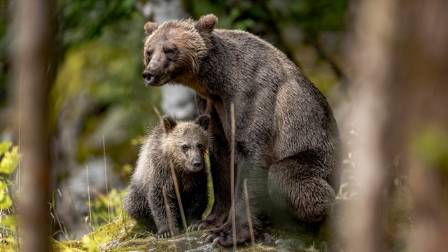
The sun bear may be small in size, but it’s big in personality and ecological importance. From its charming chest marking to its record-breaking tongue, this elusive bear is a reminder of the incredible diversity of life in Southeast Asia’s tropical rainforests. Yet, like many rainforest species, it faces an uncertain future due to human activity. By supporting conservation efforts, advocating for sustainable palm oil production, and raising awareness about the sun bear’s plight, we can help ensure that this unique species continues to thrive for generations to come. The sun bear’s story is not just about a small bear—it’s about the importance of protecting our planet’s wild places and the amazing creatures that call them home. Next time you think of bears, remember the sun bear: proof that great things really do come in small packages.