विशेष लेख
Crafting Refreshing Mangosteen Infusions: A Guide to Santol-ade
Discover a simple method for creating a vibrant, homemade beverage known as Santol-ade. This drink, derived from the exotic mangosteen, is packed with essential minerals like potassium and natural electrolytes. Often described as a tropical variation of sweet tea, it serves as an excellent natural remedy for dehydration and exhaustion caused by warm climates. Because fresh mangosteen is primarily found in equatorial regions like Southeast Asia or Hawaii, this infusion offers a rare and special taste of the tropics.
Landon Pierce
लेखक
लेख परिचय
नीचे पूरा लेख पढ़ें।
अनुभाग
समाचार
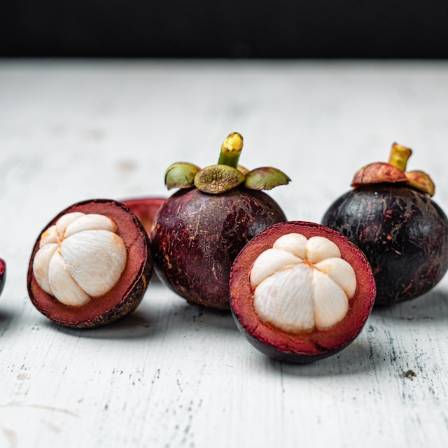
Discover a simple method for creating a vibrant, homemade beverage known as Santol-ade. This drink, derived from the exotic mangosteen, is packed with essential minerals like potassium and natural electrolytes. Often described as a tropical variation of sweet tea, it serves as an excellent natural remedy for dehydration and exhaustion caused by warm climates. Because fresh mangosteen is primarily found in equatorial regions like Southeast Asia or Hawaii, this infusion offers a rare and special taste of the tropics.
Understanding the "Queen of Fruit"
The mangosteen is a small, round fruit roughly the size of a tangerine, believed to have originated in the Indonesian Sunda Islands. It thrives in very specific, warm microclimates, which contributes to its status as a seasonal delicacy. The fruit features a thick, dark purple rind that protects several segments of soft, snowy-white flesh. While the interior is often enjoyed raw, the dense, reddish pulp of the outer casing is used to create the revitalizing drink detailed in this guide.
In many tropical regions, mangosteen is highly coveted. For instance, in Hawaii, the fruit is extremely seasonal, typically appearing in local markets between late summer and mid-autumn. While there was historically a ban on importing the fruit to the United States due to concerns over pests, modern agricultural treatments allowed for the lifting of these restrictions nearly two decades ago. Despite increased availability, the fruit maintains its reputation for being elusive and exclusive.
Identifying and Preparing Ripe Mangosteen
When selecting fruit, look for an outer shell that is firm and free of large cracks or weeping juice. A healthy, green cap of leaves at the top is a good indicator of freshness. Unlike other produce, the size of a mangosteen does not dictate its sugar content or quality; fruit the size of a lime or clementine is generally ideal. Keep unwashed fruit at room temperature for a few days, but once it is sliced open, the contents should be stored in the refrigerator and consumed quickly to avoid spoilage.
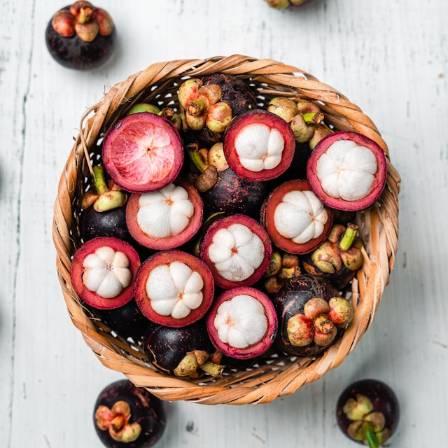
To access the fruit, remove the stem and leaves, then apply firm pressure to the top of the casing. Squeeze the sides until the shell fractures, allowing you to pull it apart and reveal the white segments inside. If the rind is too hard to break by hand, it may be a sign of age, in which case a small paring knife can be used to carefully wedge it open. The white segments contain seeds that should not be eaten, much like the pit of an olive.
The Art of Making Santol-ade
Utilizing the thick rinds of the mangosteen is an excellent way to practice zero-waste cooking while extracting maximum value from this premium fruit. Santol-ade is not only delicious but also serves as a fantastic post-workout recovery drink. It provides a more natural alternative to commercial sports drinks and can even be frozen into ice cubes to enhance smoothies or provide a cooling treat on humid days.
Essential Equipment
To prepare this infusion, you will need a large two-liter container, a sharp knife for dicing the tough rind, and a reliable cutting surface. If your pitcher does not have an integrated filter, you should also have a fine mesh strainer or a coffee filter available to clarify the liquid before serving.
Ingredients and Preparation Steps
The recipe requires four ripe mangosteens, one cup of sugar, and eight cups of water.
First, clean and open the fruit, setting aside the white inner segments for snacking. For the drink, focus on the red, woody rinds. Chop these casings into small, coin-sized pieces on your cutting board. This increases the surface area, allowing the water to more effectively pull flavor and nutrients from the pulp.
Next, place the chopped rinds into your pitcher and add three cups of water along with the sugar. Stir the mixture vigorously until the sugar has completely dissolved. Once blended, pour in the remaining five cups of water and stir again.
Place the pitcher in the refrigerator to steep for a minimum of four to six hours, though leaving it overnight results in a deeper flavor. As it rests, the water will take on a hue similar to apple cider. Before drinking, strain the liquid to remove the solid pieces of rind. This beverage is best enjoyed chilled or over ice and should be consumed within four days. If you find yourself with extra, freezing the liquid into popsicles is an ideal way to preserve its nutrient-dense properties.

यह भी पढ़ें

सिएटल स्पेस नीडल के बारे में 12 हैरान करने वाले फैक्ट्स
पार्थ

Snow Place Like Home: Winter Landscapes in Prints
Eleanor Whitmore

Distinctive Interior Styling Strategies for Luxury Villas
Sophie Isabelle Stratford

वास्तुकला हमारे जीवन को कैसे आकार देती है: हमारे दैनिक अनुभवों पर डिज़ाइन के प्रभाव पर एक नज़र
वेद

ट्रांग आन लैंडस्केप कॉम्प्लेक्स
कल्पना

तल्लाहसी की छतरीदार सड़कों का भ्रमण
सौरभ