विशेष लेख
Cheetah: Conservation Conundrum
“The lion will fight, the hyena will escape, and the leopard will hide, but the cheetah is easy to kill. It becomes a challenge for young men and their dogs.” — Maasai elder
William Stewart
लेखक
लेख परिचय
नीचे पूरा लेख पढ़ें।
अनुभाग
समाचार
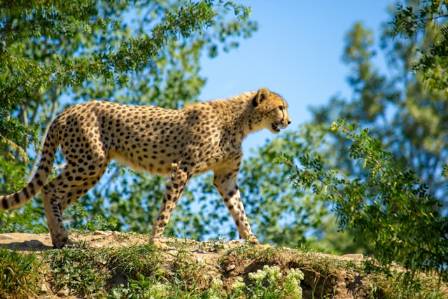
“The lion will fight, the hyena will escape, and the leopard will hide, but the cheetah is easy to kill. It becomes a challenge for young men and their dogs.” — Maasai elder
The Fastest Hunter on Earth
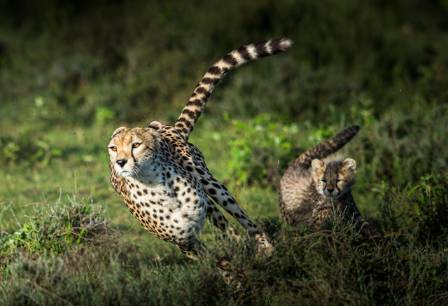
The cheetah is the fastest land animal in the world, but its remarkable speed evolved mainly for catching prey rather than escaping danger. Because cheetahs sometimes prey on livestock, many communities view them as a threat and some people are willing to hunt them in retaliation.
The Need for Vast Living Spaces
Cheetahs require enormous areas of land to survive. Some individual cheetahs have been recorded using territories larger than 3,000 square kilometers, while researchers estimate that a healthy cheetah population needs between 4,000 and 8,000 square kilometers of connected suitable habitat. Unfortunately, few protected areas in Africa are large enough to meet these requirements. As a result, around 77% of the world’s cheetahs are believed to live outside officially protected regions.
A Difficult Conservation Problem
With only about 7,100 cheetahs remaining worldwide, protecting the species has become a major conservation challenge. Simply creating protected areas is not enough, because many cheetahs spend most of their lives outside these boundaries, where encounters and conflicts with people are common.
Protecting Cheetahs Through Compensation
Big Life has developed a strategy called the Predator Compensation Fund to help reduce human-wildlife conflict. Through this program, livestock owners receive partial financial compensation for losses caused by wild predators. To qualify, they must provide evidence showing how the livestock died and which predator was responsible, while also agreeing not to harm predators in response.
By October of the reported year, the program had provided compensation for 319 livestock losses caused by cheetahs, representing an estimated economic loss of $20,750. After deductions related to poor livestock management practices, Big Life paid owners $13,256, covering approximately 64% of the total loss.
Positive Results for Cheetah Protection
Although livestock losses have continued, no cheetah deaths have been recorded in the areas where this compensation program operates. This demonstrates that reducing financial pressure on communities can help encourage coexistence between people and predators.
Other Threats Facing Cheetahs
Cheetahs face many additional dangers beyond human conflict. These include habitat destruction, illegal hunting for body parts, and trafficking through the illegal wildlife trade. Conservation groups are addressing these problems by securing land for wildlife protection and establishing intelligence networks to disrupt local wildlife trafficking activities.
Building a Future for Cheetahs
As human populations expand across Africa, finding ways to protect natural habitats while reducing conflicts between people and wildlife is becoming increasingly important. Creating incentives that encourage communities to preserve cheetah habitats and developing solutions for predator-related losses are essential for the species’ survival.
There is still much work ahead, but conservation efforts in places like Amboseli show that cooperation between humans and wildlife can provide hope for the future of this extraordinary predator.
यह भी पढ़ें

जॉर्ज वॉशिंगटन ब्रिज के बारे में 12 लंबे समय तक चलने वाले फैक्ट्स
शिवम्

दुनिया की 13 सबसे प्रतीकात्मक वास्तुकलाएँ जिन्हें हर छात्र को देखना चाहिए
रिया

Ultimate Cream Slices with Puff Pastry and Vanilla Cream
Ethan Carter
शरद ऋतु की सुनहरी रोशनी को कैद करना: एक चरण-दर-चरण जलरंग अध्ययन
भावेश गोहिल

जीप ऑफ-रोडिंग 101: कम यात्रा वाली सड़कों पर चलने की गाइड
श्वेता

Afternoon Tea Essentials: 10 Irresistible Dishes to Elevate Your Tea Time
Noah