विशेष लेख
Green Energy Sites Protect Threatened Plant Life
The desert landscape is far from empty and actually supports a wide variety of unique flora and fauna, including several highly sensitive vegetation types. Many of these low-growing desert species remain dormant beneath the surface until seasonal rains trigger a period of rapid growth and flowering. However, standard construction practices for clean energy infrastructure often involve clearing all existing greenery and leveling the earth, a process that severely damages underground seed supplies and disrupts the local ecology.
Joshua Ryan Garcia
लेखक
लेख परिचय
नीचे पूरा लेख पढ़ें।
अनुभाग
समाचार
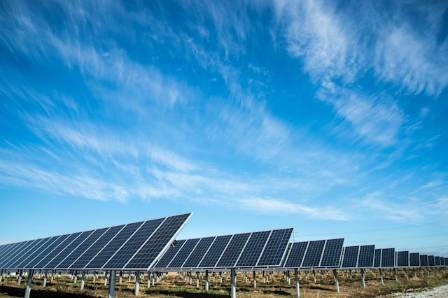
The desert landscape is far from empty and actually supports a wide variety of unique flora and fauna, including several highly sensitive vegetation types. Many of these low-growing desert species remain dormant beneath the surface until seasonal rains trigger a period of rapid growth and flowering. However, standard construction practices for clean energy infrastructure often involve clearing all existing greenery and leveling the earth, a process that severely damages underground seed supplies and disrupts the local ecology.
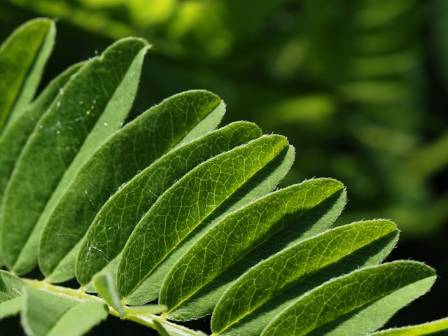
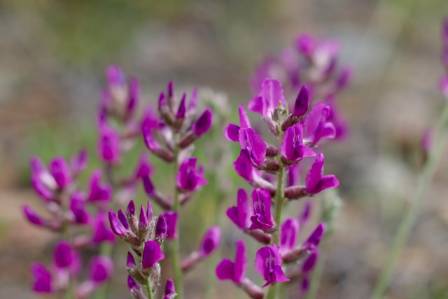
A recent environmental project near a major desert city demonstrated that a less destructive construction method can yield incredible results for conservation. Researchers discovered that leaving the surrounding soil intact allowed native seeds to survive the construction phase. In fact, a specialized study revealed that the population of a certain threatened ground plant multiplied significantly after the panels were installed. These plants grew much larger and produced more blossoms than those in undisturbed neighboring areas, likely because the overhead structures create shade that reduces moisture loss from the soil.
Coexistence of Technology and Conservation
This success provides strong evidence that clean energy infrastructure can be designed to support local wildlife. This sustainable methodology focuses on preserving the surrounding ecosystem rather than wiping it out. For instance, installation crews can actively reseed the ground with local grasses and wild blossoms to give the habitat a head start. These tailored seed combinations often thrive underneath the structures, drawing in beneficial insects, birds, and other animals.
In northern regions, multi-year ecological monitoring revealed a dramatic transformation when old farmland was transitioned into low-impact clean energy sites. Over a five-year timeframe, the variety of flowering vegetation increased significantly, and the population of pollinating insects tripled. The presence of native bees saw an even more massive surge. This spike in the insect population quickly attracted native birds and bats, which also utilized the structures to build nests and hide from predators, creating a healthier, more balanced food chain.
Overcoming Design Challenges for Ecosystem Balance
Achieving these positive ecological results requires a careful understanding of the specific needs of different vegetation. Sunlight requirements vary across species, with some plants preferring the brighter open pathways between rows, while younger, delicate sprouts find shelter in the deeper shade directly beneath the structures to avoid heat stress.
The height of the equipment is another critical design factor. Raising the panels higher off the ground allows larger native bushes to reach their full height, though it increases construction material expenses. Strategic heights also allow livestock to rotate through the area for managed grazing, which naturally controls unwanted weeds and lowers wildfire hazards by clearing away dry brush. Environmental scientists are actively collaborating with developers to determine the best seed selections and management practices for various equipment setups.
Alternative Approaches and Agricultural Integration
The traditional method of clearing away all vegetation leaves the earth vulnerable to severe wind erosion because the stabilizing root systems are destroyed. Once the original plants are gone, aggressive non-native weeds quickly take over the area, offering very little nutritional value to local pollinators.
In contrast, innovative land management allows agricultural production to occur alongside power generation. This combination creates a stable microclimate that protects vegetation from extreme temperature swings while using significantly less water than traditional open-field farming. Researchers are currently evaluating which high-value food crops perform best under these conditions to ensure that clean energy production can simultaneously enhance biodiversity, stabilize the food supply, and generate sustainable electricity.
यह भी पढ़ें

स्मार्टवॉच की दुनिया में आवश्यक अंतर्दृष्टि
वीरेंद्र डांगी

The Best Full-Size Pickup Trucks to Buy
Evelyn Hart

पारंपरिक थाई पोशाक: शैलियों, शिष्टाचार और प्राप्ति के लिए एक मार्गदर्शिका
सूरजलाल बागड़ा

Ten Flowers Symbolizing Energy: Dynamic Blossoms
Charlotte Ivy

परफेक्ट पॉपकॉर्न
अमित

अपने घर में कला के साथ कैसे सजाने के लिए
कायला