विशेष लेख
Famous Still Lifes in Art History
Still-life painting occupies a unique and important role in the history of art. It provides artists with the opportunity to study composition, color theory, and technique while embedding symbolic or metaphorical meaning into seemingly ordinary subjects.
Emma Martin
लेखक
लेख परिचय
नीचे पूरा लेख पढ़ें।
अनुभाग
समाचार
Still-life painting occupies a unique and important role in the history of art. It provides artists with the opportunity to study composition, color theory, and technique while embedding symbolic or metaphorical meaning into seemingly ordinary subjects.
From the fruit arrangements of the Renaissance to the expressive brushwork of the Post-Impressionists, still-life art has communicated ideas about life, mortality, and material culture. Although it has historically received less attention than portrait or historical painting, still-life practice has profoundly influenced artistic approaches and conceptual development.
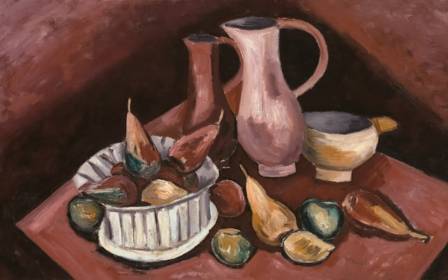
Flemish Still Life: Vanitas and Symbolism
During the 16th and 17th centuries, Flemish painters produced still lifes rich with allegorical meaning, exploring the transient nature of life, wealth, and pleasures. Pieter Claesz’s 1630 “Vanitas Still Life” is an iconic example, featuring objects such as skulls, extinguished candles, and timepieces to reflect life’s impermanence. Claesz’s skill in rendering light on polished surfaces and his meticulous attention to detail showcased the contrast between worldly beauty and the inevitability of death, conveying moral and philosophical reflections to viewers.
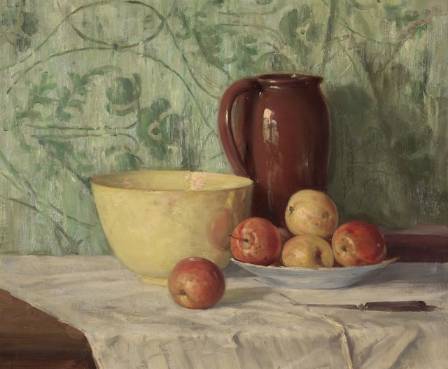
Paul Cézanne – Still Life with Apples (1895–1898)
Paul Cézanne, often called the “father of modern art,” transformed still-life painting by experimenting with form, perspective, and structure. In works like Still Life with Apples, he broke down objects into geometric shapes, laying the groundwork for Cubism. Cézanne’s compositions emphasized the construction and three-dimensionality of objects, using multiple brushstrokes and shifting perspectives to challenge traditional static representations. His approach elevated ordinary domestic items into studies of spatial depth and structural balance.
Vincent van Gogh – Sunflowers (1888–1889)
Vincent van Gogh’s Sunflowers series remains among the most celebrated still-life paintings. Created in Arles to decorate his friend Paul Gauguin’s living space, these works use vibrant yellows and thick, expressive brushstrokes to convey energy and emotion. Some of the sunflowers show wilting and decay, symbolizing the passage of time and impermanence. Van Gogh’s ability to imbue everyday objects with emotional resonance makes his still lifes enduringly compelling.
Édouard Manet – A Bunch of Asparagus (1880)
Édouard Manet helped transition still-life painting from strict Realism to Impressionism. In works like A Bunch of Asparagus, he applied rapid brushstrokes and subtle shifts in light and shadow, giving ordinary objects a sense of immediacy and vitality. Manet’s still lifes highlight his connection to contemporary life, showing that even simple arrangements could be artistic statements. By challenging conventional expectations, he expanded the boundaries of still-life as a modern artistic practice.
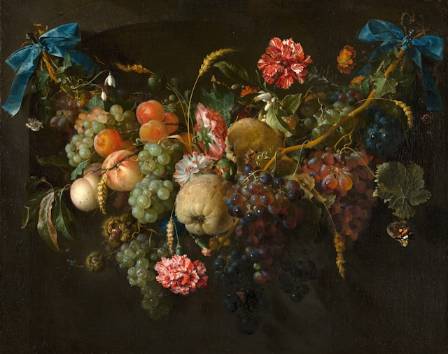
Flemish Masters and the Flourishing of Still Life
Flemish still-life painting of the 16th and 17th centuries was known for intricate detail and symbolic layers. Artists like Clara Peeters showcased luxurious spreads of food, flowers, and tableware as markers of wealth and achievement. Jan Davidsz de Heem gained renown for his elaborate banquet and floral compositions, blending realism with dramatic, theatrical effects. These works elevated ordinary objects into a narrative medium, exploring themes of abundance, mortality, and the fleeting beauty of nature.
The Evolution and Continued Relevance of Still Life
Still-life painting has continuously adapted to artistic and cultural shifts. Flemish painters emphasized meticulous realism; Cézanne reimagined structure and perspective; Van Gogh captured vibrant emotional energy. Today, still-life art continues to evolve, finding significance in everyday objects and inspiring contemporary interpretations.
Art history values still-life paintings not only for their technical and compositional achievements but also for their exploration of life, death, and meaning in ordinary things. Through careful observation and creative vision, still-life artists reveal beauty and narrative in the simplest forms.
यह भी पढ़ें

20 अद्भुत थाई फल
माया

आदर्श प्राकृतिक फ्रूट स्मूदी बनाना
अभिनव गोयल
अपना खुद का बोतल गार्डन कैसे बनाएं- DIY बंद टेरारियम
चेतन

नए रॉकेट्स अंतरिक्ष तक पहुंचने के लिए एक अवसर की खिड़की का प्रतिनिधित्व करते हैं
काव्या
How Playful Geometric Building Blocks Can Redefine Modern Architecture
Spencer William Fisher
हमारे समाज में घोड़ों की बदलती भूमिका
एकता