← मुखपृष्ठ3 मिनट का पाठ
विशेष लेख
The Formula Behind Artistic Creativity
Salvador Dalí's surreal works may be attributed to his eccentric personality, while Wassily Kandinsky's exceptional use of color could stem from his experience with synesthesia. These interpretations fit into the popular narrative of the "creative genius," but could the process of artistic creation be more systematic than we think?
B
Bob
लेखक
लेख परिचय
नीचे पूरा लेख पढ़ें।
अनुभाग
समाचार
Salvador Dalí's surreal works may be attributed to his eccentric personality, while Wassily Kandinsky's exceptional use of color could stem from his experience with synesthesia. These interpretations fit into the popular narrative of the "creative genius," but could the process of artistic creation be more systematic than we think?
Quantifying Creativity in Art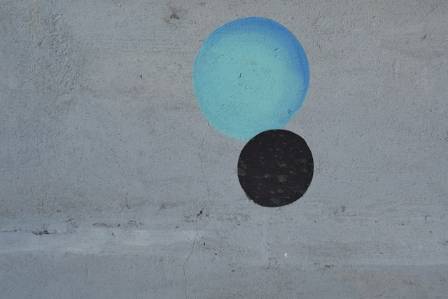
Ahmed Elgammal, an associate professor of computer science at Rutgers University, helped develop an algorithm designed to measure creativity in art. This tool ranks famous artworks based on their originality and influence. The results were not entirely unexpected: artists such as Mondrian and Malevich, known for their geometric abstractions, scored higher in creativity than those like Pissarro, Cézanne, or even Picasso, whose works often build on or challenge more traditional styles. Georgia O'Keeffe’s flower paintings, offering more abstract interpretations than what was traditionally seen, were also rated higher than the works of Degas, who focused on urban life in Paris.
Who Ranks as the Most Creative?
According to the algorithm, some of the most creatively influential artists include Edvard Munch, famous for The Scream, Chuck Close, and M.C. Escher. These artists created groundbreaking works that reshaped the art world.
The Limits of the Algorithm
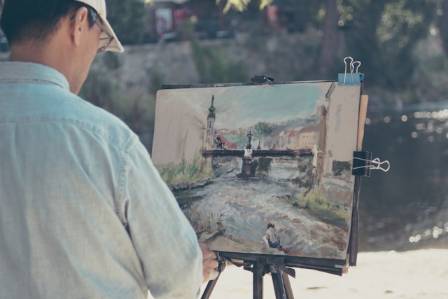
Despite its intriguing conclusions, the algorithm has its limitations. To effectively assess creativity, its creators first had to define what creativity meant in this context and build the system around that. Rather than focusing on personal creativity or psychological factors, they concentrated on whether an artwork was historically significant—considering whether it was "original" and "influential." Thus, the algorithm’s ranking of Munch's The Scream as more impactful than Van Gogh’s Starry Night does not necessarily imply that Munch was a more creative thinker than Van Gogh.
The Goal of AI in Art Criticism
Elgammal’s objective was not to replace human judgment but to create a machine capable of assessing artwork with the perceptive, cognitive, and intellectual abilities that humans possess. He explained to The Huffington Post, “the ultimate goal of the AI research is to create machines that can think and analyze like humans, especially when it comes to complex tasks like evaluating art and judging creativity.”
Understanding the Elements of Art
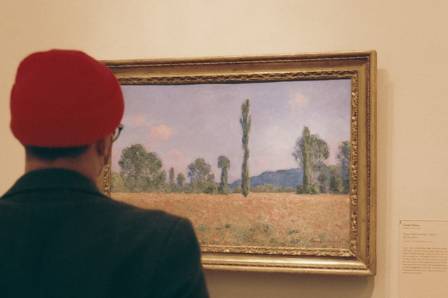
The algorithm analyzes various artistic elements, such as space, texture, form, color, and line. It also accounts for principles like movement, harmony, balance, and proportion, alongside other factors like brushstrokes and subject matter. Together, these are referred to as "artistic concepts," which modern computer vision technology can quantify with increasing precision.
AI's Role in the Future of Art
Although AI is becoming involved in tasks such as administration and even art criticism, Elgammal emphasizes that his algorithm is intended to complement, not replace, human expertise. He hopes that, with further development, the algorithm can be used alongside art historians to gain deeper insights into the factors behind creativity throughout history.
Conclusion
The algorithm offers a novel perspective on art’s historical significance, but it is far from a perfect tool for defining creativity. Instead, it serves as a starting point for exploring how technology can assist in understanding the evolution of artistic expression and creativity across time.