← मुखपृष्ठ2 मिनट का पाठ
विशेष लेख
Fascinating Penguin Facts
What’s in a Group Name? When penguins take to the water, they form what’s called a raft. On land, however, their gatherings are often referred to as a waddle. Other collective terms include colony, huddle, or rookery, each highlighting a different aspect of their social behavior.
J
Julian Rivers
लेखक
लेख परिचय
नीचे पूरा लेख पढ़ें।
अनुभाग
समाचार
What’s in a Group Name?
When penguins take to the water, they form what’s called a raft. On land, however, their gatherings are often referred to as a waddle. Other collective terms include colony, huddle, or rookery, each highlighting a different aspect of their social behavior.
Nature’s Built-in Camouflage
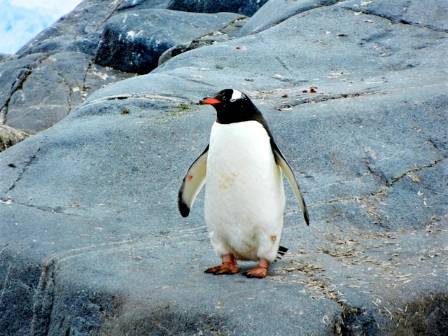
Penguins wear a natural suit of armor—black backs and white fronts—a survival trait known as countershading. This coloring allows them to blend into the dark ocean depths when seen from above and match the shimmering surface when viewed from below.
Why Penguins Snuggle
Huddling serves more than one purpose. While it helps conserve body heat in freezing temperatures, it also offers protection from predators. These tight-knit formations are a classic survival strategy in the wild.
Flightless, Yet Fast
Penguins may not soar through the skies, but they’re aces underwater. Unlike most birds, they possess solid bones, which reduce floatation and help them dive with precision. Their wings have evolved into flippers, perfectly adapted for swimming.
Oiled for the Ocean
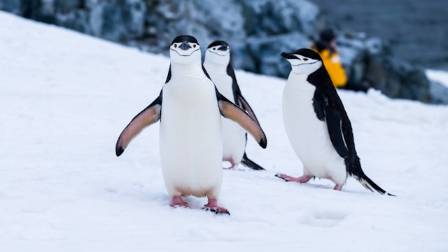
Staying dry is essential in icy waters. Penguins produce oil from a gland near their tail, which they spread over their feathers daily. This waterproof layer ensures insulation and helps maintain their body temperature while swimming.
Global Travelers
Penguins aren’t just creatures of the Antarctic. They also inhabit the Galápagos Islands, southern Africa, New Zealand, Australia, and parts of South America, including Peru and Chile. Their range spans a variety of climates, from icy tundras to tropical coasts.
A Tale of Two Poles
Though often depicted together, penguins and polar bears never meet in nature. Penguins live exclusively in the Southern Hemisphere, while polar bears roam the Arctic in the north—making them geographic opposites.
Built for the Journey
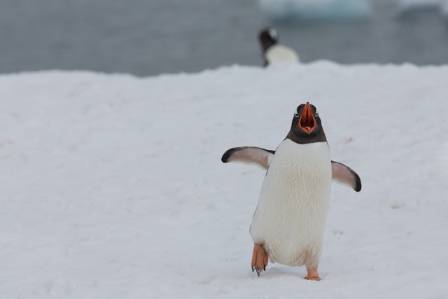
Some penguin species undertake epic treks—marching up to 60 miles over sea ice to reach their nesting sites. Their feet are not only tough enough for long-distance travel but also play a crucial role in navigation, acting like rudders in water.
Romance with a Rock
Penguin courtship can be charming. Male penguins often present smooth stones to potential mates. These pebbles are later used by the females to construct nests—a gift with purpose.
Sleek by Design
Penguins rank among the most hydrodynamic animals on Earth. With tapered bodies, large heads, and short necks, their streamlined shape minimizes drag and allows for quick, agile movements beneath the waves.
From land to sea, penguins continue to captivate with their unique adaptations and behaviors—true icons of the Southern Hemisphere.
यह भी पढ़ें

hi
चंद्रमा के गड्ढे क्या हैं? वे कैसे बने?
रीता
hi
जलमग्नता में महारत हासिल करना: जलमग्न कला के लिए एक व्यापक मार्गदर्शिका
सूरज मण्डोवाल

hi
अब तक के 13 सबसे अच्छे डोनट्स, रैंकिंग
यामिनी

en
Creating Realistic Textures in Oil
Noah Reed

en
Master Guide to Men’s Jackets: Elevating Style and Functionality
Terrence Barlow

en
Afternoon Tea Essentials: 10 Irresistible Dishes to Elevate Your Tea Time
Noah