← मुखपृष्ठ2 मिनट का पाठ
विशेष लेख
The four largest interchanges in the United States
Driving highways straight through the hearts of American cities may be one of the most damaging planning errors of the 20th century.
J
Jane
लेखक
लेख परिचय
नीचे पूरा लेख पढ़ें।
अनुभाग
समाचार
Driving highways straight through the hearts of American cities may be one of the most damaging planning errors of the 20th century. These massive roads destroyed urban environments, fractured communities, and created concrete barriers that drained vitality from neighborhoods. But what’s even worse than a single highway? The point where multiple highways meet—a complex web of high-speed ramps that devour vast stretches of land all in the name of moving traffic.
Despite their enormous physical presence and the staggering amounts of money invested in them, highway interchanges often go unnoticed in city life. After all, these are not places where people gather—they are places people pass through.
To shed light on these infrastructural giants, we’ve compiled a list of some of the most enormous interchanges in U.S. metropolitan areas. One can only imagine how cities might repurpose all that space…
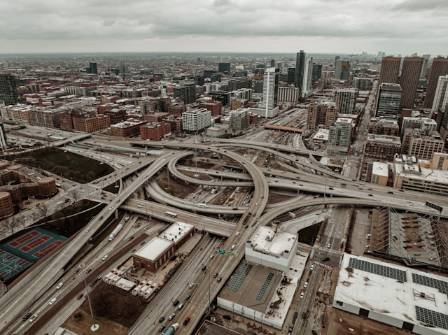
Louisville: The Kennedy Interchange
Just north of downtown Louisville, the Kennedy Interchange creates a formidable barrier between the city and its waterfront. Already immense, it is set to grow even larger as part of the $2.6 billion Ohio River Bridges project, a collaboration between Kentucky and Indiana. Even the New York Times has criticized the negative impact of this expansion on urban neighborhoods. When local advocates proposed dismantling a section of the interchange’s feeder roads, they were overruled by influential political forces.
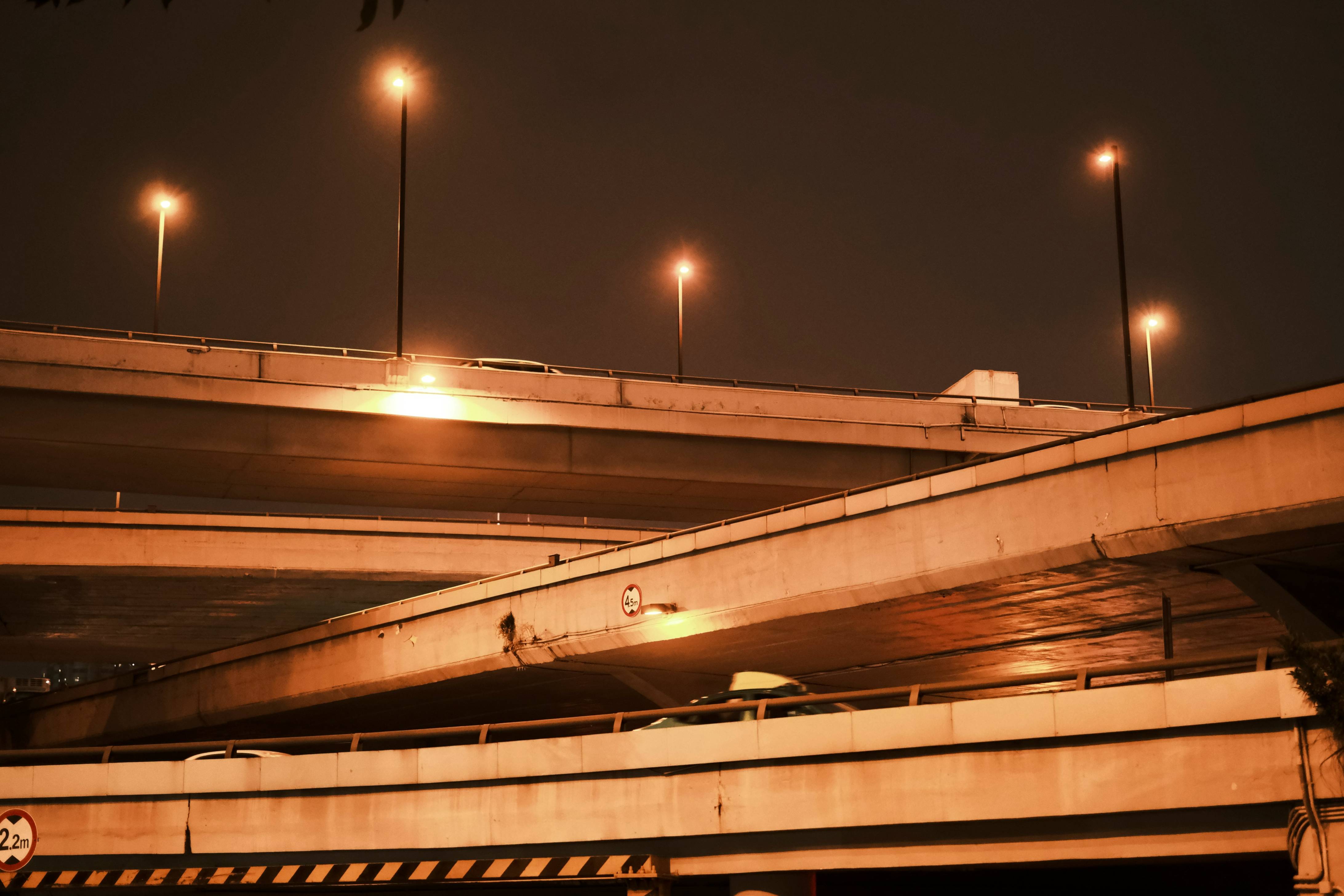
Milwaukee: The Marquette Interchange
Completed in 2008 at a cost of $810 million, the Marquette Interchange lies near downtown Milwaukee and Marquette University. Its construction required 2.25 million work hours and produced 28 ramps and 21 miles of roadway. The Milwaukee Journal Sentinel reported that 60,000 tons of concrete and steel were used in the process.
While the Federal Highway Administration honored the project with an “Award for Excellence in Highway Design,” the group 1000 Friends of Wisconsin labeled it a “billion-dollar blunder.” The state is now moving forward with another major project nearby: the $1.7 billion Zoo Interchange.
Los Angeles: The Pregerson Interchange
Built in 1993 for $135 million, the Pregerson Interchange was at the time the most expensive traffic structure ever constructed by Caltrans. The Los Angeles Times described it as a “five-level maze of soaring and curving freeway lanes.” Its nine miles of cloverleaf loops span a mile and a half in width, casting a literal shadow over some of LA’s most economically disadvantaged communities.
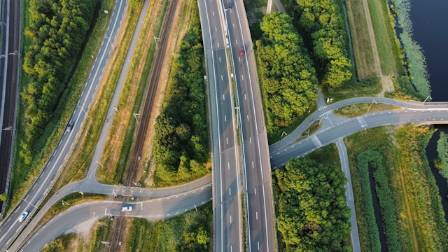
San Diego: The Cabrillo Freeway Interchange
What makes this interchange particularly regrettable is its location—on the edge of Balboa Park, considered the “crown jewel” of San Diego. According to Sam Ollinger of BikeSD, the interchange not only causes persistent traffic congestion but also creates a pedestrian barrier, making it nearly impossible to walk from downtown to cultural institutions like the Air and Space Museum.
These interchanges stand as both engineering feats and cautionary tales—reminders of the trade-offs between connectivity and community, between movement and place.
यह भी पढ़ें

hi
दुनिया के 9 सबसे बड़े ईगल
अंकिता

en
Felted Sky Painting with Wool Kits
Jordan Lee

en
Fascinating Penguin Facts
Julian Rivers

en
The Best-Tested Slippers
Caelum Frost

en
The Evolution of Robotic Animals: From Ancient Automata to Modern Companions
Brandon Cole Waverly

hi
दुनिया की सबसे पतली स्काईस्क्रेपर: स्टाइनवे टावर
सुष्मा