विशेष लेख
These Beautiful Creatures Are the Absolute Cutest Animals on Earth
Viewing pictures of delightful creatures is highly beneficial. Science proves it enhances your mood immediately. You can escape daily stress by admiring nature. Many of these species live in remote areas. They might be completely new to you. This collection brings the joy of the animal kingdom directly to you. You will discover amazing facts about global wildlife. Get ready to smile at these wonderful photos.
Spencer Noah
लेखक
लेख परिचय
नीचे पूरा लेख पढ़ें।
अनुभाग
समाचार
Viewing pictures of delightful creatures is highly beneficial. Science proves it enhances your mood immediately. You can escape daily stress by admiring nature. Many of these species live in remote areas. They might be completely new to you. This collection brings the joy of the animal kingdom directly to you. You will discover amazing facts about global wildlife. Get ready to smile at these wonderful photos.
The Most Adorable Creatures Across the Globe
The Exotic Margay Wildcat
The margay is a stunning wildcat. It lives high up in the dense trees of Central and South America. These cats possess very large eyes. They spend their lives in lush evergreen forests. Their long tails provide excellent balance on branches. Amazingly their ankle joints can rotate completely. This allows them to climb down trees headfirst. They hunt at night for survival. Their diet includes small birds and wild fruits. They also eat eggs and tiny mammals. Females give birth to just one kitten every two years. Human hunting has severely hurt their population. They are now considered an endangered species.
The Vibrant Red Panda
Red pandas spend most of their time in treetops. They are only slightly larger than average house cats. These furry animals wrap themselves in their thick tails during winter. This keeps them warm in cold environments. They primarily inhabit the Eastern Himalayas. Sadly they face a severe population decline. Deforestation is destroying their nesting trees. They also lose vital bamboo sources daily. These creatures have a special wrist bone. It acts like a thumb to grasp food. This adaptation helps them hold onto branches easily.
The Whimsical Elephant Shrew
The elephant shrew is also known as the sengi. It has a very distinctive long nose. This nose gives the tiny mammal a funny appearance. They look a lot like common mice. However they are not rodents at all. They are not even real shrews. Scientists found they are related to elephants and aardvarks. They also share ancestry with sea cows. These creatures live in African forests and plains. They hop around quickly just like rabbits. They eat insects and give birth multiple times a year. Severe droughts and deforestation threaten their survival today.
The Smiling Quokka
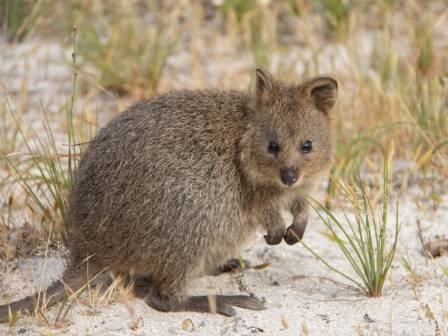
Quokkas are small marsupials from Australia. They are famous for their cheerful expressions. People call them the happiest animals in the world. They inhabit small islands off the western coast. Rottnest Island hosts around ten thousand of them. Tourists love taking selfies with these friendly creatures. Quokkas eat local grasses and leafy shrubs. They can survive a whole month without drinking water. Their babies are called joeys. The young live safely inside a pouch. Mother quokkas have a shocking survival trick. They will drop a baby to distract a predator. This allows the mother to escape safely.
The Large Eared Fennec Fox
Fennec foxes have incredibly massive ears. Their ears are the largest relative to body size in the dog family. This unique feature makes them look extremely cute. They live in the scorching deserts of North Africa. They eat grasshoppers and desert rodents. They also consume lizards and bird eggs. To escape the daytime heat they sleep in underground burrows. They come out to hunt when the sun sets. They use their big ears to hear prey moving under the sand. They are fierce fighters despite their small size.
The Agile Klipspringer Antelope
The klipspringer is a tiny dwarf antelope. They live in Eastern and Southern Africa. They make their homes on steep rocky formations. These creatures can jump twelve feet into the air. Their specialized hooves are incredibly small. They can land safely on a surface the size of a coin. They rest during the hottest hours of the day. They emerge in the morning to graze. They eat green leaves and fresh blossoms.
The Busy Japanese Weasel
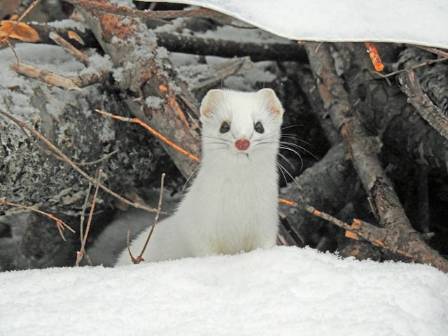
Japanese weasels are native to several islands in Japan. They prefer living inside hollow logs near fresh water. They generally avoid heavily populated human areas. These creatures are solitary and active at night. They are excellent at controlling rodent populations. Humans introduced them to specific islands to hunt rats. They are highly territorial animals. They will fight aggressively to defend their home.
The Crafty American Pika
American pikas live in harsh alpine environments. They thrive on the rocky slopes of the American West. They build deep underground burrows for safety. This protects them from extreme winter cold. It also keeps them safe from eagles and weasels. Pikas collect wildflowers during the summer months. They spread the plants in the sun to dry. This clever trick prevents mold from growing. They store the dry food in their dens for winter.
The Spotted Quoll
Quolls are unique marsupials native to Australia and Papua New Guinea. They have long tails and beautiful spotted coats. The smallest species weighs just two pounds. The largest species can reach eleven pounds. They look adorable but they are fierce meat eaters. They are the second largest carnivores on the Australian mainland. They hunt insects and small reptiles. They also eat birds and small mammals.
The Communicative Culpeo Wild Dog
The culpeo is often called the Andean fox. However it is actually a species of wild dog. They live throughout the vast Andes Mountains. They are opportunistic hunters. They eat rodents and wild rabbits. They also consume fruits when prey is scarce. They usually live alone or in pairs. They use many different calls to communicate. They bark and leave scent marks to defend territory.
The Hopping Patagonian Mara
The Patagonian mara looks a lot like a rabbit. It is actually a large rodent from Argentina. They are closely related to guinea pigs. Maras travel in loyal pairs. They raise their young in large communal burrows. Males are very protective of their families. Females spend their time nursing the young. They move in four unique ways. They can walk and gallop. They also hop and jump straight up on all four legs.
The Big Eyed Tarsier
Tarsiers are tiny primates with enormous eyes. Their eyes are actually larger than their brains. They live on islands in Southeast Asia. They can rotate their heads completely like owls. Their long fingers help them climb trees easily. They hunt for small lizards and frogs. They also eat insects and tiny snakes. Expanding agricultural plantations are destroying their forest homes today.
The Camouflaged Tawny Frogmouth
Tawny frogmouths look exactly like owls. However they are actually related to nightjars. They do not have sharp talons like owls. They cannot swoop down to grab prey easily. Instead they pounce on insects from low branches. They live throughout Australia and Tasmania. They rely on incredible camouflage to hide in trees during the day.
The Underwater Sniffing Star Nosed Mole
Star nosed moles look very unusual. Their strange noses have over one hundred thousand nerve endings. This helps them navigate pitch black tunnels underground. They are the only mole species that can swim. Amazingly they can smell things underwater. They blow air bubbles at underwater prey. The bubbles trap scent molecules. Then the moles inhale the bubbles to detect food.
The Tiny Honduran White Bat
Honduran white bats are incredibly small. Adults grow to be only two inches long. They have fluffy white fur and bright yellow noses. They live in the rainforests of Central America. They hide under large leaves during the day. They move to new leaves frequently to avoid predators. They fly out at night to look for fruit.
The Thirteen Lined Ground Squirrel
These ground squirrels live across North America. They look like a mix between squirrels and chipmunks. They have thirteen distinct stripes on their backs. They are very active on warm sunny days. Their diet consists of seeds and caterpillars. They also enjoy eating crickets and grasshoppers.
The Fluffy Long Tailed Tit
The long tailed tit lives across Europe and Asia. They are tiny birds with beautiful pink and white feathers. They have short stubby beaks. They are incredibly social creatures. They gather in large groups during the winter. They build complex nests using moss and spider webs. A single nest can contain thousands of pieces.
The Miniature Chevrotain Mouse Deer
Chevrotains are also known as mouse deer. They are the smallest hoofed mammals on earth. They have long sharp teeth that look like fangs. They do not grow antlers. They have very thin legs and round bodies. They are not very agile on land. When danger approaches they jump underwater to hide from predators.
The Popcorn Scented Binturong
Binturongs are commonly called bearcats. They look like a blend of cats and bears. They are not closely related to either animal. They have special tails that can hold onto tree branches. They live high in the jungles of Asia. They purr and wash themselves just like cats. They mark their territory with a scent that smells like buttered popcorn.
The Desert Dwelling Sand Cat
Sand cats live in wide desert regions. They are excellent at digging deep burrows. They hunt small rodents for survival. They have large ears to hear prey underground. They can survive for weeks without drinking water. They are active at night to avoid harsh desert heat.
The Venomous Slow Loris
The slow loris is a nocturnal primate. They have giant eyes and sweet furry faces. However they possess a dangerous toxic bite. They use this venom to fight other loris over territory. They live in the trees of South Asia. They move very slowly to avoid being seen by eagles.
The Semi Aquatic American Mink
The American mink looks similar to a ferret. They always live near water sources. They hunt fish and frogs. They also eat small birds and insects. They have webbed feet and waterproof fur for swimming. They often store extra food inside their dens during winter.
The Frost Resistant Arctic Fox
Arctic foxes have thick white coats. This fur keeps them hidden in the snow. They eat wild lemmings and marine life. They sleep with their tails wrapped around their bodies. They have thick fur on the pads of their paws. This protects them from freezing temperatures.
The Fierce Northern Pygmy Owl
Northern pygmy owls are the size of a robin. They are incredibly fierce hunters. They can attack prey three times their own size. They love eating songbirds. Songbirds often team up to chase these owls away.
The Tiny Bee Hummingbird
The bee hummingbird is the smallest bird in the world. Their eggs are the size of coffee beans. Their wings make a loud buzzing sound in flight. They have colorful red and blue feathers. They visit thousands of flowers every day to drink nectar.
The Climbing Tree Kangaroo
Tree kangaroos live in remote rainforests. They have short legs and powerful arms for climbing. They look like a mix of kangaroos and lemurs. They spend their days eating green leaves and fruit. They are very agile in trees but clumsy on the ground.
The Insect Eating Aardwolf
Aardwolves look like small striped hyenas. They are shy creatures from Africa. They use sticky tongues to eat thousands of termites. They prefer termites over all other food. They raise their pups when termites are most active.
The Mythical Tanuki Raccoon Dog
Tanukis are native to Japan. They are also called Japanese raccoon dogs. They are actually close relatives of foxes. They climb trees to find nuts and berries. They also swim to catch fish. They are famous characters in Japanese folklore.
The Spotted Leopard Gecko
Leopard geckos live in dry grasslands. Their spotted skin provides excellent camouflage. Unlike other geckos they have moveable eyelids. They can blink and close their eyes to sleep. They do not have sticky toe pads.
The Colorful Resplendent Quetzal
The resplendent quetzal is a striking bird. It lives in the tropical forests of Central America. It is the national symbol of Guatemala. They love eating wild avocados. They swallow the fruit whole and spread the seeds across the forest.
The Mysterious Okapi African Unicorn
The okapi is the only living relative of the giraffe. It has zebra stripes on its legs and a long horse-like body. They use long tongues to strip leaves from branches. They live deep in the rainforests of the Congo. People call them African unicorns because they are so rare.
The Camouflaged Snowshoe Hare
Snowshoe hares live in northern forests. Their fur changes color with the seasons. It turns brown in summer and pure white in winter. They have massive hind feet covered in thick hair. This acts like a natural snowshoe to help them run on snow.
The Stinky Southern Tamandua
The southern tamandua is a small anteater. They live in the forests of South America. They have very low body temperatures. When threatened they release a terrible odor. This smell is four times stronger than a skunk spray.
The Rock Dwelling Mountain Viscacha
The mountain viscacha looks like a cuddly rabbit. It is actually a large rodent related to chinchillas. They have long bushy tails. They live high in the Andes Mountains. They eat mountain moss and grass while watching for predators.
The Gliding Sugar Glider
Sugar gliders are small marsupials. They have special membranes between their limbs. This allows them to glide through the air for over one hundred feet. They are highly social animals that live in large wild colonies.
The Screeching Tasmanian Devil
Tasmanian devils are fearsome marsupials. They are famous for making loud screeching noises. They open their mouths wide to intimidate rivals. Today they are found only on the island of Tasmania.
Sweetest Little Baby Animals
The Water Loving Baby Capybara
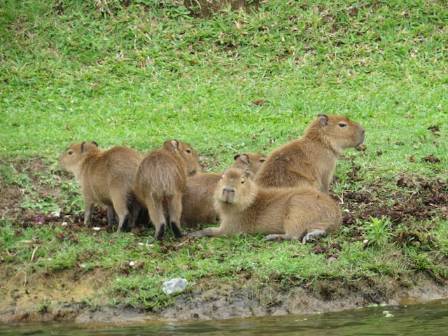
The capybara is the largest rodent on Earth. They are closely related to guinea pigs. They are excellent swimmers with webbed feet. They have teeth that grow continuously. They eat firm grasses to keep their teeth trimmed. They have a unique digestive system to process nutrients.
The Rare Spectacled Andean Bear
The spectacled bear has unique facial markings. These light markings look like a pair of eyeglasses. They are the only bear species native to South America. They live in the tropical Andes mountains. They are very shy and prefer to avoid humans.