← मुखपृष्ठ3 मिनट का पाठ
विशेष लेख
11 Facts You Absolutely Need to Know About the Most Beautiful Reefs in the Ocean
Tiny marine organisms known as polyps construct the foundational stone-like framework of coral reefs. These creatures generate protective external skeletons around their delicate forms. Living in densely packed communities, coral polyps accumulate their calcium carbonate structures—extracted from seawater—layer upon layer across generations.
B
Benjamin Carter
लेखक
लेख परिचय
नीचे पूरा लेख पढ़ें।
अनुभाग
समाचार
How Coral Reefs Form
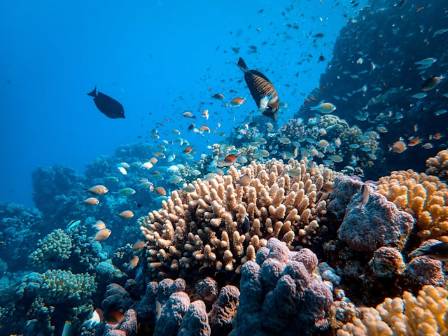
Tiny marine organisms known as polyps construct the foundational stone-like framework of coral reefs. These creatures generate protective external skeletons around their delicate forms. Living in densely packed communities, coral polyps accumulate their calcium carbonate structures—extracted from seawater—layer upon layer across generations.
Continuous Construction
When individual polyps die, their skeletal structures persist. Over extended periods, these mineral formations accumulate into diverse architectural shapes including branching networks, spires, rounded boulders, and intricate plateaus. Reef development progresses remarkably slowly—expanding anywhere from under one centimeter to approximately ten centimeters annually.
Thriving Biological Communities
Vibrantly colored smaller fish species inhabit the reef's fissures and overhangs, feeding on algae to prevent overgrowth that could suffocate the coral. Their distinctive pigmentation and patterns provide camouflage within the colorful reef environment, offering protection from predators while also facilitating mate selection and species recognition.
Sponges and mollusks attach directly to reef surfaces, while crustaceans including shrimp and lobsters conceal themselves within structural cavities. Larger predatory fish consume both smaller reef fish and bottom-dwelling organisms like sea urchins and marine worms. These mid-level predators subsequently attract apex species including sharks and groupers, maintaining ecological equilibrium throughout the reef system.
Environmental Changes and Challenges
The characteristic vibrant hues of coral reefs originate from symbiotic algae called zooxanthellae residing within polyp tissues. These microorganisms supply oxygen and photosynthetic nutrients to their coral hosts, while receiving carbon dioxide and protected habitat in return. When environmental stressors like pollution or elevated water temperatures occur, corals expel their algal partners, resulting in the bleaching phenomenon that indicates compromised reef health.
Disappearing Marine Habitats
Coral reefs require specific conditions to flourish: clear, warm waters (averaging 24°C/75°F), shallow depths, and precise salinity levels. Alarmingly, approximately 50% of global coral reefs have already vanished due to climate change, excessive fishing, contamination, and coastal development.
Observation Opportunities
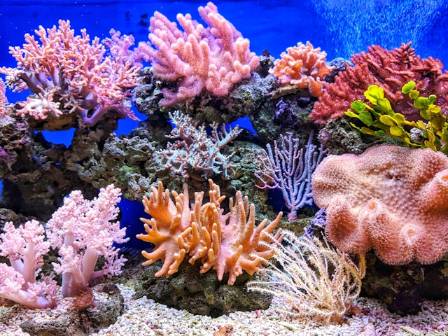
Notice the complex interspecies relationships within reef ecosystems. Smaller fish often provide cleaning services to larger species, removing parasites and debris—a symbiotic arrangement benefiting both parties. Parrotfish consume coral structures themselves, extracting algae from within the skeletal framework. These fish significantly contribute to tropical beach formation by excreting finely ground coral as white sand.
Observe the spectacular diversity of colors and patterns throughout the reef. Identify speckled, striped, and solid-colored fish navigating through coral formations. Take note of brightly colored crustaceans and anemones, and observe which coral types attract specific fish species.
Conservation Actions
Like all marine environments, coral reefs face significant threats from human activities. Even those living distant from tropical waters can adopt practices that protect these vital ecosystems:
Reef-Safe Sun Protection
Chemical sunscreen components can damage marine life. Select mineral-based alternatives for swimming and water activities. Avoid products containing oxybenzone and octinoxate—chemicals documented to trigger coral bleaching.
Responsible Observation
Maintain physical distance from coral formations while snorkeling or diving. Avoid contact with fins or hands, and prevent sediment disturbance that can smother coral organisms.
Ethical Souvenir Selection
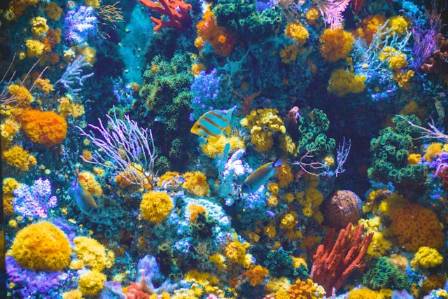
Coral structures require millennia to develop, yet are frequently destroyed for tourist souvenirs. Refrain from purchasing jewelry or decorative items derived from corals, seahorses, or other reef inhabitants. Opt for photographs as lasting mementos instead.
Sustainable Seafood Choices
With reefs supporting 25% of marine biodiversity, they face intense fishing pressure. Select seafood from responsibly managed fisheries using resources like Seafood Watch for guidance.
यह भी पढ़ें

en
Meet the Sun Bear: The World’s Smallest Bear with a Big Personality
Samuel

en
A Comprehensive Guide to Selecting Women’s Underlayers: Enhancing Every Silhouette
Ethan Caldwell Mercer

hi
रेखाचित्र बनाने की कला में महारत हासिल करने के लिए एक शुरुआती मार्गदर्शिका
सुचित्रा पाल

en
A Comprehensive Journey Through the History of Black in Fashion
Benjamin Cole

hi
अपना खुद का बोतल गार्डन कैसे बनाएं- DIY बंद टेरारियम
चेतन

en
Needle Felting Basics: Tools, Wool, and How to Begin
Magnus Ravenswood