विशेष लेख
Cultivating The Winter Blooming Flowering Apricot
During the dreary and grey days of midwinter, the flowering apricot suddenly bursts into bloom, filling the crisp air with a sweet, spicy fragrance that attracts early pollinators. This remarkable tree brings vital energy and color to the cold season, making it an indispensable addition to any landscape. By understanding its unique requirements and appreciating its natural beauty, you can successfully integrate this stunning specimen into your own garden.
Mark Steven White
लेखक
लेख परिचय
नीचे पूरा लेख पढ़ें।
अनुभाग
समाचार
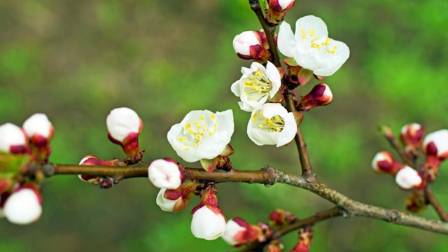
During the dreary and grey days of midwinter, the flowering apricot suddenly bursts into bloom, filling the crisp air with a sweet, spicy fragrance that attracts early pollinators. This remarkable tree brings vital energy and color to the cold season, making it an indispensable addition to any landscape. By understanding its unique requirements and appreciating its natural beauty, you can successfully integrate this stunning specimen into your own garden.
Understanding The Botanical Origins And Cultural Significance
The flowering apricot, scientifically known as Prunus mume, is an Asian native tree with deep historical roots. Commonly referred to as the Chinese plum or Japanese apricot, this deciduous tree belongs to the rose family and shares close botanical ties with both plums and apricots. Originating in the southern regions of China around the Yangtze River over three millennia ago, it eventually spread and naturalized across Japan, Korea, and Vietnam. In East Asian culture, the early winter blossoms are highly revered in traditional art and poetry, symbolizing beauty, hope, and perseverance during harsh conditions. While the small fruits are not the large, fleshy apricots found in grocery stores, they are highly valued in traditional medicine, pickling, and flavoring beverages.
Selecting The Ideal Location And Soil Conditions
In the landscape, this tree develops a beautiful, rounded habit, eventually reaching about twenty feet in both height and width over a decade. It is a vigorous grower when provided with the right environmental conditions, most notably full sunlight. Even minimal shade can significantly reduce the flower set and alter the natural growth habit. The tree thrives in evenly moist, well-drained, and slightly acidic soil. Incorporating organic matter, such as a layer of compost applied annually around the root zone, is highly recommended to improve soil structure and promote an abundant floral display, especially in areas with sandy or nutrient-poor earth. During the hottest and driest months of summer, supplemental irrigation may be necessary to keep the tree healthy.
Mastering Pruning Techniques And Managing Plant Health
Pruning members of the rose family is generally recommended during their active growing phase to control their natural suckering habit. However, light winter pruning is perfectly acceptable, especially if you wish to cut fragrant, budding branches to enjoy indoors. When pruning, focus on removing inner branches to open up the dense, rounded canopy. This improves air circulation and significantly reduces the risk of insect infestations and fungal diseases. The tree can be susceptible to black knot, a cankering disease that affects new shoots in the spring. Fortunately, modern breeding programs have successfully developed highly disease-resistant cultivars, making it easier than ever to maintain a healthy and vibrant tree.
Navigating The Blooming Season And Fruit Production
Unlike flowering cherries, the flowering apricot blooms much earlier, with the exact timing heavily dependent on local weather patterns. In mild winters, blooms can appear as early as December, but they most reliably flower through February and March. Temperature fluctuations also play a critical role in fruit production. If a hard frost occurs while the tree is in full bloom, it is unlikely that any fruit will form. The resulting fruits are small, contain a massive pit, and can be quite messy, often leading to unwanted self-sowing. Because of this, many home gardeners prefer to enjoy the tree strictly for its spectacular floral display rather than its fruit.
Appreciating The Diverse Fragrance And Color Profiles
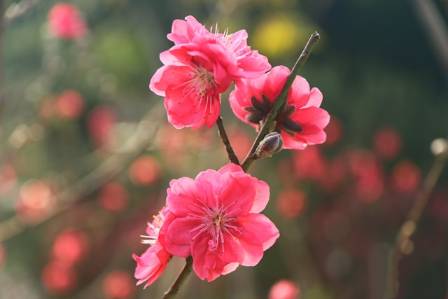
The highly fragrant flowers are the primary reason gardeners cultivate this magnificent tree. All varieties offer a delightful scent, but the fragrance profile varies by color. The white and soft pink cultivars produce a sweet, fruity aroma, while the dark pink and deep red varieties emit a distinct, spicy cinnamon scent. When the tree is in full bloom, the perfume is so potent and pleasant that it can be enjoyed from a considerable distance, transforming the winter garden into a sensory haven.
Exploring Cultivar Varieties And Propagation Methods
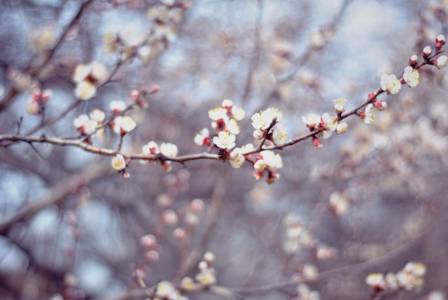
There are hundreds of distinct cultivars available, traditionally categorized in Japan into wild, red-blooming, and fruiting types. Because seed-grown plants are unpredictable in their flower color, growth habit, and disease resistance, the nursery industry relies on asexual propagation to maintain specific traits. Notable cultivars include the weeping pale pink Bridal Veil, the double medium pink Bonita, and the deep red single blooming Hokkai Bungo. For those seeking disease resistance, the white semi double Josephine, the light pink super double Nicholas, and the medium pink double Pink Panther are excellent choices. Other beautiful selections include the red semi double Kobai, the dark pink single Matsubara Red, the striking white and pink single Omoi No Mama, and the rose pink double Peggy Clarke.
Final Thoughts On Adding Winter Interest To Your Landscape
For gardeners living in moderate climates, the flowering apricot offers an unparalleled opportunity to add vibrant color and unforgettable fragrance to the middle of winter. With its low maintenance requirements, heavy flowering habit, and resilient nature, this tree is a truly rewarding specimen. By providing the right conditions and selecting a suitable cultivar, you can enjoy a gorgeous, low-maintenance tree that brings life and beauty to your garden when most other plants are dormant.
यह भी पढ़ें

Top 10 Most Expensive Luxury SUVs
Bob

4 Most Daring Maritime Adventures
Sophia

10 Best Santa’s Reindeer Toys for All Ages
Octavia Larkspur

Soft and Fluffy Milk Bread Rolls: Master the Tangzhong Method for Pillowy Perfection
Samuel

पेरिस से बुडापेस्ट – रात में सबसे सुंदर शहर
साहिल

Snow Place Like Home: Winter Landscapes in Prints
Eleanor Whitmore