← मुखपृष्ठ4 मिनट का पाठ
विशेष लेख
Surfing Culture: Techniques, History, and Impact
Surfing is more than a sport; it is a cultural phenomenon that reflects freedom, adventure, and a profound connection with the ocean. Originating in ancient Polynesian societies, surfing was once a sacred practice and a marker of social identity. Over centuries, it has spread globally, becoming both a recreational pursuit and a way of life. Modern surfers find joy not only in the physical act of riding waves but also in the community, lifestyle, and sense of spirituality it fosters.
C
Clara Mitchell
लेखक
लेख परिचय
नीचे पूरा लेख पढ़ें।
अनुभाग
समाचार
The Essence of Surfing Culture

Surfing is more than a sport; it is a cultural phenomenon that reflects freedom, adventure, and a profound connection with the ocean. Originating in ancient Polynesian societies, surfing was once a sacred practice and a marker of social identity. Over centuries, it has spread globally, becoming both a recreational pursuit and a way of life. Modern surfers find joy not only in the physical act of riding waves but also in the community, lifestyle, and sense of spirituality it fosters.
Historical Roots and Cultural Significance
The beginnings of surfing can be traced back to Hawaii and Polynesia, where it was deeply integrated into social customs and spiritual practices. In Hawaii, chiefs and commoners alike took to the waves, with the size and craftsmanship of the board symbolizing status and skill. As surfing expanded beyond its indigenous roots, each region infused its own culture into the practice. From California’s surf towns to Australia’s Gold Coast, the sport adapted to local conditions, shaping unique traditions and communities. For many, the ocean represents more than a playground—it is a source of spiritual reflection, mindfulness, and cultural heritage.
Techniques and Mechanics of Surfing

Mastering surfing requires not only courage but also technical understanding. Paddling, positioning, and timing are fundamental skills that determine success on the water. Reading wave formations, identifying swells, and interpreting weather patterns are equally essential, as they dictate when and where to surf. Maneuvers such as cutbacks, off-the-lips, and aerials highlight the athletic and artistic side of the sport, while specialized approaches like tow-in surfing expand the possibilities of tackling massive waves. These techniques combine physical endurance with intuition, turning surfing into both an art form and a science.
Essential Gear and Equipment
Equipment plays a central role in a surfer’s journey. Beginners often start with soft-top boards for safety and stability, paired with wetsuits that match the water temperature, leashes for safety, and wax to ensure grip. As surfers progress, they may shift to shortboards for agility or longboards for elegance, while also exploring alternative designs like fish boards or funboards. Accessories such as traction pads, fins, and eco-friendly materials enhance both performance and sustainability. Choosing the right gear ensures safety and maximizes the experience, making it a key part of surfing culture.
Surfing Styles and Expressions
Surfing has evolved into diverse styles, each reflecting different philosophies of wave riding. Shortboarding emphasizes speed, tricks, and aggressive maneuvers, appealing to those who thrive on performance. Longboarding, by contrast, embodies grace and flow, with surfers often walking to the nose of the board in timeless moves like “hanging ten.” Tow-in surfing has enabled athletes to confront giant waves once thought impossible to ride, while advanced maneuvers like aerials push the boundaries of creativity. These styles not only display technical skill but also provide surfers with avenues for personal expression.
Global Surfing Destinations

Surfing is inseparable from place, and iconic locations shape the sport’s identity. California’s Huntington Beach, known as “Surf City, USA,” has long been a hub of surf innovation and competition, while Hawaii’s North Shore remains legendary for its powerful waves and deep cultural ties. Internationally, Bali offers diverse breaks for surfers of all levels, and Australia’s Gold Coast provides some of the most consistent and celebrated surf conditions in the world. These destinations embody the diversity of global surf culture, attracting surfers seeking both challenge and community.
Environmental and Social Dimensions
Surfing is inherently tied to the health of the ocean, making environmental awareness a core value of the culture. Rising sea levels, changing ecosystems, and pollution pose significant threats to surf breaks and marine life. In response, surfers increasingly advocate for sustainability, embracing eco-friendly boards, participating in conservation initiatives, and promoting responsible coastal living. At the same time, the community aspect of surfing remains vital, with local surf schools, online forums, and global competitions fostering connection and cultural exchange. From grassroots contests to the World Surf League, surfing celebrates both local traditions and international recognition.
Conclusion
Surfing is a dynamic blend of history, technique, lifestyle, and advocacy. It is at once a sport, a cultural tradition, and a form of self-discovery. Whether gliding smoothly on a longboard, launching into an aerial, or simply sitting on a board waiting for the next set, surfers find themselves in dialogue with the ocean. As challenges such as climate change reshape coastlines, surfing continues to evolve, carrying forward its timeless spirit of freedom, resilience, and respect for nature.
यह भी पढ़ें

en
Coral Reef Ecosystems: Nature’s Underwater Cities
Olivia Rose
hi
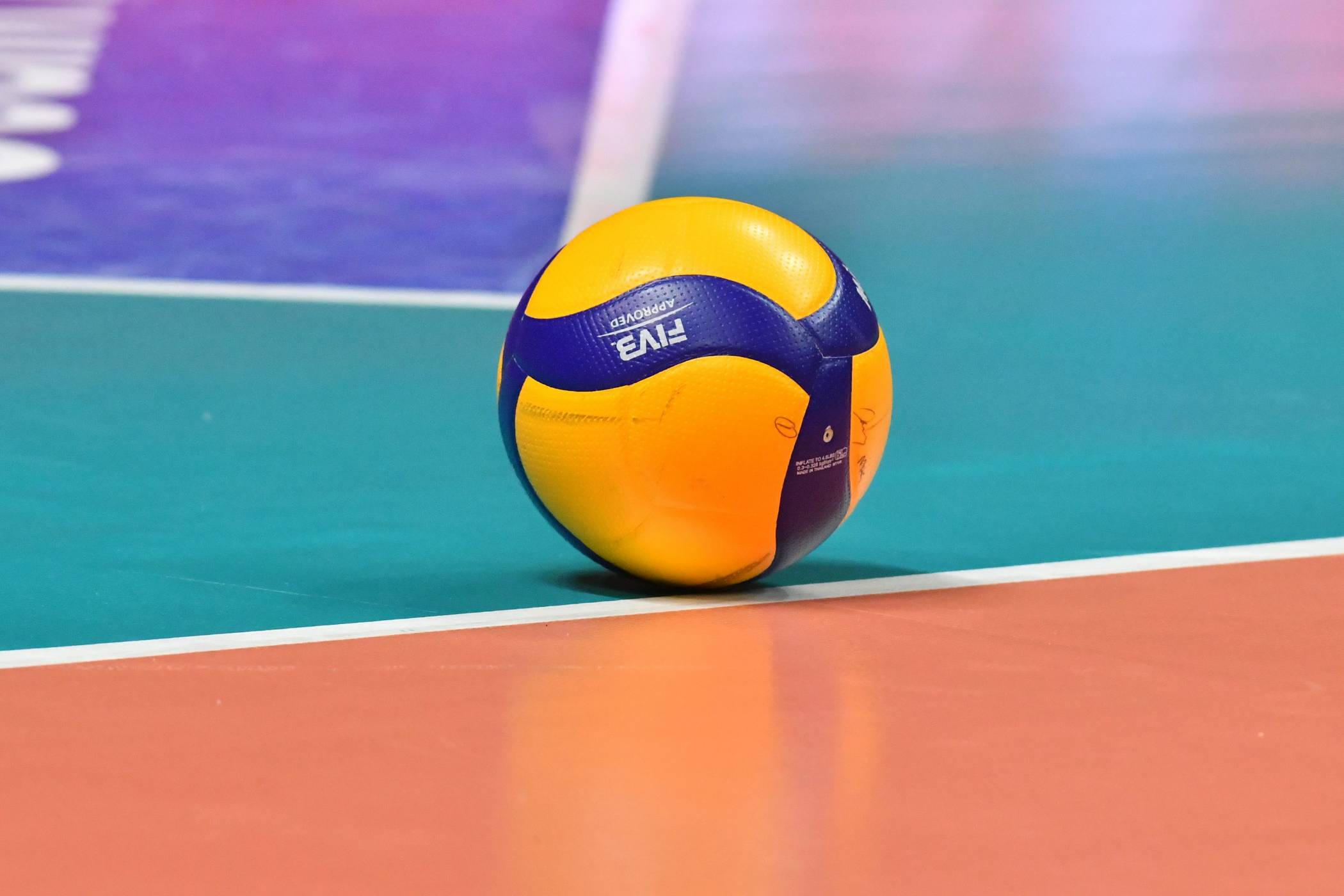
शुरुआती लोगों के लिए वॉलीबॉल: मैं खेलना कैसे शुरू करूँ?
ललित

en
Embracing the Enchanting Phases of Twilight
Emily Grace

hi
अल्पाका के बारे में 15 बातें जो शायद आप नहीं जानते होंगे
चिराग

en
Expert Techniques for Deer Portraits: A Comprehensive Guide to Wildlife Art
Matthew Taylor

hi
दुनिया की 5 सबसे प्रतिष्ठित (गैर-मानक) बसें
अद्विका