विशेष लेख
Expert Techniques for Deer Portraits: A Comprehensive Guide to Wildlife Art
Wildlife painting is a profound artistic endeavor that enables creators to depict the splendor and spirit of creatures within their native environments. Among the most popular subjects is the deer, a creature that demands a thorough grasp of anatomy, scale, and distinctive physical traits. This manual provides an organized approach to producing a lifelike deer portrait, moving from foundational sketches to the final application of light and shadow.
Matthew Taylor
लेखक
लेख परिचय
नीचे पूरा लेख पढ़ें।
अनुभाग
समाचार
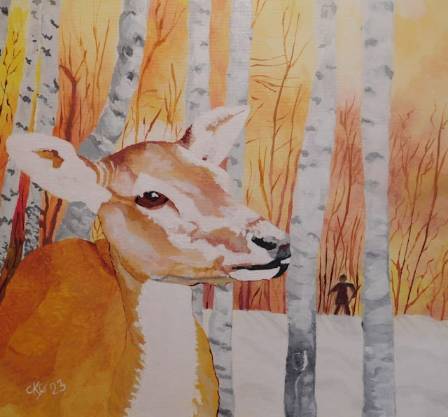
Wildlife painting is a profound artistic endeavor that enables creators to depict the splendor and spirit of creatures within their native environments. Among the most popular subjects is the deer, a creature that demands a thorough grasp of anatomy, scale, and distinctive physical traits. This manual provides an organized approach to producing a lifelike deer portrait, moving from foundational sketches to the final application of light and shadow.
The Aesthetic Appeal of Deer in Art
Deer have earned long-standing admiration for their fluid movements, refinement, and peaceful temperament. Representing a blend of delicacy and power, they serve as ideal subjects for nature-focused artwork. Artists find endless fascination in the complex textures of their coats, the impressive structure of their antlers, and the depth found in their eyes. By translating these traits onto the canvas, painters can instill a sense of reverence for the environment in their audience.
The Role of Field Observation and References
Accurate wildlife art relies heavily on direct observation and high-quality reference data. Observing deer in the wild allows an artist to comprehend their natural carriage, agility, and temperament—nuances that a static photograph often fails to convey. Supplementing this lived experience with a collection of high-resolution images and preliminary sketches ensures that every intricate detail is recorded correctly. Total immersion in the subject's world is the key to authenticity.
Analyzing Anatomy and Physical Proportions
Constructing a believable deer requires a firm knowledge of its biological makeup. Artists should study the skeletal frame, muscle groups, and standard body ratios. Critical areas of focus include the specific contours of the skull, the elegant sweep of the neck, and the precise angles of the limbs. Grasping these foundational elements allows the artist to replicate the deer's characteristic poise and grace with greater accuracy.
Constructing the Initial Framework
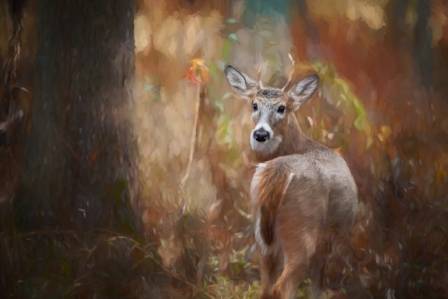
The sketching process begins with light, fluid strokes to establish basic geometry. A simple circle serves as the head, while a large oval represents the torso, with a curved line bridging the two to form the neck. Once the body is mapped, the legs are added, with careful attention paid to their length and angles to ensure a balanced, graceful stance. Refining these proportions at an early stage provides a stable foundation for more detailed work.
Refining Features and Adding Detail
With the basic structure established, the focus shifts to specific features. The placement and dimensions of the eyes, nose, and ears are vital, as they define the deer's expression and personality. The antlers require meticulous attention to capture their unique branching patterns. During this phase, the artist should also refine the body’s silhouette, highlighting the underlying muscularity and natural curves that give the animal its lifelike quality.
Color Selection for Natural Realism
Choosing an appropriate palette is fundamental to a convincing portrait. Deer fur is rarely a single flat color; it shifts based on lighting and the specific environment. Artists should use a blend of warm and cool pigments to replicate the subtle transitions in the coat, ranging from pale tans to deep umbers. The chosen color scheme must also harmonize with the intended background and lighting conditions of the piece.
Depicting Fur Texture and Antler Surface
Capturing the tactile quality of a deer requires specific brush techniques. Layering various shades helps build the appearance of thick, soft fur, while stippling can effectively represent shorter hair or the coarser texture on the face. Smooth blending is used to create seamless transitions across the body. For the antlers, glazing techniques can be employed to produce a soft, bone-like sheen that realistically reflects the surrounding light.
Finalizing the Piece with Light and Shadow
The application of highlights and shadows is what truly provides a three-dimensional effect. Bright tones or white paint should be used to accent areas where light hits directly, such as the ridges of the antlers, the shoulders, and the brow. Conversely, deep, cool shadows add necessary weight and dimension. By observing the direction of light, the artist can create a sense of volume that makes the deer appear to emerge from the canvas.
Presentation and Exhibition
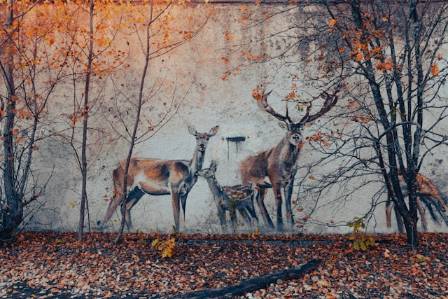
After the painting is finished, selecting the right frame is crucial for a professional presentation. An elegant, understated frame often works best, as it supports the artwork without distracting from the subject. Displaying the piece in natural or indirect light will further enhance the colors and textures, allowing the viewer to fully appreciate the technical skill and the beauty of the majestic deer.
यह भी पढ़ें
अपना खुद का बोतल गार्डन कैसे बनाएं- DIY बंद टेरारियम
चेतन
7 सबसे प्रतिष्ठित क्लासिक कारें
प्रकाश
अमेरिका में 10 रोमांचक गंतव्य, जहाँ आप एक शानदार ऑफ रोड 4x4 एडवेंचर का मज़ा ले सकते हैं
भानु
The Shift and Evolution of A Segment City Cars in the Global Automotive Market
Ryan Mitchell

Essential Soups from Around the Globe to Experience
Trevor Maddox
Embracing the Enchanting Phases of Twilight
Emily Grace