विशेष लेख
Butterflies in Art
We recently captured some stunning photographs of butterflies, which led us to wonder: how have butterflies influenced the world of art? Which artists have drawn inspiration from their delicate beauty, incorporating them into their works? Artsology offers a concise exploration of butterflies in art history, spanning from ancient Egypt to the Renaissance, Surrealism, and contemporary pieces by Damien Hirst.
Leo Bennett
लेखक
लेख परिचय
नीचे पूरा लेख पढ़ें।
अनुभाग
समाचार
We recently captured some stunning photographs of butterflies, which led us to wonder: how have butterflies influenced the world of art? Which artists have drawn inspiration from their delicate beauty, incorporating them into their works? Artsology offers a concise exploration of butterflies in art history, spanning from ancient Egypt to the Renaissance, Surrealism, and contemporary pieces by Damien Hirst.
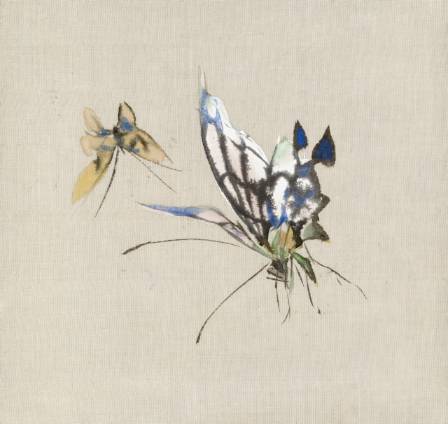
Ancient Beginnings: Egypt, 1350 BC
Let’s travel back to Thebes, Egypt, around 1350 BC. Here, a tomb painting of Nebamun hunting in the marshes provides one of the earliest examples of butterflies in art. In this scene, Nebamun sits in a boat with his wife and daughter, surrounded by the lush waters and abundant wildlife of the Nile. Among the myriad of birds and plants, a number of butterflies can be seen delicately scattered throughout the composition.
Renaissance Inspiration: Dosso Dossi, 1522-24
Fast-forward to the Renaissance, where Italian painter Dosso Dossi created Jupiter Painting Butterflies, Mercury and Virtue. Dossi, a court artist for the Este Dukes of Ferrara, often collaborated with his brother Battista, a former pupil of Raphael.
In this imaginative scene, the god Jupiter paints butterflies on a canvas, bringing them to life through his divine touch. Mercury gently hushes the allegorical figure of Virtue, emphasizing that the act of creative expression holds greater significance than mere moral perfection. Dossi portrays the ruler of Olympus as serene and playful, setting aside his thunderbolt to focus on the joy of creation, delighting in painting the fluttering wings of butterflies.
Surrealism: Salvador Dali, 1956
Jumping to 1956, Salvador Dali’s Untitled (Landscape with Butterflies) presents a surreal desert scene with two suspended butterflies. The insects appear motionless, almost frozen in time, as a strong light from the upper right casts long shadows across the sandy terrain and a nearby stone wall. The minimal, dreamlike landscape frames the butterflies, emphasizing their delicate presence and otherworldly quality.
Though details about this piece are scarce—likely part of a private collection—it remains popular online, widely reproduced as a poster due to its captivating surreal imagery.
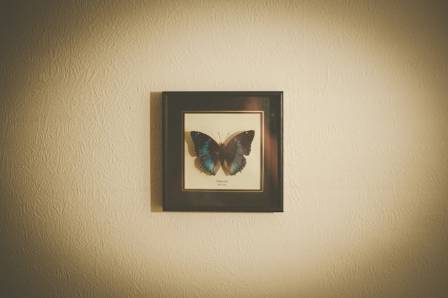
Contemporary Marvel: Damien Hirst, 2006
One of the most extraordinary modern examples is Damien Hirst’s I Am Become Death, Shatterer of Worlds from 2006, part of his Kaleidoscope series. Hirst explains that the butterflies symbolize spiritual themes: in Greek mythology, they represent Psyche and the soul, while in Christian iconography they signify resurrection.
This monumental piece measures roughly 7 x 17 feet and features over 2,700 real butterflies. Its title references J. Robert Oppenheimer’s chilling remark after the first atomic bomb detonation: “I am become death, the shatterer of worlds.” Hirst’s work fuses natural beauty with philosophical reflection, creating a visually stunning and deeply symbolic statement.
From the tombs of ancient Egypt to Renaissance whimsy, surrealist fantasy, and modern installations, butterflies have consistently inspired artists to explore beauty, transformation, and the fleeting nature of life. Their delicate wings continue to captivate the imagination across centuries.
यह भी पढ़ें

Eight Intriguing Insights Into the World of Semiconductors
Victoria Anne Kingsley
Crafting Lifelike Sculptures: A Beginner’s Guide to Needle Felted Animal Figurines
Brandon Nicholas Parker
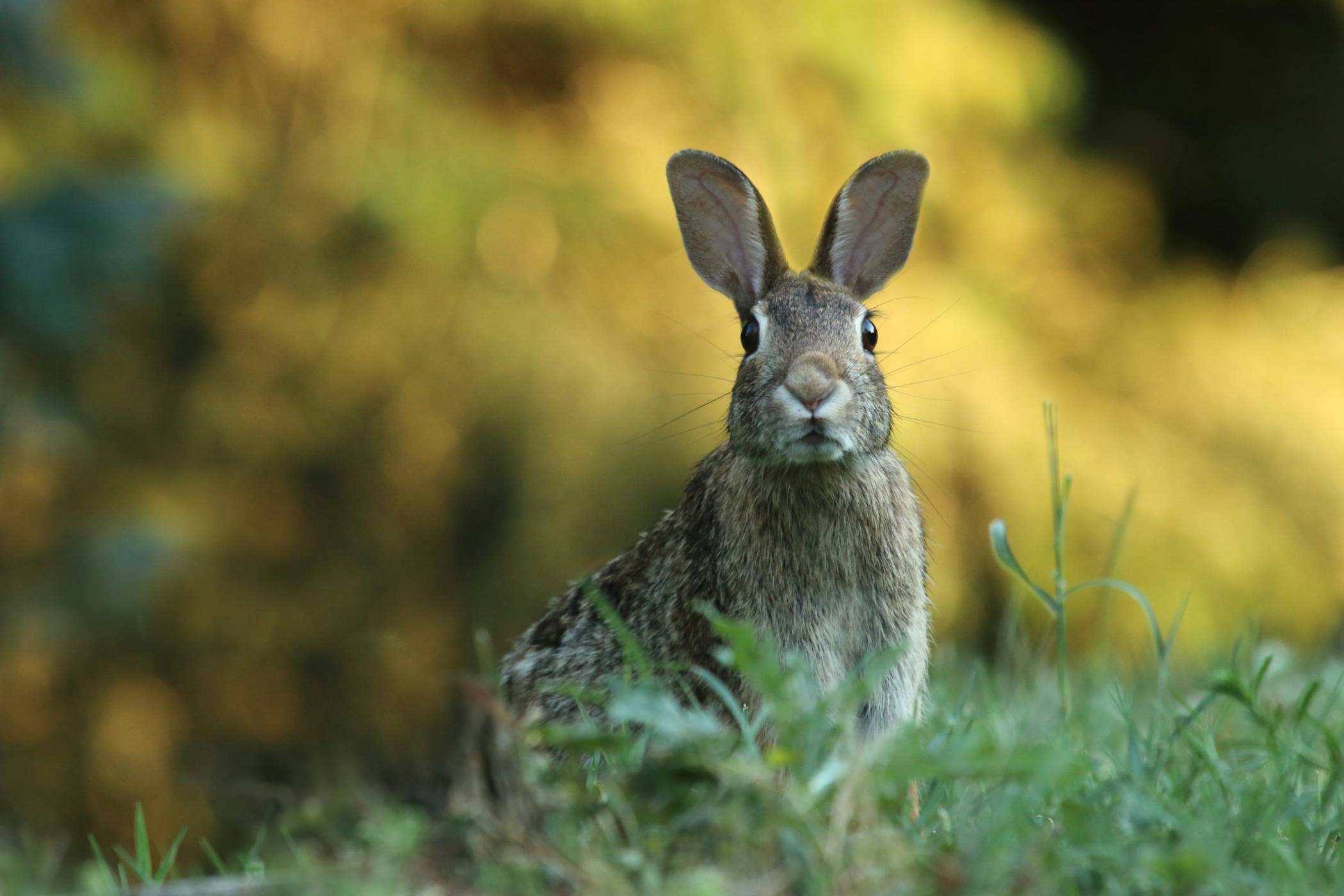
खरगोशों के बारे में तथ्य
निधि
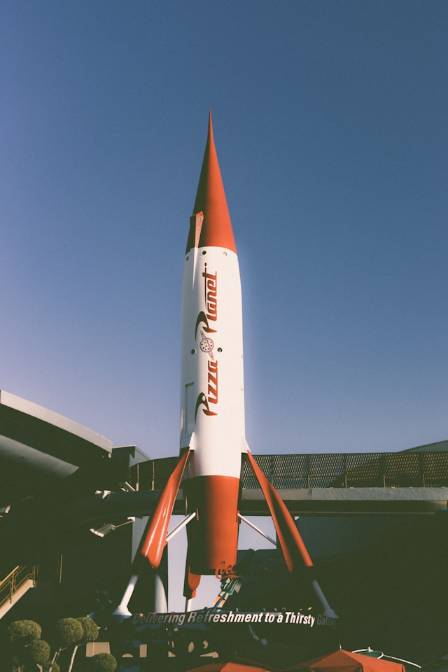
अंतरिक्ष यान का चित्रण करने के लिए मार्गदर्शिका: चरण-दर-चरण ड्राइंग ट्यूटोरियल
कविता कुमारी
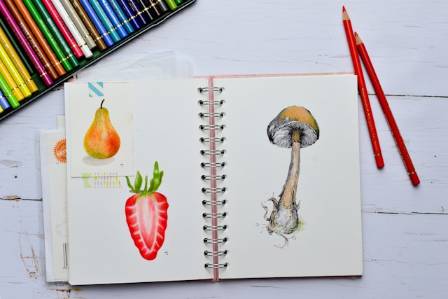
How to Draw a Mushroom
Hayden Frost
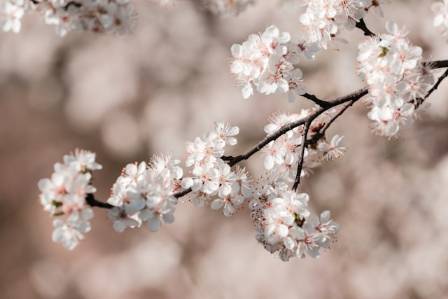
What are the characteristics of the latest plum blossom
Jamie Parker