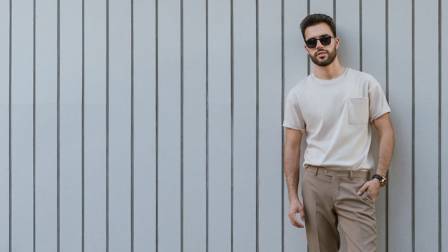
Smart casual remains one of the most elusive dress codes in men’s fashion—neither overly formal nor purely casual, it balances polish and comfort in a way that adapts to countless contexts. The Oxford Dictionary defines it as “neat, conventional, yet relatively informal in style,” but this vague description leaves plenty of room for interpretation. In 2025, the term has evolved beyond outdated rules, becoming a flexible framework that reflects personal style while respecting occasion norms. Unlike rigid dress codes of the past, modern smart casual is as much a mindset as a set of garments—prioritizing well-maintained pieces, intentional coordination, and a balance between refinement and relaxation. Whether you’re dressing for a work lunch, a weekend brunch, or a casual client meeting, mastering smart casual means understanding how to blend elevated basics with casual staples, adjust for context, and infuse personality without sacrificing polish.
What Is Smart Casual for Men, Really?
The confusion around smart casual stems from its lack of universal rules—what works for a creative startup in Brooklyn may feel out of place at a country club in London. At its core, smart casual sits between formal business attire (suits, ties) and casual wear (tracksuits, graphic tees), as Mr Porter succinctly puts it: “anything smarter than a tracksuit, but less formal than a suit.” Debrett’s Guide refines this further by distinguishing between “formal smart casual” (a blazer, chinos, collared shirt, and smart shoes) and “informal smart casual” (dark, clean jeans, polo shirts, and polished footwear). But perhaps the most useful way to think about it is as a spectrum: on one end, it leans into business casual (unstructured blazer, OCBD shirt, chinos); on the other, it embraces relaxed sophistication (tailored jeans, knit polo, suede boots). The key unifying thread is intentionality—smart casual never looks sloppy. A crisp white tee, dark selvedge jeans, and minimalist leather sneakers can qualify if they’re clean and well-fitted, while a wrinkled shirt and scuffed shoes will miss the mark regardless of the pieces. It’s about looking put-together without trying too hard, and adapting to the context while staying true to your style.
Core Principles to Master Smart Casual Style
Mastering smart casual doesn’t require a closet full of designer pieces—just a few key principles that guide your choices. First, prioritize attitude over strict rules: as Sir Hardy Amies notes, “Smartness is more a matter of the appearance of your clothes than their style.” This means polished shoes, pressed trousers, and well-fitted garments—even casual pieces like tees or jeans need to be clean and wrinkle-free. Second, use the “one-two swap” technique: start with a casual outfit (e.g., bomber jacket, tee, jeans, trainers) and swap one or two pieces for smarter alternatives. Swap the bomber for an unstructured blazer and trainers for loafers, and you’re instantly in smart casual territory. Third, leverage color and texture to adjust formality: darker hues (navy, charcoal, indigo) skew more polished, while lighter shades (beige, stone, pastels) feel relaxed. Textured fabrics like flannel, tweed, or suede add casual warmth, while smooth materials like cotton poplin or leather elevate the look. Fourth, balance “rough” and “smooth” elements: pair a structured blazer (smooth) with textured chinos (rough) or a knit sweater (soft) with tailored trousers (sharp) to create visual harmony. Finally, pay attention to fit—slim (not tight) silhouettes keep casual pieces looking intentional, while baggy or ill-fitting garments undermine even the most carefully chosen outfit.
5 Essential Smart Casual Staples for Every Wardrobe
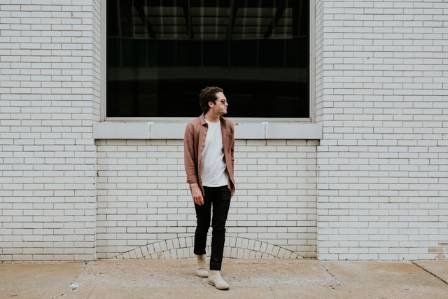
Building a versatile smart casual wardrobe starts with investing in high-quality, multi-purpose pieces that work across contexts. An unstructured blazer is non-negotiable—look for textured fabrics (linen, cotton, or lightweight wool), a shorter length, and minimal padding for a relaxed yet polished vibe. It pairs equally well with chinos for work and jeans for weekends. A “blazer bomber” is a modern alternative: slimmer than a traditional MA-1, in dark wool or cotton, it adds military-inspired edge without feeling too formal. A chambray shirt is another staple—its denim-like appearance casualizes smart outfits and elevates casual ones, making it perfect for layering under blazers or wearing alone with chinos. Dark, undistressed jeans (indigo or black selvedge) are a flexible foundation—they’re dressy enough for casual offices and relaxed enough for brunch, especially when paired with a polo or collared shirt. Finally, a pair of Derbies or suede chukka boots completes the look: Derbies offer a slightly more fashionable alternative to Oxfords, while chukkas add casual texture—both are versatile enough to pair with jeans, chinos, or tailored trousers.
Smart Casual Dos and Don’ts
Navigating smart casual’s gray areas is easier with a few guiding dos and don’ts. Do cover your bases: stick to non-trainer shoes and non-jean trousers (chinos, flannels) to avoid most pitfalls, and add a blazer for extra polish. Do lose the tie—outside of formal smart casual events, ties feel overdone; opt for a roll neck, polo, or open-collar shirt instead (but keep a tie handy for job interviews or formal smart casual occasions). Do embrace patterns (subtle stripes, checks, or textures) to add personality without looking sloppy, and keep fits tailored—casual doesn’t mean baggy. Do use layering to adjust formality: a lightweight knit over a tee or a blazer over a sweater adds depth and versatility. Don’t wear short sleeves or shorts unless the occasion explicitly allows it—they skew too casual for most smart casual settings. Don’t overdo logos or slogans on tees—plain, high-quality options are far more polished. Don’t wear overly tight clothes—there’s a difference between fitted and clingy, and the latter looks unprofessional. Don’t forget footwear: scuffed shoes or overly athletic trainers can ruin an otherwise great outfit; opt for polished leather, suede, or minimalist sneakers. Don’t neglect details—rolled sleeves, a woven belt, or a sports watch with a NATO strap add subtle flair without being distracting.
The Evolution of Smart Casual
The origins of smart casual are as nebulous as its definition, with the first recorded usage dating back to a 1924 Iowa newspaper (referring to sleeveless dresses, a far cry from modern men’s style). The term gained mainstream traction in the 1980s as traditional dress codes relaxed, serving as a middle ground between formal office wear and the growing casualization of everyday life. As Josh Sims, author of Men of Style, explains: “Smart casual suggests a transitional period between dressing up and dressing down, as men sought comfort and self-expression without abandoning polish.” It emerged as a response to societal shifts—office environments became more relaxed, restaurants and events moved away from strict formalwear, and men wanted a style that worked across work and leisure. Today, smart casual continues to evolve, with minimalist brands and unstructured tailoring making it easier to achieve a polished yet comfortable look. The rise of remote work has further blurred lines, with men seeking pieces that transition from Zoom calls to in-person meetings, but the core ethos remains the same: intentional, refined, and adaptable.
Conclusion

Smart casual is the ultimate test of sartorial intuition—balancing polish and relaxation, tradition and personal style, context and individuality. In 2025, it’s less about following rigid rules and more about understanding the principles of intentional dressing: well-maintained pieces, tailored fits, and a balance between elevated basics and casual staples. Whether you’re wearing an unstructured blazer with jeans or a knit polo with chinos, the key is to look put-together without feeling constrained. By investing in versatile staples, leveraging color and texture, and adapting to the occasion, you can master smart casual and create looks that work for work, weekends, and everything in between. Remember: the best smart casual outfits feel effortless—they reflect who you are while respecting where you are, proving that style doesn’t have to be complicated to be sophisticated.