विशेष लेख
Top 8 Benefits of Yoga
If you’ve rolled out your mat and stretched into a pose today, chances are you already feel calmer. Whether you’re a complete beginner or a seasoned practitioner, consistent yoga practice can make you feel stronger, lighter, and more centered. What’s more, yoga isn’t just about bending and stretching—it’s a holistic tool that can support both body and mind, and even complement medical treatments during recovery or chronic illness.
Lily
लेखक
लेख परिचय
नीचे पूरा लेख पढ़ें।
अनुभाग
समाचार

If you’ve rolled out your mat and stretched into a pose today, chances are you already feel calmer. Whether you’re a complete beginner or a seasoned practitioner, consistent yoga practice can make you feel stronger, lighter, and more centered. What’s more, yoga isn’t just about bending and stretching—it’s a holistic tool that can support both body and mind, and even complement medical treatments during recovery or chronic illness.
Builds Strength, Stability, and Flexibility
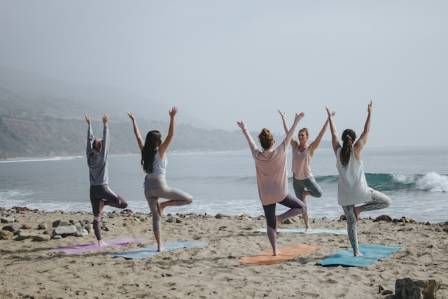
Yoga combines slow, controlled movement with mindful breathing. This boosts circulation, warms up the muscles, and creates strength when poses are held for longer periods. Balancing postures, such as Tree Pose, also enhance stability while encouraging concentration.
Supports Back Health
Lower back pain is one of the most common complaints worldwide. Studies show that yoga is as effective as traditional stretching when it comes to reducing pain and improving movement. In fact, the American College of Physicians lists yoga as a recommended first-line approach for chronic back discomfort.
Eases Arthritis Discomfort
For people with swollen or tender joints, gentle yoga can make a noticeable difference. A review by Johns Hopkins examining multiple studies concluded that yoga helped reduce some of the stiffness and discomfort caused by arthritis.
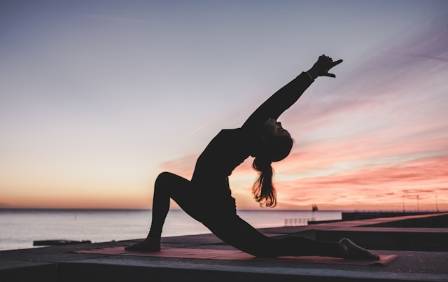
Protects Heart Health
By lowering stress and reducing inflammation in the body, yoga indirectly supports cardiovascular wellness. It can also help with risk factors like high blood pressure and excess weight. Postures such as Downward Dog engage large muscle groups, improving circulation while calming the mind.
Improves Sleep Quality
Adding yoga into your nighttime routine can prepare your body and brain for rest. Research suggests that regular practice makes it easier to fall asleep and stay asleep through the night. Simple positions like Legs-Up-the-Wall help the body unwind and shift into relaxation mode.
Boosts Energy and Mood
After a session on the mat, many people report feeling more alert, enthusiastic, and upbeat. Regular practice not only lifts physical vitality but also encourages emotional balance, helping to chase away negativity.
Reduces Stress and Encourages Mindfulness
Yoga is more than exercise—it’s a mental reset button. According to the National Institutes of Health, yoga has been scientifically shown to aid in stress relief, healthy eating habits, weight management, improved sleep, and mental clarity. Poses like Savasana, where you lie still and breathe deeply, act as a moving meditation for the mind.
Builds Community and Connection
Joining yoga classes provides more than physical practice—it fosters belonging. Practicing alongside others creates a shared energy that can help ease feelings of isolation. Even one-on-one sessions can offer personalized care and a sense of being truly seen and heard.
Conclusion
Yoga isn’t just a workout—it’s a pathway to balance, resilience, and joy. From building muscle and easing joint pain to reducing stress and nurturing the heart, its benefits are wide-reaching and well-supported by research. Whether practiced solo at home or in a group setting, yoga offers tools to enhance both mental and physical health. So, the next time you step onto your mat, remember: you’re not only stretching your body—you’re strengthening your well-being.
यह भी पढ़ें

Choosing the Ideal Bedside Table Lamps
Adrian Kate

Crafting Refreshing Mangosteen Infusions: A Guide to Santol-ade
Landon Pierce

यू.एस. में 3 सबसे खूबसूरत हाइक
ग्रेसन हावर क्यूरिन

Best Vintage Standing Desks for a Thoughtful Space
Ava Reynolds

A Professional Manual for Women's Business Suits
Nathaniel Scott Palmer

8 Stunning Coastal Cities That Blend History and Beach Vibes
Alexander