विशेष लेख
Choosing Coffee Beans
If you are a casual coffee drinker like me, choosing the right coffee beans for making coffee at home can feel overwhelming. With countless brands, roasting styles, and different types of beans available, it can be difficult to know where to begin.
Carter Lewis
लेखक
लेख परिचय
नीचे पूरा लेख पढ़ें।
अनुभाग
समाचार
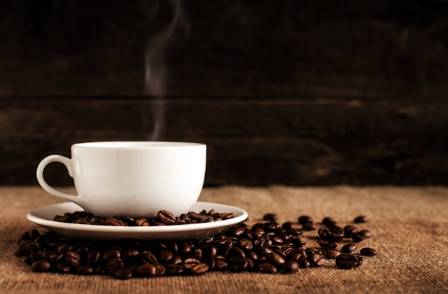
If you are a casual coffee drinker like me, choosing the right coffee beans for making coffee at home can feel overwhelming. With countless brands, roasting styles, and different types of beans available, it can be difficult to know where to begin.
To better understand the basics of choosing coffee, I asked my friends Joe Speicher and Mark Wickens from Ground to Grounds, an online coffee publication, to share their knowledge and help me figure out how to find the best coffee beans for my personal taste.
Step 1: Understand Your Coffee Preferences
There are two main types of commercially available coffee beans: Arabica and Robusta.
Arabica beans are typically grown at higher elevations and are known for their smoother flavor and mild acidity. Robusta beans are usually grown in lower areas and are recognized for their stronger taste, higher bitterness, and heavier body.
Many people consider Arabica to be a higher-quality bean, but the final quality depends heavily on factors such as growing conditions, harvesting methods, processing, and roasting. Simply choosing Arabica does not automatically guarantee excellent coffee.
Unless you are planning to become a serious coffee expert, the most important thing is not focusing too much on the bean type. Instead, look for a reliable coffee brand or local roaster that uses quality beans and matches your preferred flavor and caffeine needs.
How to Figure Out What Coffee You Enjoy
Flavor Preferences
Like many coffee drinkers, I want my first cup of the day to taste consistently great. Finding your ideal coffee usually requires some experimentation.
A simple way to begin is to think about whether you enjoy the coffee served at places like Starbucks. If you do not enjoy that style of coffee, you may prefer lighter roasted beans. These beans usually have a lighter color and a dry surface, offering a smoother flavor with different levels of acidity depending on the roasting process.
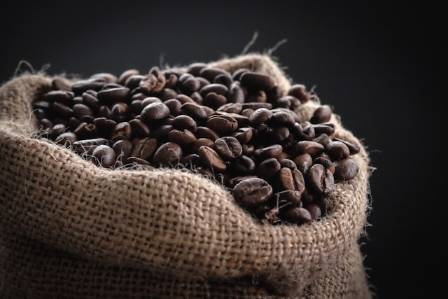
If you enjoy Starbucks-style coffee, you may prefer darker roasted beans. Longer roasting brings more natural oils to the surface, creating a darker, shinier appearance and producing a stronger, richer, and more bitter flavor.
Once you know whether you prefer lighter or darker roasts, you can explore the many flavor differences within those categories and gradually discover your favorite coffee.
Caffeine Levels
Many people assume that darker roasted coffee contains more caffeine, but the opposite is actually true.
Light roast coffee generally contains slightly more caffeine than medium and dark roasts. Espresso beans are usually found around the medium roast range, so if your goal is to get a stronger caffeine boost, a medium-light roast may be a better choice.
Medium-dark and dark roasts usually provide a less intense caffeine effect.
Step 2: Choose Between Ground Coffee and Whole Beans
When buying coffee, you may choose between pre-ground coffee and whole beans. If you are comparing lighter and darker roasts, the texture of ground coffee can also reveal differences when the color is difficult to judge.
Dark roasted beans tend to produce grounds that are oily and stick together in small clumps. Lighter roasted beans create drier grounds that flow more freely, similar to sand, when poured.
For the freshest flavor possible, whole beans are the best option. Coffee tastes best when the beans are ground immediately before brewing, whether you are making espresso or drip coffee.
However, no matter whether you choose whole beans or ground coffee, freshness is extremely important. Ideally, the coffee should not have been sitting on a store shelf for too long before you buy it.
A good place to start is by asking for the shop’s best-selling coffee. Popular choices are usually restocked more frequently, meaning they are more likely to be fresh.
Final Thoughts
A big thank you goes to Joe and Mark from Ground to Grounds for sharing their coffee knowledge and helping me better understand how to choose beans for my morning coffee.
The best way to find your perfect coffee is to explore different local roasters, try different roasting styles, and pay attention to what flavors you enjoy most.
Start experimenting, taste along the way, and eventually you will discover the coffee that is perfect for you.
यह भी पढ़ें

Expert Techniques for Deer Portraits: A Comprehensive Guide to Wildlife Art
Matthew Taylor

Surfing Culture: Techniques, History, and Impact
Clara Mitchell

9 Fascinating Facts About Blue-Footed Boobies
Hannah Price

सिएटल स्पेस नीडल के बारे में 12 हैरान करने वाले फैक्ट्स
पार्थ
9 सबसे सुंदर हिरण प्रजातियाँ
विक्टोरिया

Real-Life 'Mecha' Robot
Stella Morgan